













Dubai, UAE: Tourists Face Growing Uncertainty and Anxiety as Gulf Conflict Escalates – What You Need to Know
-
Travel, Food, Entertainment, Culture, Weather
-
-
4 mins
-
Travel and Tour World
-
Swagata Dey
-


As Gulf tensions rise, British and international tourists face uncertainty in Dubai, with missile strikes, flight cancellations, and hotel stays covered by authorities.
Dubai, a glittering tourism hub in the UAE, has seen an unexpected shift from leisure and luxury to uncertainty as tourists find themselves stranded due to escalating tensions in the Gulf. What was meant to be a relaxing getaway for British nationals Alison and Gul Woodward, along with many others, quickly turned into a nerve-wracking experience as missiles flew over Dubai and airstrikes affected key Middle Eastern airports. The unexpected escalation began with US and Israeli airstrikes on Iran, triggering retaliatory actions by Iran that have now disrupted air travel, leaving thousands of tourists uncertain about their plans.
The Unforeseen Crisis in Dubai
Alison and Gul, both 70 years old, arrived in Dubai for a vacation, expecting sunny weather and a peaceful celebration. However, within days, they were caught in an unfolding conflict that saw missiles and drones intercepting the skies above the city. As reports of Iranian missile strikes on UAE soil emerged, the region’s airspace was closed, leaving travelers stranded and flights grounded. Alison, reflecting on the anxiety of the situation, described the missile interception and explosions as a deeply unsettling experience.
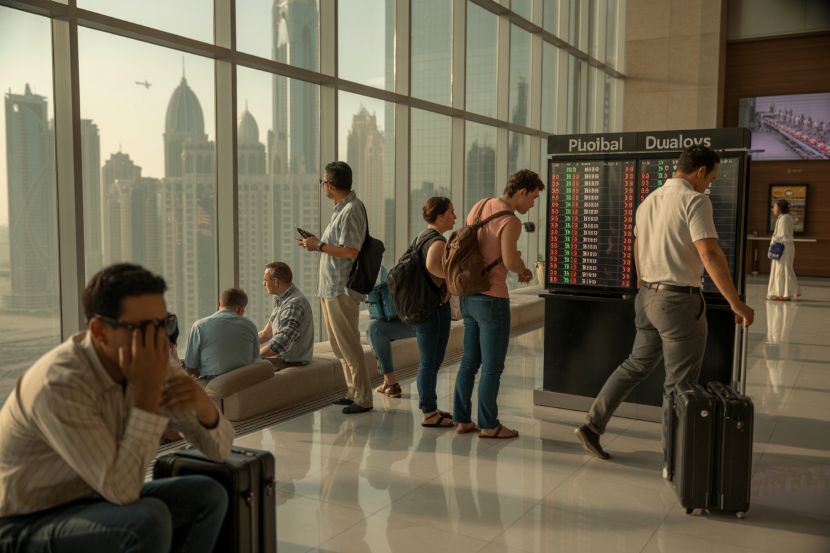
Despite staying with family, many other tourists have been confined to hotels, their holidays turned into a prolonged waiting game. With the closure of Dubai International Airport and air traffic in the region severely disrupted, passengers are left uncertain about when they can safely fly home.
Impact on International Travel: Missiles, Cancellations, and Delays
As the conflict escalates, Dubai’s status as a global business hub and tourist destination is facing unprecedented challenges. The disruption in air travel, particularly following missile attacks on key infrastructure, has grounded numerous flights, including those operated by Emirates and other international carriers. Several Gulf states have closed their airspace, with Iran launching missile and drone attacks targeting both military and civilian facilities in the UAE, Saudi Arabia, and Bahrain.
Dubai International Airport, one of the busiest airports in the world, has been partially closed following an Iranian missile strike, with at least four people reported injured. Authorities have managed to minimize casualties through missile interception systems, but the damage to the airport and surrounding areas has been significant.
Tourists from various parts of the world, including the UK and the US, have been affected by these closures. The disruption has led to long delays in flight schedules and considerable uncertainty about when operations will resume. The UAE government, however, has reassured travelers that accommodation and essential services for stranded tourists would be covered, though the situation remains tense.
How Tourists Are Coping with the Uncertainty
The uncertainty of not knowing when they will be able to return home is taking its toll on many tourists. For American tourists who had been enjoying a short holiday, witnessing missile interceptions from their hotel was an experience they described as surreal and terrifying. The constant explosions, air alerts, and rocket intercepts have made an already stressful situation worse, especially for families traveling with young children. For tourists like these, the sense of fear is compounded by the constant uncertainty about their safety and travel arrangements.
For travelers like David, a British national living in Portugal, the experience has been unsettling but manageable. David, who works for the Emirates Nuclear Energy Corporation, was en route to a conference in Brussels when the strikes disrupted his journey. Despite being stranded at a hotel in Abu Dhabi, David was impressed with how quickly the authorities organized accommodation and travel alternatives. Though his business plans have been put on hold, he remains calm and is focusing on the support provided by local authorities.
The UAE’s Response to the Crisis
In response to the crisis, the UAE government has implemented measures to ensure the safety of its residents and tourists. The Department of Culture and Tourism in Abu Dhabi confirmed that the government would cover accommodation costs for affected tourists, minimizing the financial burden on stranded visitors. The General Civil Aviation Authority (GCAA) reported that it had managed the rescheduling of flights for more than 20,000 affected passengers, working to restore order to the region’s travel network.
For those still in Dubai, the UAE has issued guidelines advising people to stay indoors and avoid large public gatherings. Sheltering from windows is also recommended, given the risk posed by further missile attacks. Tourists are encouraged to monitor local news and the UAE Ministry of Foreign Affairs for updates on the ongoing situation and any changes to safety protocols.
Travel Tips for Stranded Tourists in Dubai
- Stay in Contact with Airlines and Hotels: Ensure you have the latest information on flight schedules and hotel arrangements. Many airlines are offering rebooking options, and hotels are coordinating with the authorities to assist affected tourists.
- Keep Travel Documents Accessible: As travel resumes, ensure your passport and travel documents are easily accessible for rebooking flights or moving through security.
- Be Prepared for Extended Stays: Given the uncertainty of when flights will resume, tourists should prepare for the possibility of staying in Dubai for an extended period. Make arrangements for food, accommodations, and entertainment during your stay.
- Follow Local Authorities’ Advice: Regularly check local news and government advisories. Sheltering indoors is the safest option during periods of missile strikes, and staying informed about evacuation plans is crucial.
- Travel Insurance: If you haven’t already, check if your travel insurance covers disruptions caused by political or security events. Many travelers are finding peace of mind knowing they can access support during this crisis.
Key Points for Affected Passengers:
- Air Travel Disruptions: Dubai’s international airport has been affected by missile strikes, resulting in flight cancellations and long delays.
- UAE Government Support: The UAE government has assured that it will cover accommodation costs for tourists impacted by the disruptions.
- Stay Informed: Travelers are encouraged to follow the latest updates from airlines, government agencies, and local news.
- Travel Alternatives: Stranded passengers should explore alternative flights or nearby airports for onward travel.
- Emotional Impact: Many travelers are coping with anxiety and uncertainty but are being supported by both government and tourism services.
Conclusion: Navigating a Travel Crisis in Dubai
The unfolding conflict in the Gulf has left many tourists stranded in Dubai, unsure of when they will be able to return home. While the situation remains tense, the UAE authorities have taken swift action to support tourists by providing accommodation and rebooking options. Travelers should remain flexible, stay informed, and prioritize their safety while awaiting the resolution of the crisis. For many, the experience is a reminder of how quickly geopolitical tensions can disrupt the lives of ordinary travelers.
The post Dubai, UAE: Tourists Face Growing Uncertainty and Anxiety as Gulf Conflict Escalates – What You Need to Know appeared first on Travel and Tour World