













In Vietnam, Lào Cai’s Tranquil Villages Draw Travelers for Authentic Tết Holiday Experience, Homestays Fill Up
-
Travel, Food, Culture
-
-
3 mins
-
Travel and Tour World
-
Abhirup Gan
-


Lào Cai’s homestays see a surge in bookings for the 2026 Tết holiday as travelers flock to the tranquil villages for a unique and authentic cultural experience.
As the 2026 Lunar New Year, or Tết, approaches, the villages of Lào Cai Province, located in the misty mountains of northwest Vietnam, have become a popular haven for travelers seeking a peaceful and authentic celebration away from the bustling city life. Renowned for its scenic landscapes, rich ethnic traditions, and vibrant local culture, Lào Cai has seen a dramatic rise in visitors who are eager to experience the charm of rural life during Vietnam’s most important holiday.
The mountainous province, home to some of Vietnam’s best-known destinations, such as Sa Pa, Tả Van, Bắc Hà, Y Tý, Tú Lệ, and Mù Căng Chải, has been transformed into a magnet for tourists this holiday season. With a mix of fragrant mountain cuisine, unique cultural customs, and awe-inspiring landscapes, these areas are perfect for those seeking an off-the-beaten-path experience to welcome the new year.
Tourism Growth
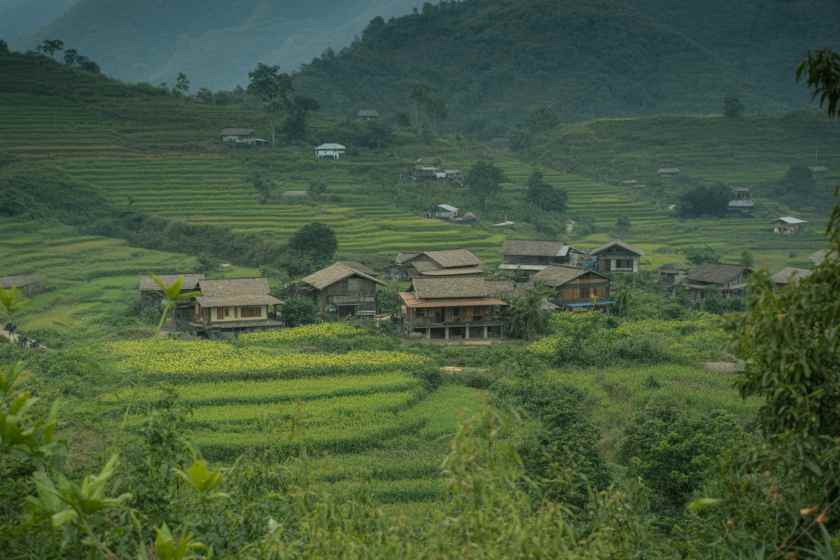
Tả Van, one of Lào Cai’s most picturesque villages, offers an idyllic setting for visitors. The village is set against a backdrop of rolling terraced fields, with narrow trekking paths leading through stilt houses and fields. The cool, crisp air and light spring rain that marks the early days of the year enhance the charm of the village, making it an inviting place for slow travel. Travelers here can enjoy leisurely walks, engage in meaningful cultural exchanges, and savor the beauty of rural Vietnam.
During the Tết holiday, homestays in these villages have filled up quickly, with hundreds of thousands of visitors choosing to stay with local families in traditional homes. The homestay experience allows visitors to immerse themselves fully in the local culture, enjoying home-cooked meals made from fresh, locally sourced ingredients while participating in customs that have been passed down through generations.
In Tả Van Giáy Village, Charlotte, a tourist from France, spent nearly a week with her friends, relishing the peaceful ambiance of the village and the warm hospitality of the locals. Charlotte shared her delight in experiencing a side of Vietnam far removed from the typical tourist hotspots. She fondly remembered the leisurely walks through the village, interacting with the locals, and learning about the traditions and daily lives of the people in the area. Her experience encapsulates the growing desire for authentic, intimate travel experiences during Tết, as more and more people seek to connect with nature and local communities.
Lào Cai’s Tourism Development
Lào Cai’s reputation for tranquility, combined with its proximity to some of Vietnam’s most stunning natural scenery, makes it an ideal destination for those looking to escape the frenetic pace of urban life. The province’s remote villages, including Sa Pa and Y Tý, are popular among trekkers and nature lovers. Sa Pa’s famous terraced rice fields and stunning views of Mount Fansipan, Vietnam’s highest peak, attract both adventure seekers and photographers, while Y Tý offers unique experiences with its fog-covered valleys and vibrant cultural heritage.
During the Tết holiday, the demand for homestay accommodations in these areas surged as tourists sought the personal touch of staying with local families. The homestay experience in Lào Cai allows travelers to not only enjoy the natural beauty of the region but also to engage in cultural exchanges that offer insights into the daily lives and traditions of the local ethnic minorities, such as the H’mong, Giáy, and Tay people.
Aside from the natural beauty and cultural richness, Lào Cai’s culinary offerings are another highlight. Visitors can indulge in mountain specialties like thang co (a traditional soup made from meat, herbs, and vegetables), sticky rice, and grilled meats, often prepared using recipes passed down through generations. The food in Lào Cai reflects the flavors and traditions of the region, making every meal an experience in itself.
For those looking to explore beyond the villages, the surrounding landscapes offer a wealth of opportunities for adventure. From trekking and hiking in the highlands to visiting the local markets in Bắc Hà and Mù Căng Chải, travelers can immerse themselves in the natural beauty of Lào Cai while experiencing the vibrant culture of the region.
As more and more travelers turn to off-the-beaten-path destinations to celebrate Tết, Lào Cai’s homestays and rural villages offer a unique way to experience Vietnam’s rich cultural traditions in a relaxed and authentic setting. The homestay model, which has gained popularity in recent years, not only benefits tourists seeking a more intimate experience but also supports local communities by providing an additional source of income and promoting cultural preservation.
Conclusion
For the 2026 Tết holiday, it’s clear that Lào Cai has become a top destination for those looking to step away from the traditional, commercialised New Year celebrations and immerse themselves in the natural beauty and cultural depth of rural Vietnam. Whether it’s through exploring the terraced fields of Tả Van, enjoying the local cuisine, or spending time with the welcoming communities, Lào Cai offers an experience that is as authentic as it is unforgettable.
The post In Vietnam, Lào Cai’s Tranquil Villages Draw Travelers for Authentic Tết Holiday Experience, Homestays Fill Up appeared first on Travel and Tour World