









Kykkos Monastery: A Spiritual and Cultural Landmark of Cyprus
-
Travel, Culture, Weather, Religion
-
-
4 mins
-
Travel and Tour World
-
Akash Bagchi
-

Discover Kykkos Monastery in Cyprus, a historic Byzantine monastery in the Troodos Mountains known for religious heritage, art, architecture, and its importance in global cultural tourism.
Where Faith Meets the Mountains: A Special Introduction
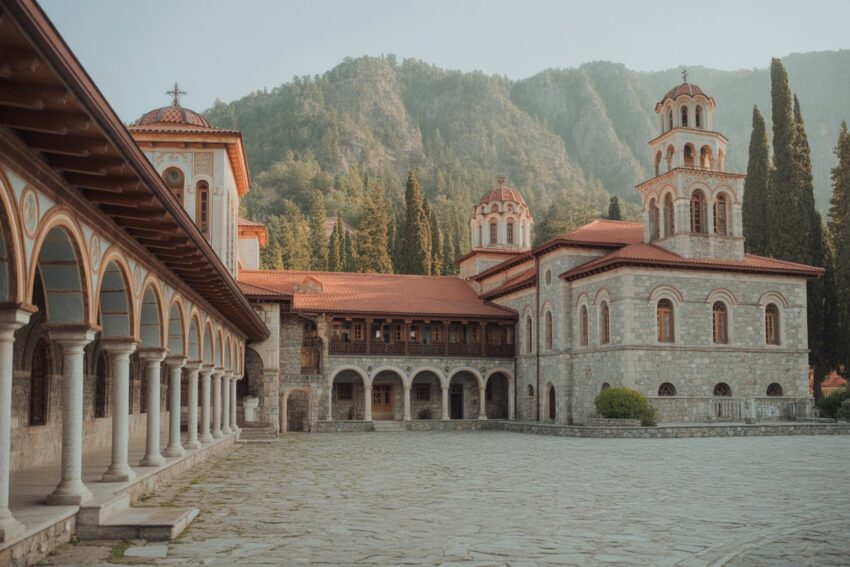
Kykkos Monastery stands as one of the most revered and influential religious landmarks in Cyprus. Nestled high in the Troodos Mountains, this historic monastery represents centuries of spiritual devotion, artistic expression, and cultural continuity. Known for its grandeur, rich interior decoration, and sacred relics, Kykkos Monastery is not only a place of worship but also a symbol of Cypriot identity. Its mountain setting, combined with deep religious significance, makes it a cornerstone of cultural and pilgrimage tourism on the island.
Historical Background and Religious Significance
Kykkos Monastery, officially known as the Monastery of Panagia tou Kykkou, was founded in the late 11th century during the Byzantine period. According to tradition, the monastery was established under the patronage of the Byzantine Emperor Alexios I Komnenos. Central to its foundation is a revered icon of the Virgin Mary, believed to have been painted by Saint Luke the Evangelist.
Throughout its history, Kykkos Monastery endured fires, reconstructions, and political change. Despite these challenges, it remained one of the wealthiest and most influential monasteries in Cyprus. The monastery played a significant role in preserving Orthodox Christianity, education, and Greek cultural identity during periods of foreign rule.
Kykkos Monastery is also historically connected to Archbishop Makarios III, the first President of the Republic of Cyprus, who began his religious life there. This connection further enhances the monastery’s national and historical importance.
Geographical Location in the Troodos Mountains
Kykkos Monastery is located in the western part of the Troodos Mountains, at an elevation of approximately 1,300 meters. Surrounded by dense forests and mountainous terrain, the monastery enjoys a dramatic and serene setting.
The remote location contributes to its spiritual atmosphere, offering panoramic views of forested slopes and distant valleys. The cooler mountain climate contrasts sharply with coastal Cyprus, making Kykkos Monastery both a religious destination and a refreshing retreat for visitors.
Importance of Kykkos Monastery in Global Tourism
Kykkos Monastery holds a prominent position in global cultural and religious tourism. It attracts pilgrims, historians, art enthusiasts, and travelers seeking insight into Eastern Orthodox traditions and Byzantine heritage.
As one of the most famous monasteries in the Eastern Mediterranean, Kykkos strengthens Cyprus’s international reputation as a destination rich in spiritual and historical depth. The monastery contributes to sustainable tourism by encouraging year-round visitation and supporting cultural preservation within the Troodos region.
Its influence extends beyond religious travel, appealing to visitors interested in architecture, history, and mountain landscapes.
Architectural Features and Artistic Heritage
Monastic Complex and Layout
The monastery complex is organized around a central courtyard, surrounded by buildings that house chapels, living quarters, libraries, and reception areas. The architectural style reflects Byzantine traditions combined with later influences from reconstruction periods.
Iconography and Mosaics
Kykkos Monastery is renowned for its elaborate mosaics and religious iconography. Walls and corridors are adorned with detailed biblical scenes, saints, and symbolic imagery that demonstrate exceptional craftsmanship.
The Sacred Icon of the Virgin Mary
The most treasured object within the monastery is the icon of the Virgin Mary, traditionally attributed to Saint Luke. The icon is partially covered, in keeping with long-standing religious customs, and remains a focal point of pilgrimage and devotion.
Museum and Cultural Collections
Kykkos Monastery houses a well-curated museum displaying religious artifacts, manuscripts, vestments, and icons. These collections offer insight into the monastery’s historical role and the broader evolution of Orthodox Christianity in Cyprus.
The museum enhances the visitor experience by providing historical context and preserving invaluable religious heritage for future generations.
Role in Cypriot Society and Spiritual Life
Kykkos Monastery has long served as a spiritual center for Cyprus. Beyond religious worship, it supported education, charitable activities, and cultural initiatives throughout its history.
The monastery continues to host religious ceremonies, feast days, and pilgrimages, maintaining its active role in contemporary spiritual life. Its influence reaches across generations, reinforcing traditions that remain central to Cypriot culture.
How to Reach Kykkos Monastery
By Air
Kykkos Monastery is accessible from both Paphos International Airport and Larnaca International Airport. Travel times range from one and a half to two hours by road.
By Road
Well-maintained mountain roads connect the monastery to major cities and villages in the Troodos region. The drive offers scenic views and winding routes through forested landscapes.
Public Transportation
Public transportation options are limited, with infrequent bus services to nearby villages. Most visitors reach Kykkos Monastery by private vehicle or organized tour.
Guided Tours
Guided tours are widely available and often combine Kykkos Monastery with other Troodos attractions, providing historical and cultural interpretation.
Who Can Visit Kykkos Monastery
Kykkos Monastery is open to a wide range of visitors, including pilgrims, cultural travelers, families, and history enthusiasts. A modest dress is required, reflecting its religious nature.
The site is generally accessible, though some areas involve steps and uneven surfaces. Visitors are encouraged to respect religious practices and maintain appropriate behavior within the monastery grounds.
Best Time to Visit Kykkos Monastery
Spring Season
Spring offers mild temperatures and lush mountain scenery, making it an ideal time to visit. The surrounding forests enhance the monastery’s visual appeal.
Summer Season
Summer provides relief from coastal heat due to the monastery’s elevation. It is a popular season for both tourists and pilgrims.
Autumn Season
Autumn brings cooler air, fewer crowds, and rich natural colors. It is well-suited for quiet exploration and photography.
Winter Season
Winter offers a peaceful atmosphere, with occasional snowfall adding dramatic beauty. Visitors should check road conditions before traveling.
Cultural Etiquette and Visitor Experience
Visitors are expected to dress conservatively, avoid loud behavior, and respect restricted areas. Photography may be limited inside certain sections of the monastery.
The peaceful environment encourages reflection and appreciation of the monastery’s spiritual and cultural significance.
Conclusion: Kykkos Monastery as a Living Symbol of Faith
Kykkos Monastery stands as a living symbol of faith, resilience, and cultural continuity in Cyprus. Its rich history, artistic treasures, and mountain setting combine to create a deeply meaningful destination. As global tourism continues to embrace cultural authenticity and spiritual heritage, Kykkos Monastery remains one of the island’s most profound and enduring landmarks, offering visitors insight into the soul of Cyprus.
The post Kykkos Monastery: A Spiritual and Cultural Landmark of Cyprus appeared first on Travel and Tour World