








Sri Lanka’s Tourism Future: How Kandy, Sigiriya, and Yala National Park Can Drive Economic Growth Through Sustainable Practices, Here’s What to Know
-
Travel, Health, Culture
-
-
4 mins
-
Travel and Tour World
-
Ankita Neogi Khan
-

Sri Lanka’s tourism sector needs a fresh perspective on leveraging its natural assets for economic growth, says former UNEP chief Eric Solheim.
Sri Lanka, renowned for its breathtaking landscapes, rich cultural heritage, and pristine beaches, has long been a magnet for tourists. However, according to Eric Solheim, former Executive Director of the United Nations Environment Programme (UNEP), relying solely on mass tourism will not be enough to propel the island nation’s economy forward. Solheim emphasizes the need for a strategic shift in how Sri Lanka markets and monetizes its environmental and cultural treasures. By focusing on premium pricing and embracing sustainable tourism practices, Sri Lanka could tap into a wealth of opportunities, attracting discerning travelers while preserving its natural wonders.
A Call for Sustainable Tourism Practices
Mass tourism has its merits, particularly in terms of job creation. However, for Sri Lanka’s tourism industry to evolve into a long-term economic powerhouse, Solheim argues that the island must shift its focus from merely attracting large numbers of visitors to offering exclusive experiences that highlight the country’s unique environmental assets.
The tourism sector, although significant in job creation, has yet to fully capitalize on Sri Lanka’s diverse natural beauty and cultural heritage. From the serene beaches of Mirissa and Unawatuna to the lush tea plantations of Kandy and the ancient ruins of Anuradhapura, Sri Lanka offers a wealth of untapped potential. Yet, despite the abundance of these attractions, the nation has not managed to position itself as a premium destination, which could help drive higher revenues.
The Potential for Premium Tourism
Solheim’s vision for Sri Lanka’s future in tourism revolves around premium pricing strategies that reflect the true value of its natural and cultural resources. The goal is to attract affluent tourists who are willing to pay a premium for unique, immersive, and environmentally responsible experiences. By offering high-end eco-tourism and cultural tourism experiences, Sri Lanka could set itself apart from more mass-market destinations in the region.
Examples of potential high-value offerings include guided tours through Sri Lanka’s national parks, wildlife safaris in Yala National Park, or curated trips to the Sacred City of Kandy. Additionally, embracing eco-lodges and sustainable travel packages would appeal to environmentally-conscious travelers who are willing to invest in conservation-focused tourism.
Revamping Marketing to Attract Affluent Travelers
The tourism marketing strategy must also evolve. Sri Lanka’s global reputation as a budget-friendly destination often overshadows its potential as a luxury hotspot. While affordability remains a key selling point, it is important for Sri Lanka to redefine its tourism brand to appeal to a broader range of travelers. This would involve positioning the island as a destination that offers both luxury and sustainability.
Promoting the island’s exclusive resorts, wellness retreats, and heritage experiences would attract the high-end tourist segment that prioritizes quality over quantity. Sri Lanka could build on its existing tourism infrastructure, which already includes a variety of boutique hotels and luxury resorts nestled in some of the country’s most picturesque locations, such as Galle and Bentota.
The Role of Conservation and Sustainability
Another critical aspect of this strategy is ensuring that growth does not come at the expense of the environment. Solheim stresses the importance of aligning Sri Lanka’s tourism growth with sustainability practices to ensure that its natural resources are protected for future generations. The island’s ecological diversity, from its pristine beaches to the lush rainforests of Sinharaja, makes it a prime candidate for eco-tourism ventures.
Investing in the preservation of national parks, promoting sustainable agriculture, and encouraging carbon-neutral travel are essential steps to ensure that Sri Lanka can benefit from tourism without compromising its long-term environmental health. Through collaboration with international environmental organizations, Sri Lanka can position itself as a leader in sustainable tourism within the South Asian region.
Beyond the Beaches: Unlocking Hidden Treasures
While Sri Lanka’s beaches are world-renowned, it’s essential to remember that the country has much more to offer travelers. The island is home to rich cultural traditions, ancient Buddhist temples, and breathtaking mountain landscapes. Incorporating these lesser-explored areas into tourism packages can create a more balanced approach, moving away from overcrowded beaches to diverse regions that showcase Sri Lanka’s history and culture.
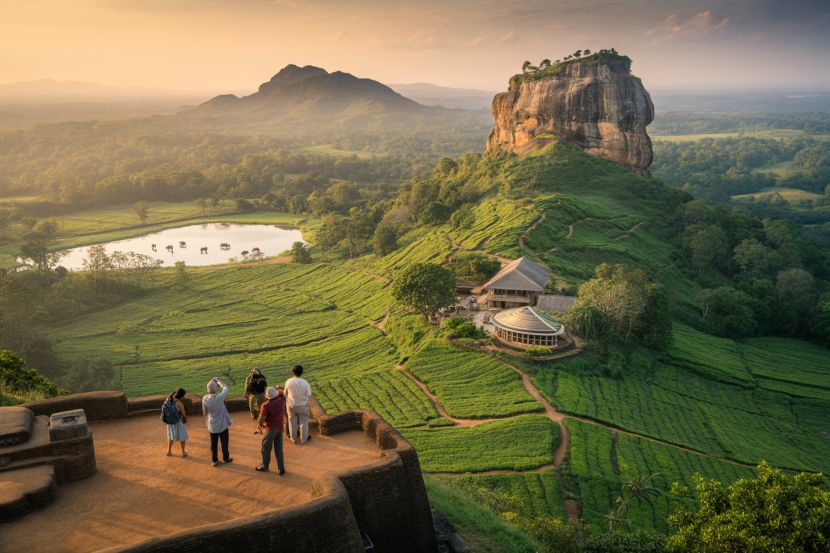
For example, Sigiriya, with its ancient rock fortress, offers a compelling experience for those interested in history, while Nuwara Eliya, known for its tea estates, provides a glimpse into Sri Lanka’s colonial past. These unique offerings can be marketed to tourists looking for something beyond the usual beach holiday.
Travel Tips for Exploring Sri Lanka’s Hidden Gems
For travelers seeking a more exclusive and immersive experience, consider venturing into Sri Lanka’s lesser-known regions. Here are some top recommendations for a more sustainable and enriching journey:
- Visit the Cultural Triangle: Explore the ancient cities of Polonnaruwa, Anuradhapura, and Sigiriya, which are rich in Sri Lanka’s historical and cultural heritage. These areas are perfect for those interested in history, architecture, and culture.
- Embrace Nature: Don’t miss the chance to visit Sri Lanka’s wildlife reserves like Uda Walawe and Yala, where you can enjoy nature walks, wildlife safaris, and eco-lodges that emphasize sustainable practices.
- Tea Plantation Tours: For a unique travel experience, tour the tea plantations in Nuwara Eliya and Kandy, learning about the tea-making process while enjoying the stunning landscapes.
- Support Local Conservation Efforts: Choose eco-friendly accommodations and activities that directly contribute to the protection of Sri Lanka’s natural and cultural resources.
Final Thoughts: A Path to Sustainable Growth
By shifting its focus toward high-value tourism and sustainable practices, Sri Lanka has the potential to elevate its tourism industry and create a more resilient, profitable economy. The key lies in pricing its natural resources and cultural heritage in a way that reflects their true worth while protecting them for future generations.
With the right strategic changes, Sri Lanka can not only enhance its tourism offerings but also ensure that the balance between development and conservation remains at the heart of the nation’s growth trajectory.
The post Sri Lanka’s Tourism Future: How Kandy, Sigiriya, and Yala National Park Can Drive Economic Growth Through Sustainable Practices, Here’s What to Know appeared first on Travel and Tour World