

Discover Maldives: Exploring Deep Wall Dives
Shakeeb Ibrahim, Dive Centre Manager and Dive Instructor at COMO Maalifushi, has been working in the diving industry for over 20 years. A Maldivian native, he grew up in and around the water. “In the Maldives, childhood is spent in the water,” he says. “So diving is not a new thing for me.” Before scuba, there was free diving — often to depths of around 20 metres — which made the transition to scuba feel natural rather than intimidating, with wall diving one of Ibrahim’s favourite ways to explore the ocean.
Maldives overview
Shakeeb Ibrahim, Dive Centre Manager and Dive Instructor at COMO Maalifushi, has been working in the diving industry for over 20 years. A Maldivian native, he grew up in and around the water. “In the Maldives, childhood is spent in the water,” he says. “So diving is not a new thing for me.” Before scuba, there was free diving — often to depths of around 20 metres — which made the transition to scuba feel natural rather than intimidating, with wall diving one of Ibrahim’s favourite ways to explore the ocean.
Important details from the source
- Shakeeb Ibrahim, Dive Centre Manager and Dive Instructor at COMO Maalifushi, has been working in the diving industry for over 20 years.
- A Maldivian native, he grew up in and around the water.
- “In the Maldives, childhood is spent in the water,” he says.
- “So diving is not a new thing for me.” Before scuba, there was free diving — often to depths of around 20 metres — which made the transition to scuba feel natural rather than intimidating, with wall diving one of Ibrahim’s favourite ways to explore the ocean.
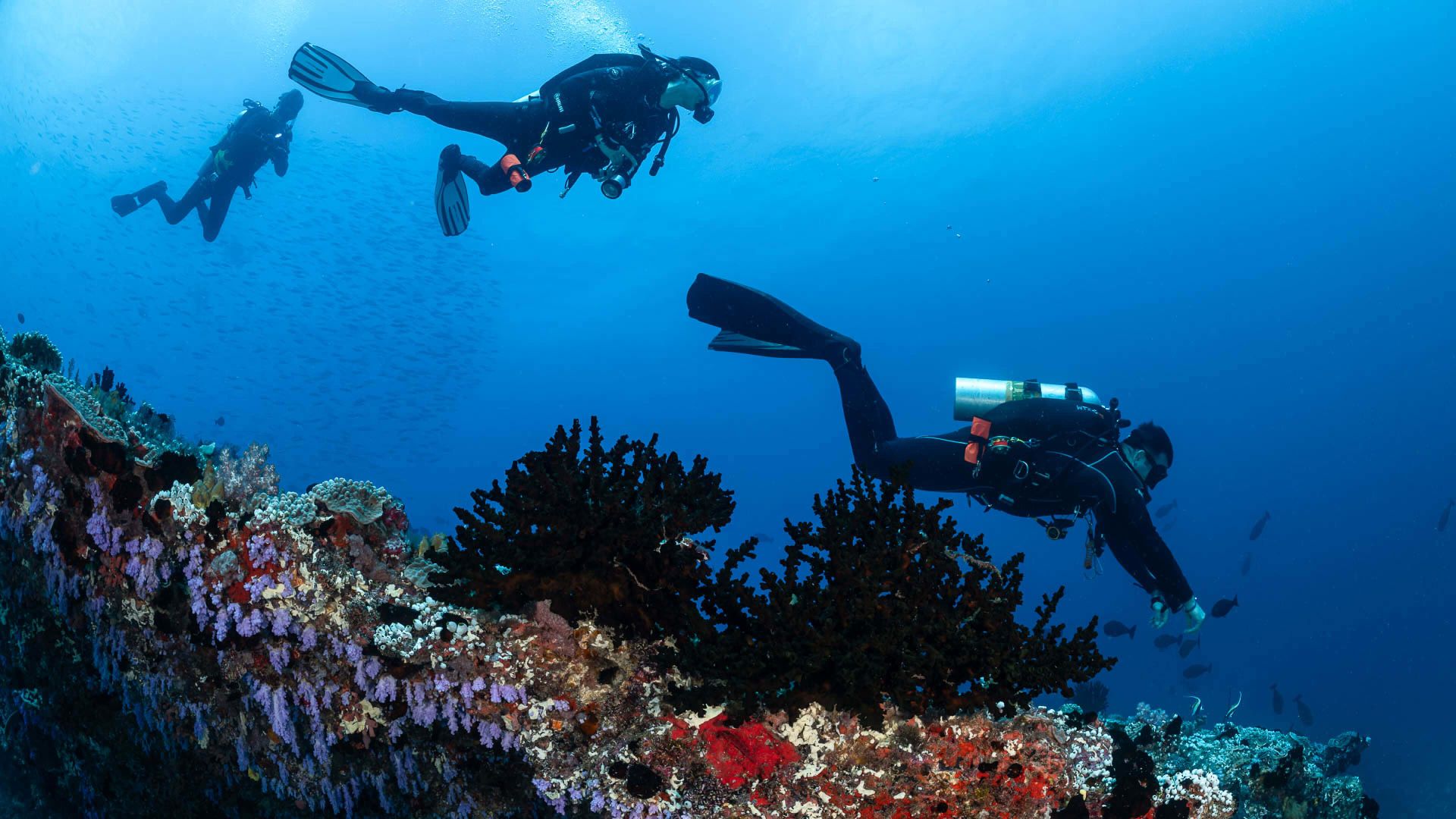
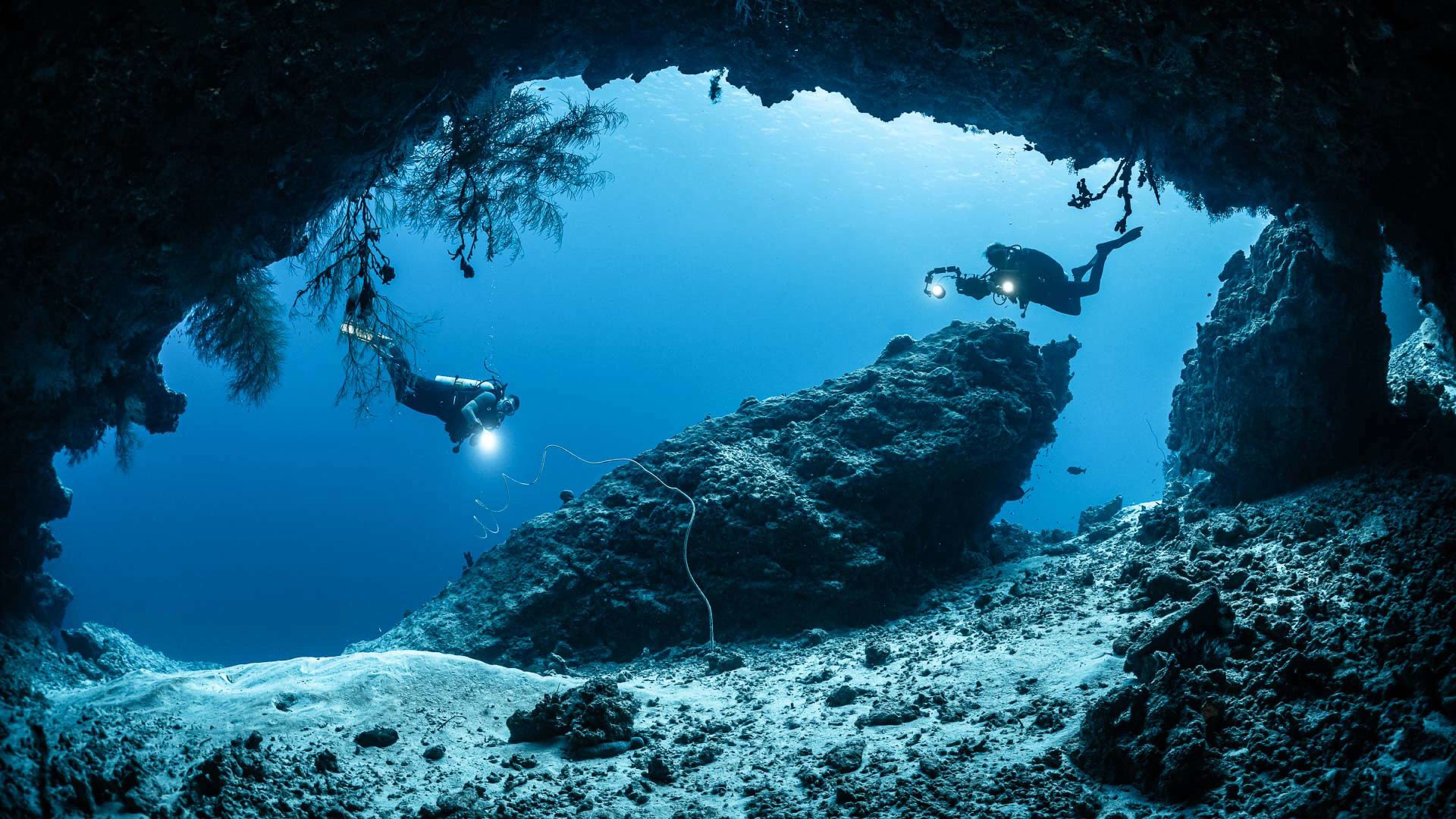
- In the Maldives, wall diving refers to long outer-reef dives rather than sheer vertical drops.
- “It’s like a long, long reef dive,” says Ibrahim.
- Typically, dives begin at around four or five metres and slope down to 25 or 30 metres, with some sections plunging far deeper.
- The added depth brings a new layer of exposure to the scuba experience; it’s very different to diving within the lagoons of the Thaa Atoll.
- “The outer reef is connected with the deep ocean,” Ibrahim says.
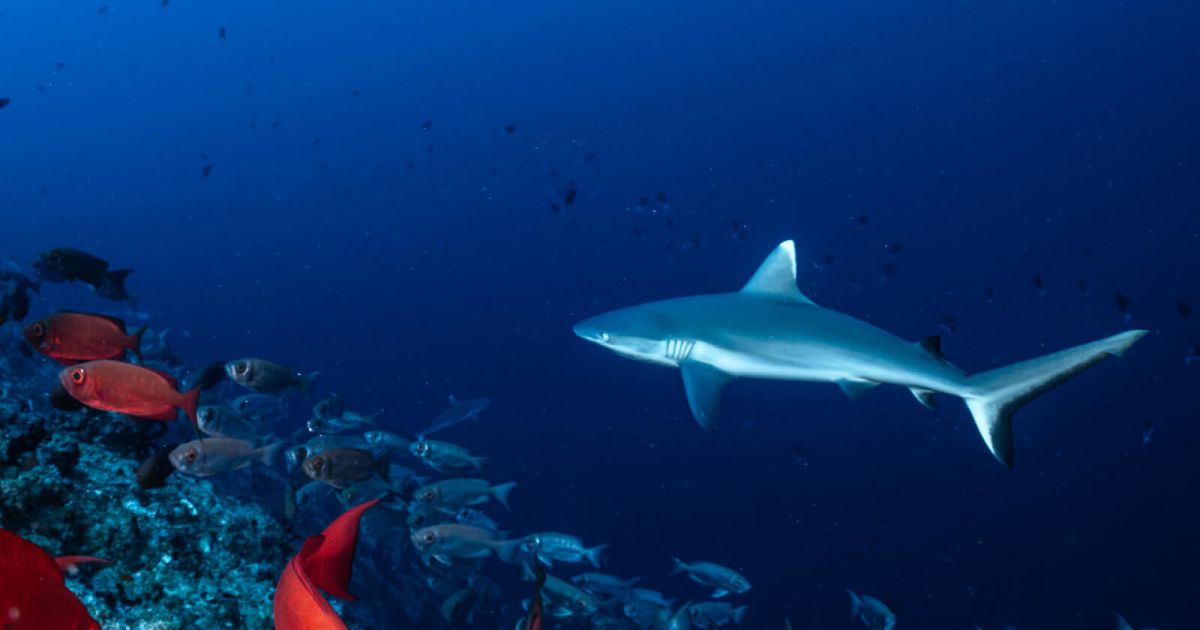
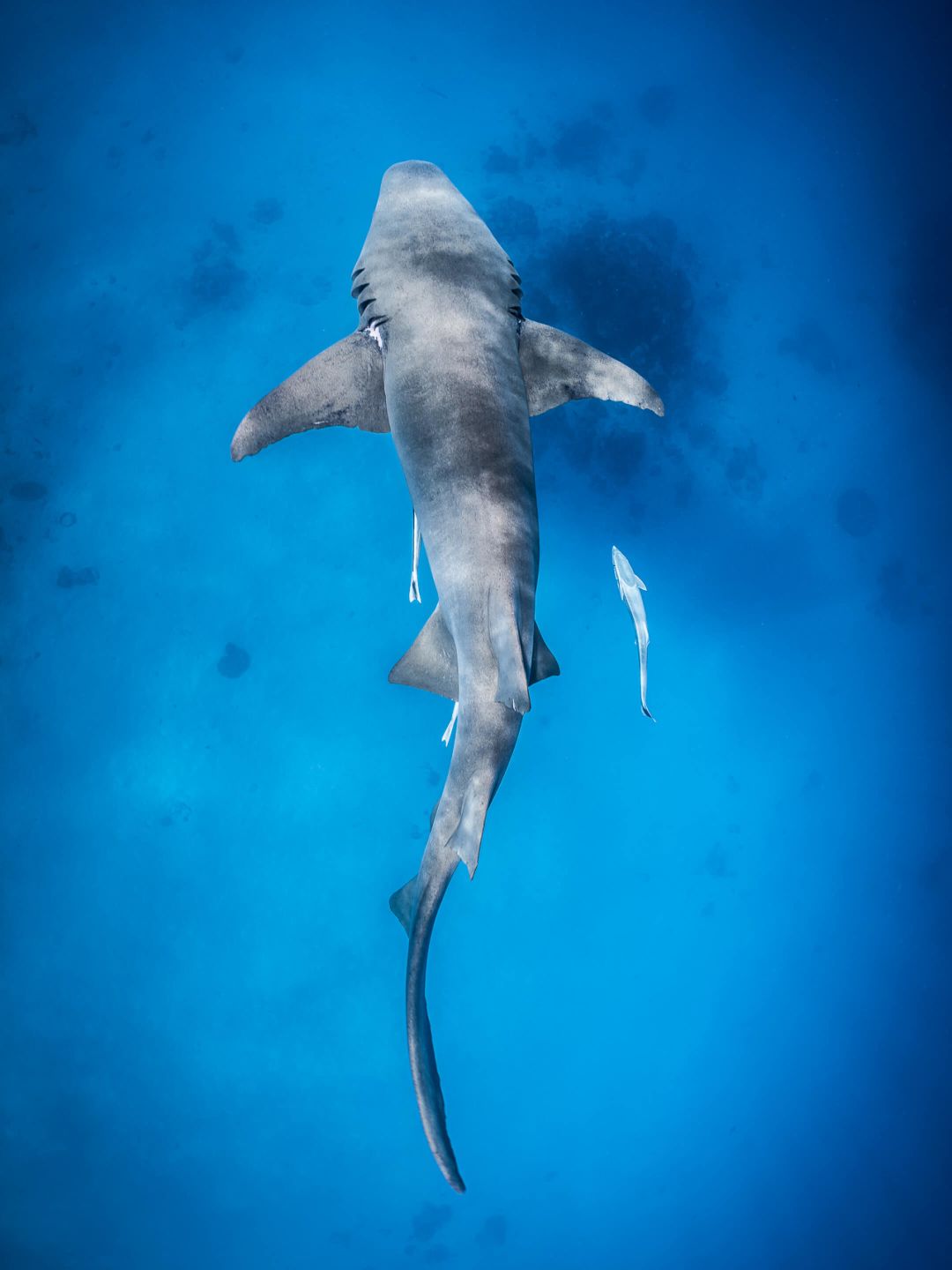
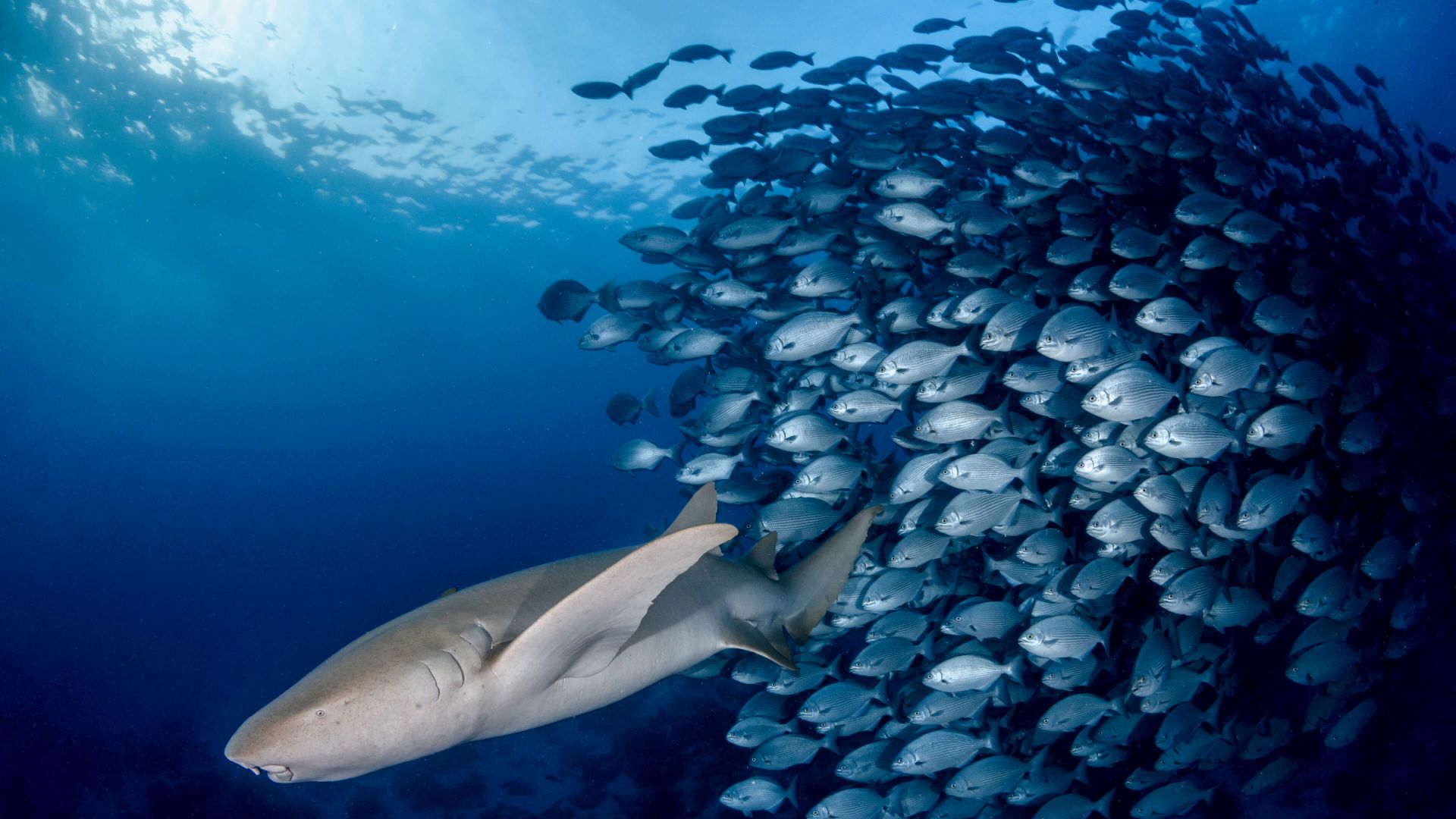
- Visibility is often better than inside the lagoon, and the scale of marine life shifts dramatically.
What this means for readers
Maldives helps readers understand the topic in context, identify the most important points, and decide whether the subject deserves deeper research.
Frequently asked questions
What is Maldives about?
Maldives is based on source material acquired by 4ME TRAVEL and rewritten into a structured editorial format for discovery, context, and traceability.
Why is this topic relevant?
The topic is relevant because it contains practical travel context, destination signals, consumer-interest signals, or planning information that can support editorial discovery.
Does 4ME TRAVEL sell these options directly?
4ME TRAVEL provides editorial discovery and may connect readers with relevant partner offers. Final booking, payment, availability, and service conditions are handled by the selected provider.
Conclusion
Maldives provides source-based editorial context for readers who want a quick, structured understanding of the topic before continuing their research.


More in Hotel


More in Travel