




Discover London’s Hidden Masterpieces: A COMO Guide
While the museum is predominantly known for its fashion history and blockbuster exhibitions (this season’s include the long-awaited Cartier and The Great Mughals: Art, Architecture and Opulence), it’s also home to one of the world’s finest permanent collections of art, statuary, jewellery and objets d’art.
London overview
While the museum is predominantly known for its fashion history and blockbuster exhibitions (this season’s include the long-awaited Cartier and The Great Mughals: Art, Architecture and Opulence), it’s also home to one of the world’s finest permanent collections of art, statuary, jewellery and objets d’art.
Important details from the source
- A COMO guide to our favourite things to look out for on your next visit to one of London's finest museums.
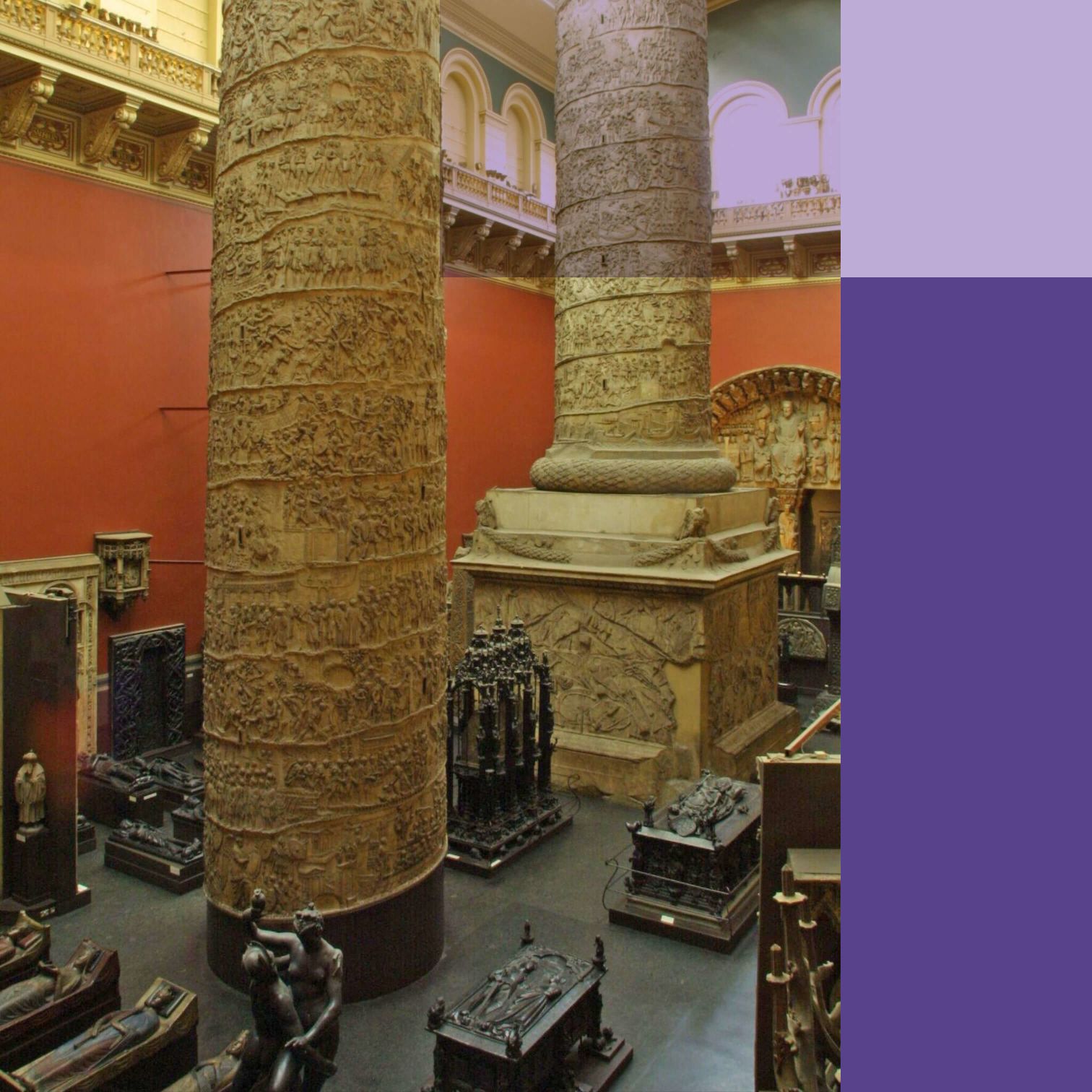
- The Cast Courts house a collection of 19th-century plaster casts of iconic sculptures and architectural masterpieces including ornate cathedral doorways and intricate tombs.
- One of the highlights is a copy of the 2nd-century Trajan’s Column (the original stands at the centre of Rome’s Roman Forum), acquired by the museum in the 1860s.
- The 35-metre column has been split in two — partly so it fits indoors, but also so visitors can see the artistry up-close.
- The spiral frieze is extraordinary, depicting over 2,600 figures across 155 scenes illustrating the Roman army’s campaigns.
- Other casts worth seeking out include Michelangelo’s David, capturing every detail of the original.
- Queen Victoria is said to have been so shocked by his nudity that a fig-leaf was crafted to be hung over David’s anatomy during any visit by the Queen or her royal ladies.
- That fig-leaf is now displayed in a case on the back of the statue’s pedestal.
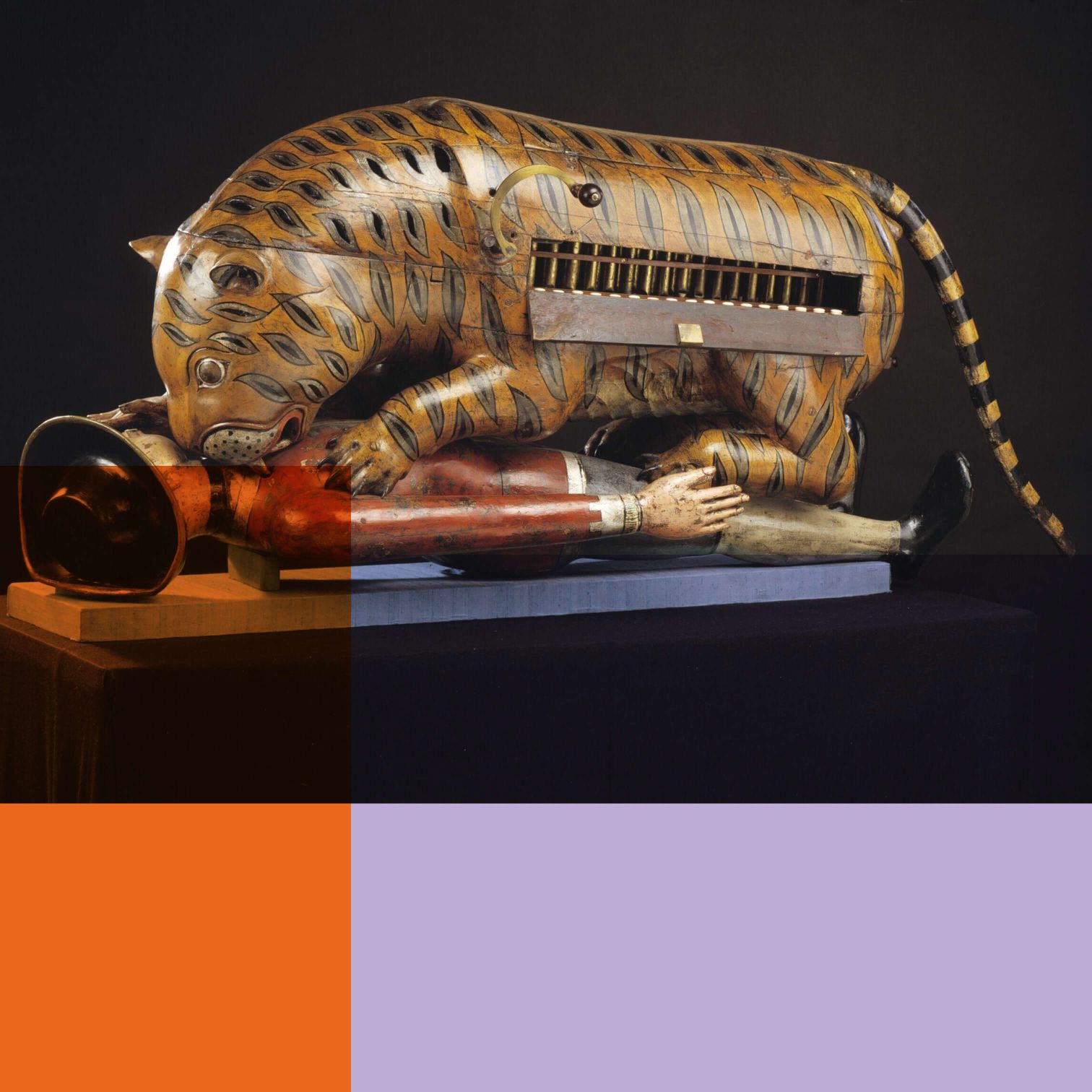
- When cranked, the tiger growls, the soldier cries out in his death throes, and his hand moves up and down in futile objection.
- Commissioned in the 1790s by Tipu Sultan of Mysore, the tiger symbolised Tipu’s resistance against British colonialism.
How to use this guide
Use this guide as a structured discovery starting point. Compare the listed options by travel style, season, location, time available, and practical booking needs before making a final decision.
Best for
- Readers comparing several destinations, places, or ideas in one topic.
- Travellers who want inspiration before narrowing down the final plan.
- Users who need a fast overview before checking detailed offers or local conditions.
Things to check before deciding
- Current prices, availability, opening times, and travel conditions.
- Seasonality, weather, local holidays, and peak demand periods.
- Distance from the main arrival point, accommodation area, or planned route.
- Whether the option matches the traveller’s budget, pace, and expectations.
Frequently asked questions
How should I use London?
Use it to compare options, identify the most relevant ideas, and decide which places or services need deeper research before booking.
Is this guide enough for final planning?
No. A guide is a planning layer. Final planning should include current prices, availability, travel dates, local conditions, and provider terms.
Does 4ME TRAVEL sell these options directly?
4ME TRAVEL provides editorial discovery and may connect readers with relevant partner offers. Final booking, payment, availability, and service conditions are handled by the selected provider.
Conclusion
London is useful as a comparison starting point. The safest approach is to shortlist the most relevant options, then verify current conditions and booking details before making a final choice.


More in Travel



More in Hotel