

Discovering COMO Parrot Cay: An Expert’s Eye on the Caribbean
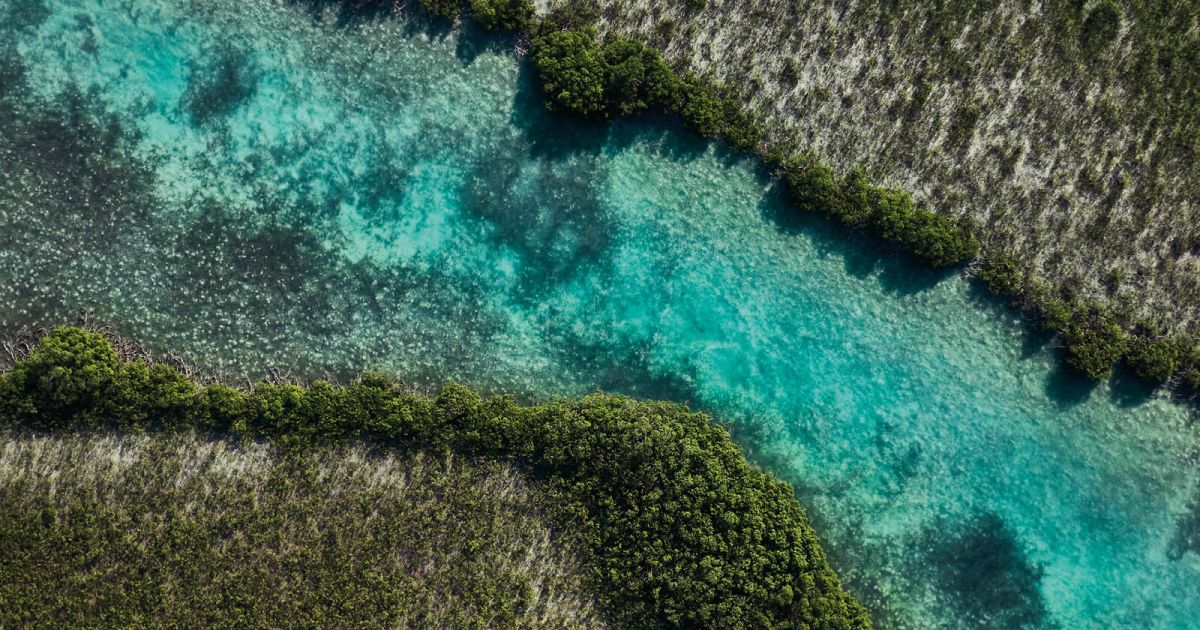
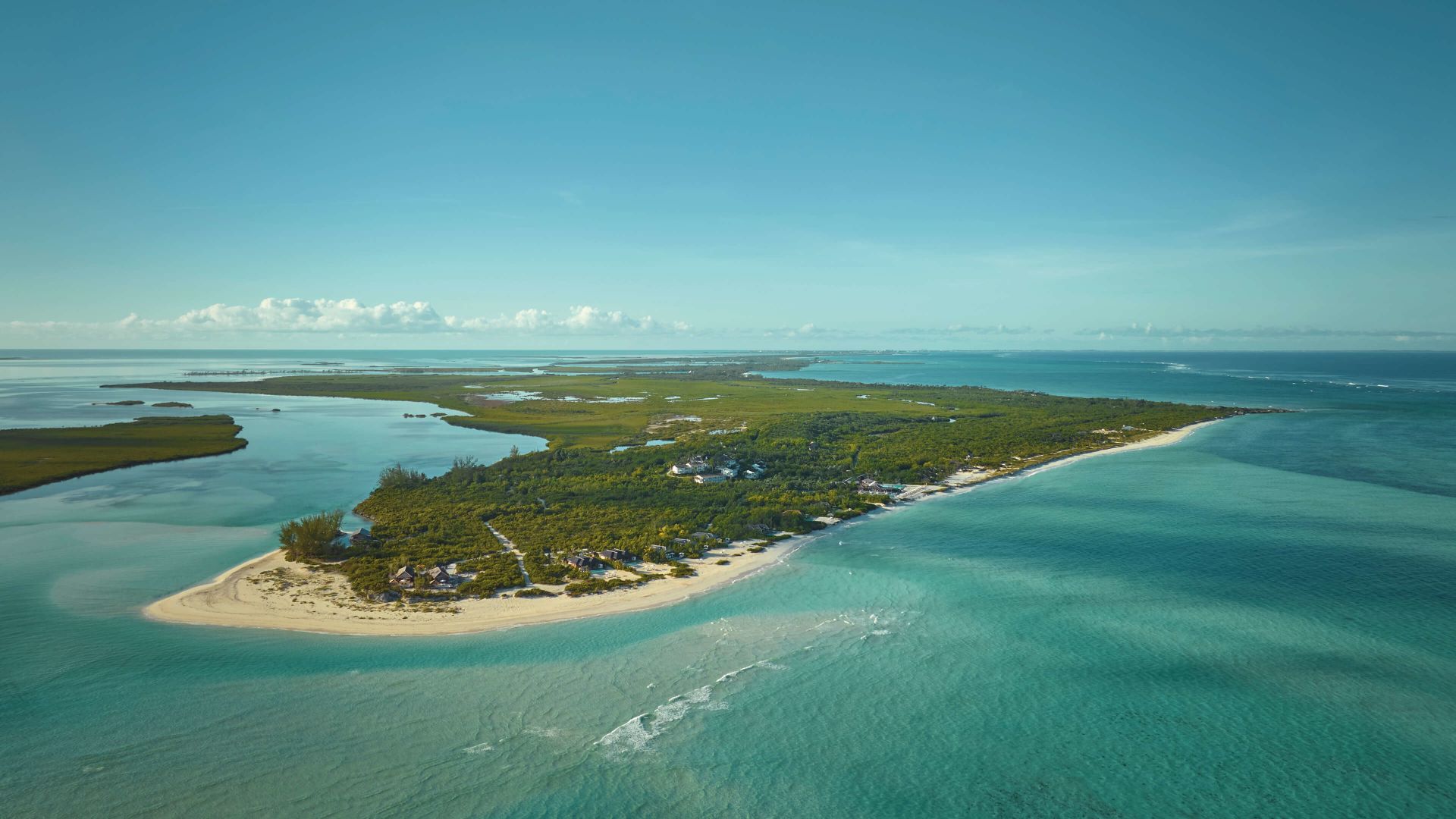
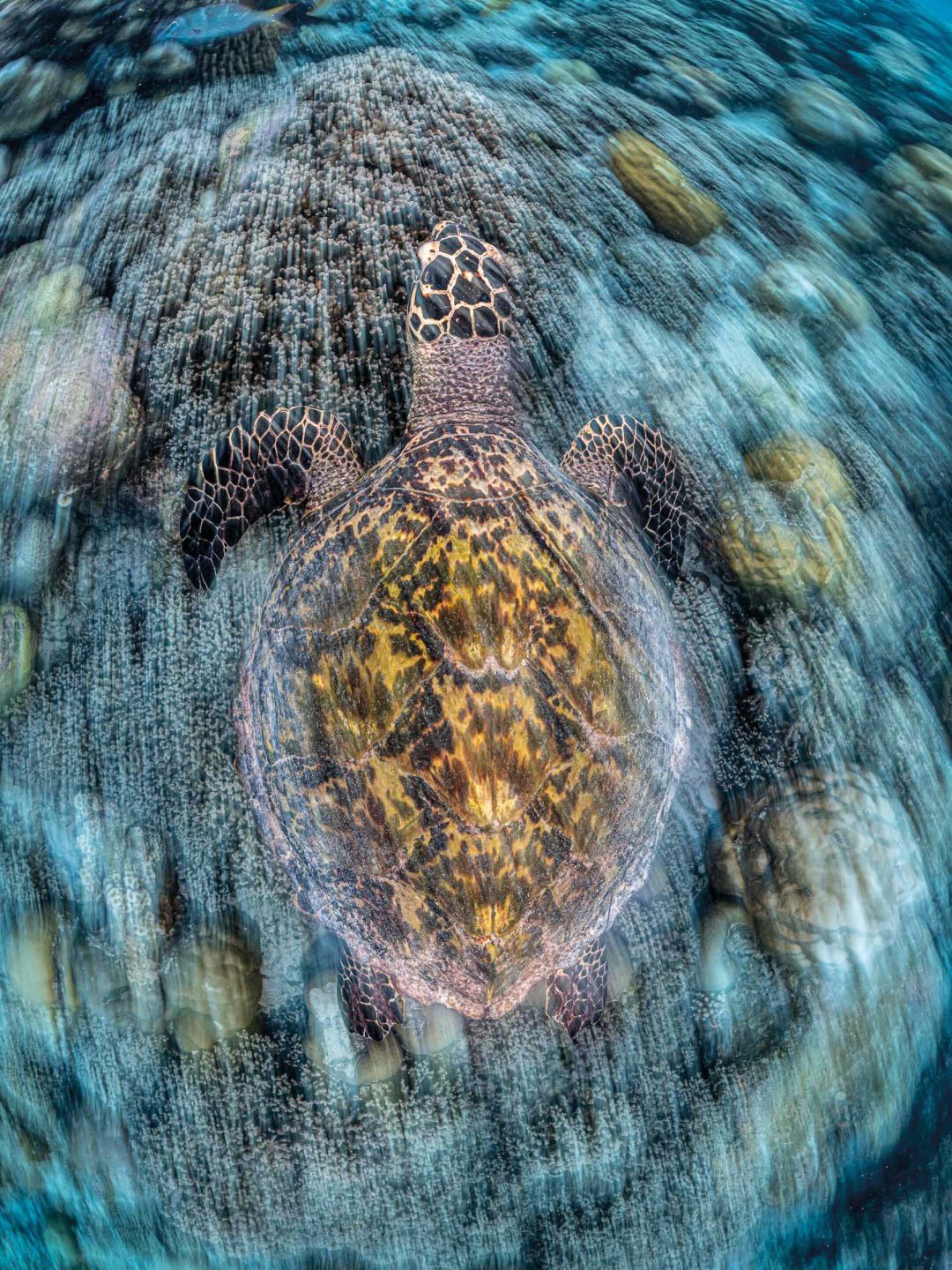
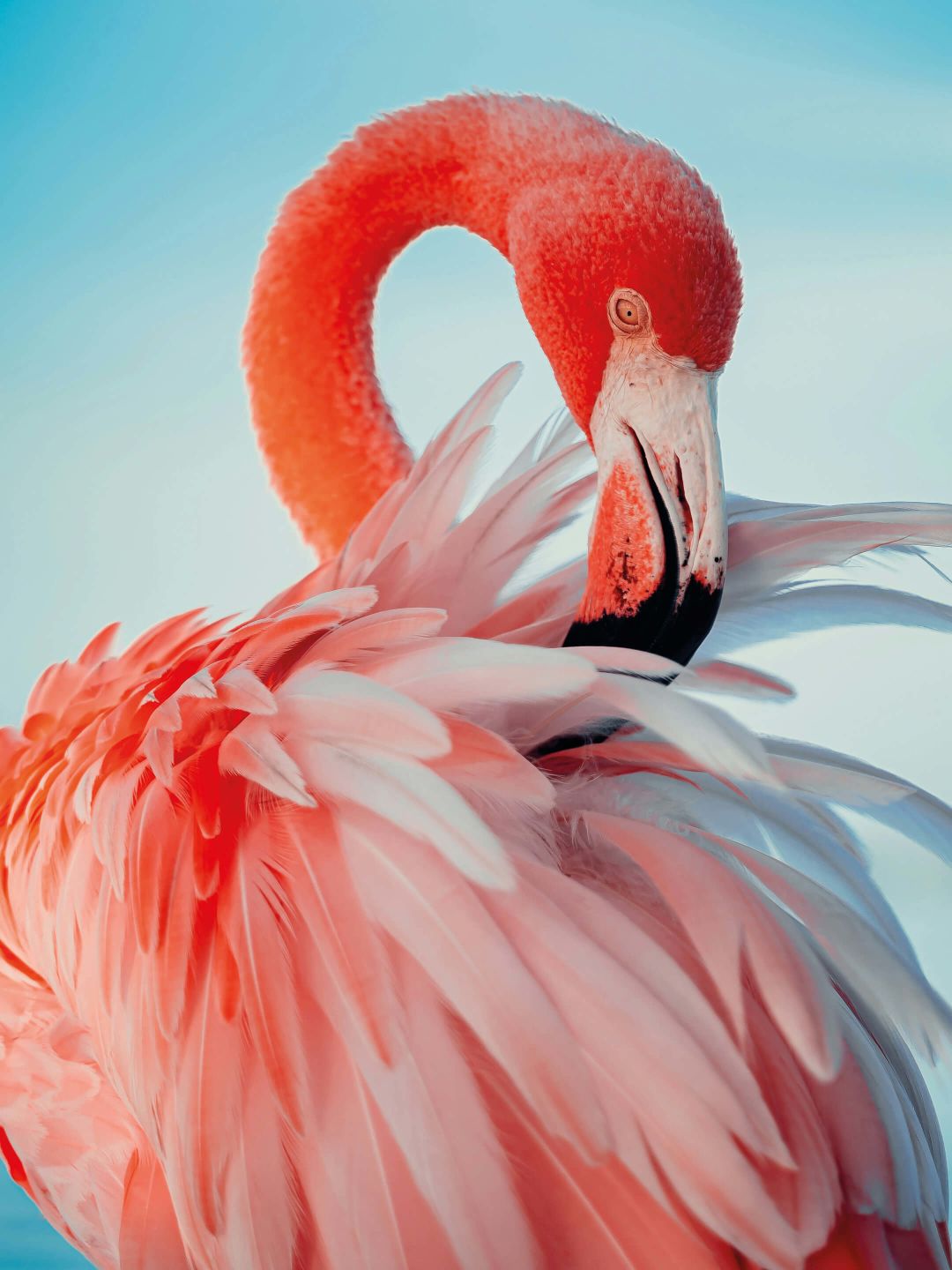
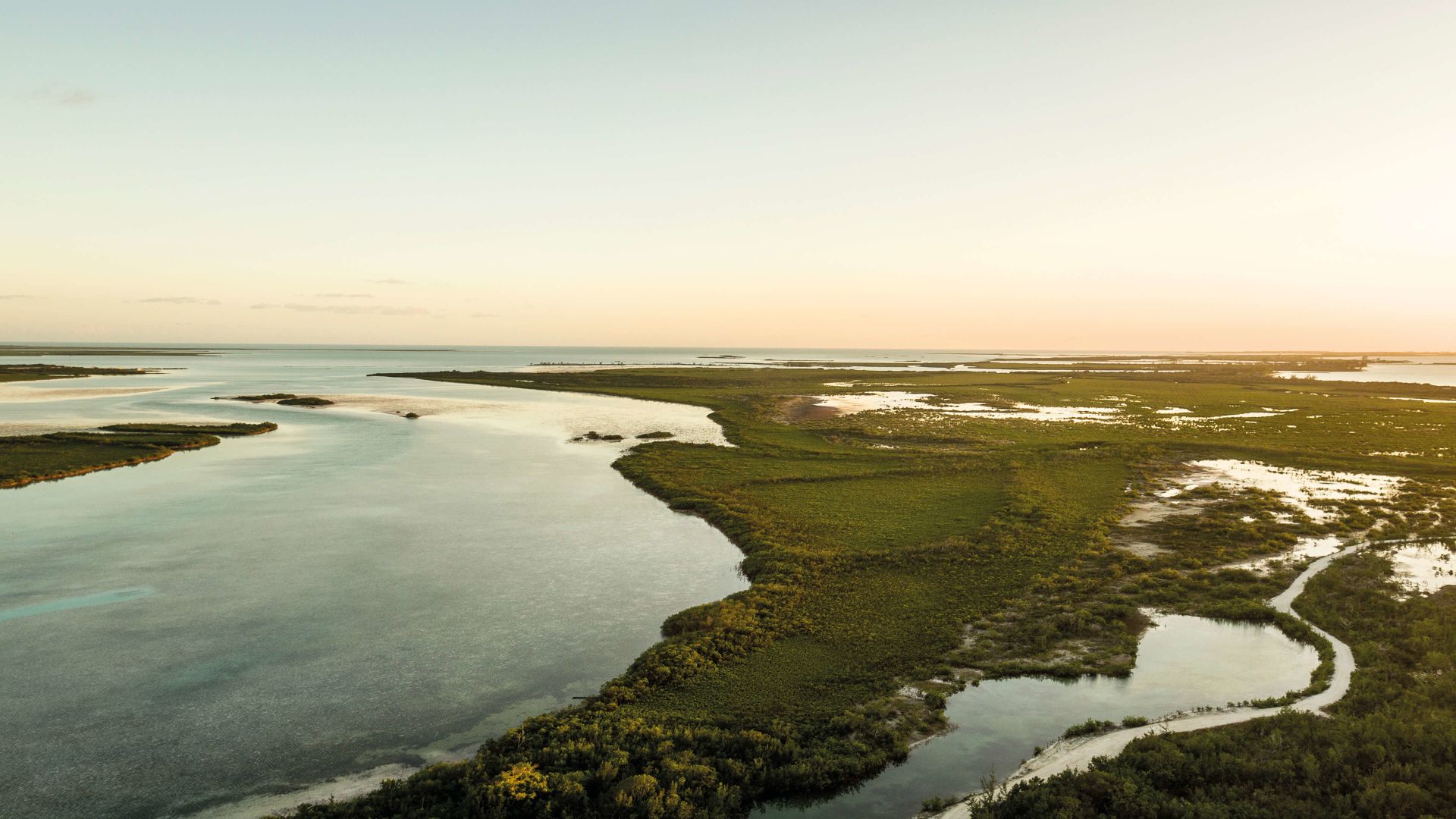
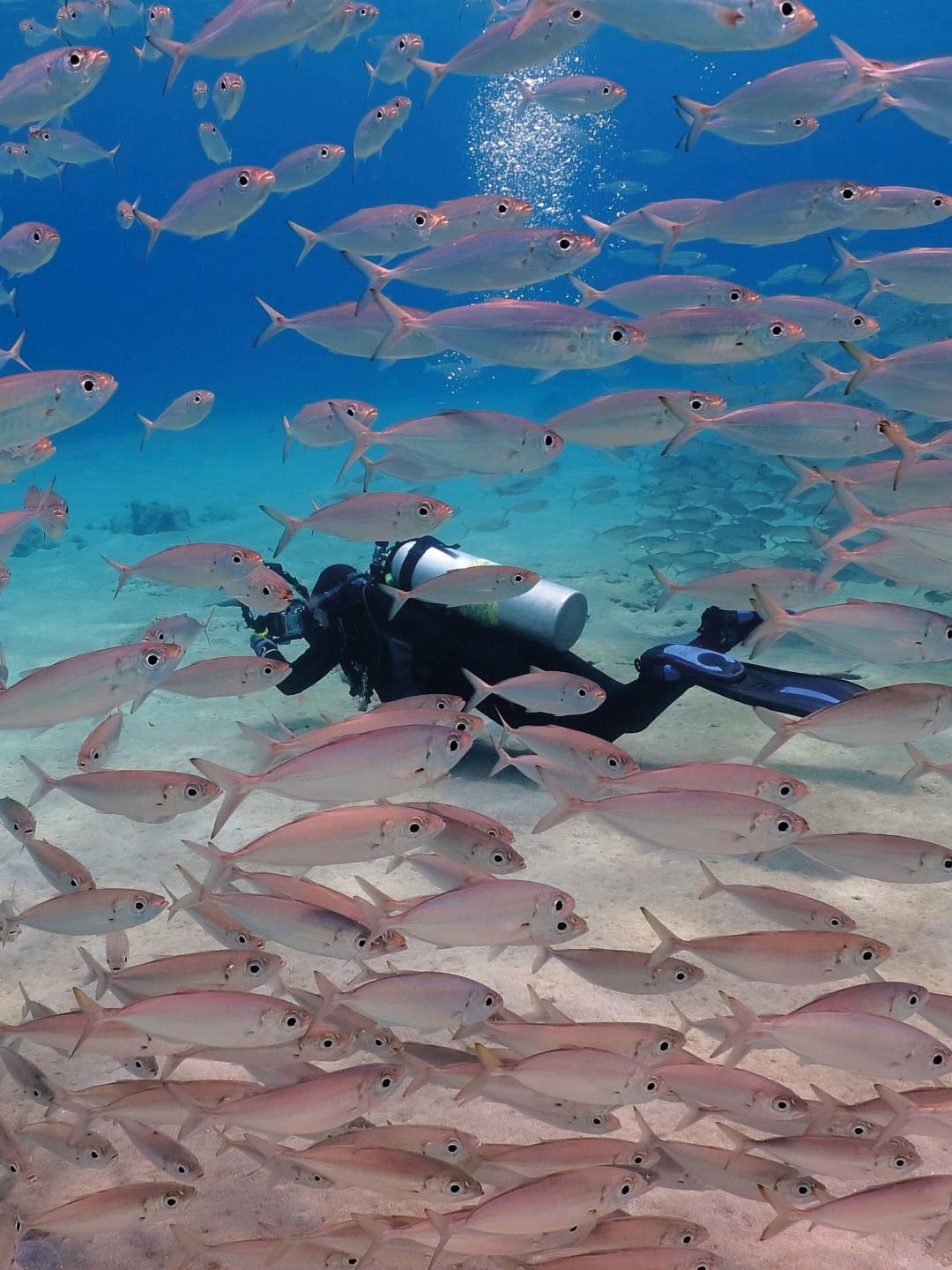
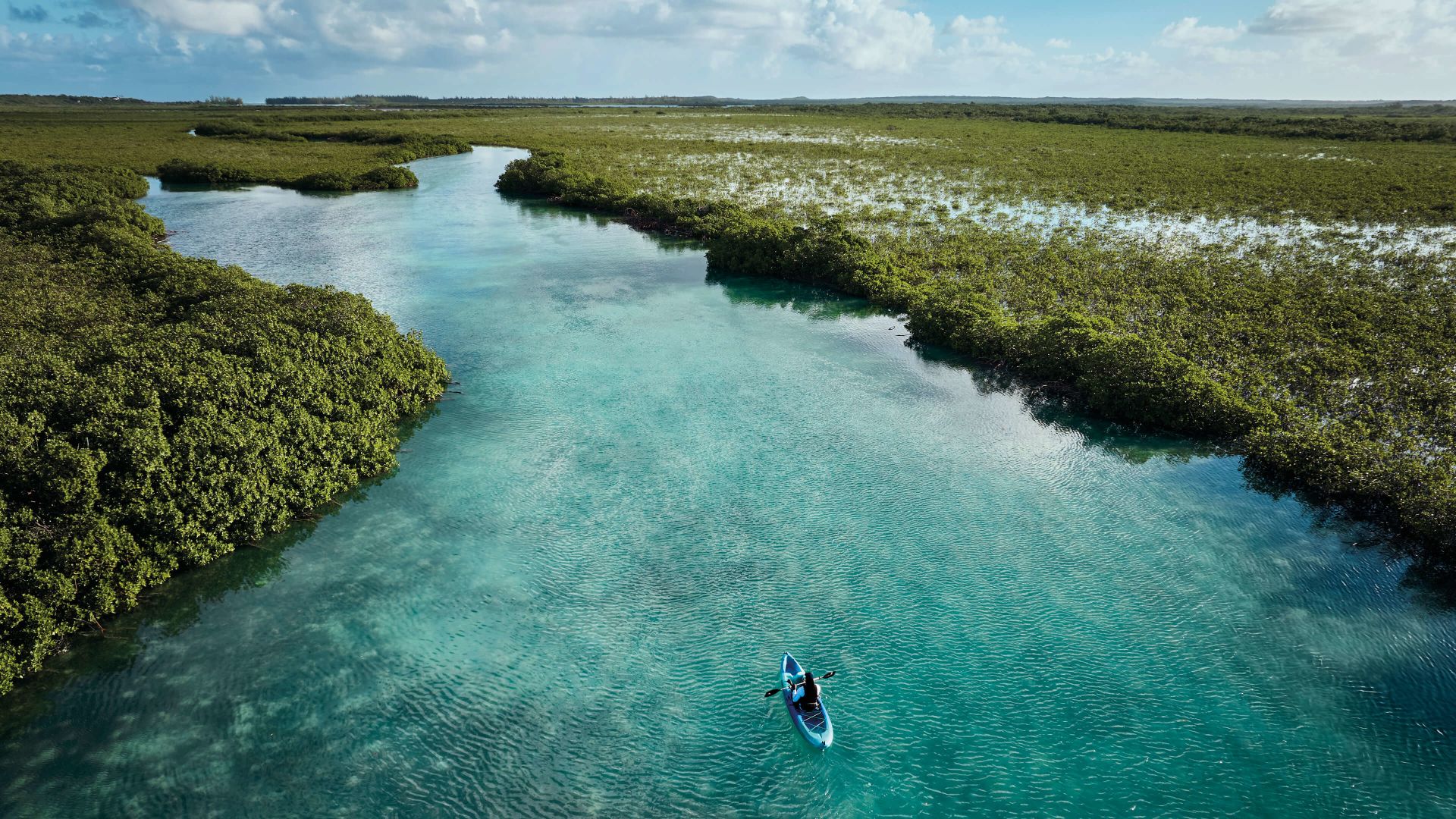
For a small island, COMO Parrot Cay is home to a wide variety of beautiful natural habitats. Its western shores are bordered by immaculate beaches and clear blue seas; if you walk to the edge of the sand and look into the distance, you’ll see the colours shift at the shelf edge, where the turquoise waters of the Turks and Caicos drop steeply into the dark blue Atlantic. If you head to the eastern shores of the island, a very different ecosystem awaits, predominantly home to mangrove wetlands and swamps. Here, you’ll find an astonishing diversity of animal species both above and below the water’s surface: juvenile sharks, green and hawksbill turtles, upside-down jellyfish, flamingos and more. Between the beach to the west and the mangroves to the east, the island is webbed by footpaths and trails along which you might encounter a number of smaller creatures, from my favourite Bahama woodstar — a small but stunning hummingbird — to charismatic curly tail lizards, which are found only in the Turks and Caicos. I often hear the lizards before I see them, their feet pattering madly as they scurry between rocks.
The Caribbean, Through an Expert’s Eyes overview
For a small island, COMO Parrot Cay is home to a wide variety of beautiful natural habitats. Its western shores are bordered by immaculate beaches and clear blue seas; if you walk to the edge of the sand and look into the distance, you’ll see the colours shift at the shelf edge, where the turquoise waters of the Turks and Caicos drop steeply into the dark blue Atlantic. If you head to the eastern shores of the island, a very different ecosystem awaits, predominantly home to mangrove wetlands and swamps. Here, you’ll find an astonishing diversity of animal species both above and below the water’s surface: juvenile sharks, green and hawksbill turtles, upside-down jellyfish, flamingos and more. Between the beach to the west and the mangroves to the east, the island is webbed by footpaths and trails along which you might encounter a number of smaller creatures, from my favourite Bahama woodstar — a small but stunning hummingbird — to charismatic curly tail lizards, which are found only in the Turks and Caicos. I often hear the lizards before I see them, their feet pattering madly as they scurry between rocks.
Important details from the source
- COMO Parrot Cay’s Director of Marine Science and Sustainability, explains why he finds this pocket of the Caribbean so special.
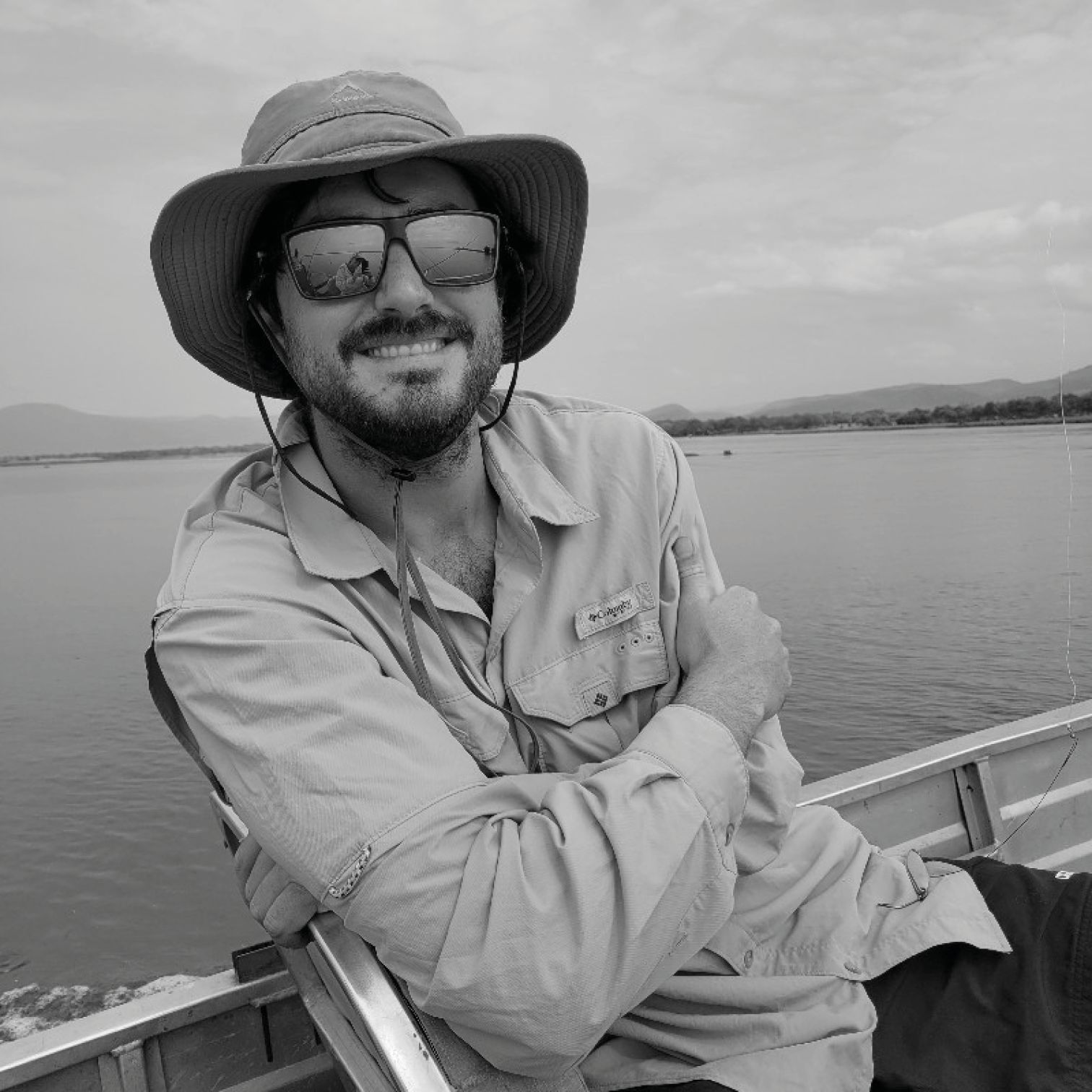
- Dr Ed Butler is Director of Marine Science and Sustainability at COMO Parrot Cay in the Turks and Caicos.
- He has a doctorate in marine and fisheries science from Rhodes University in South Africa.
- Before joining COMO Hotels and Resorts in March 2022, he led a UK government-funded grant focused on improving sustainability and management of small-scale fisheries in the Turks and Caicos.
- His research is centred on the social-ecological system sciences — the study of linked systems between people and nature — with the aim of uncovering novel and pragmatic solutions for conservation issues.
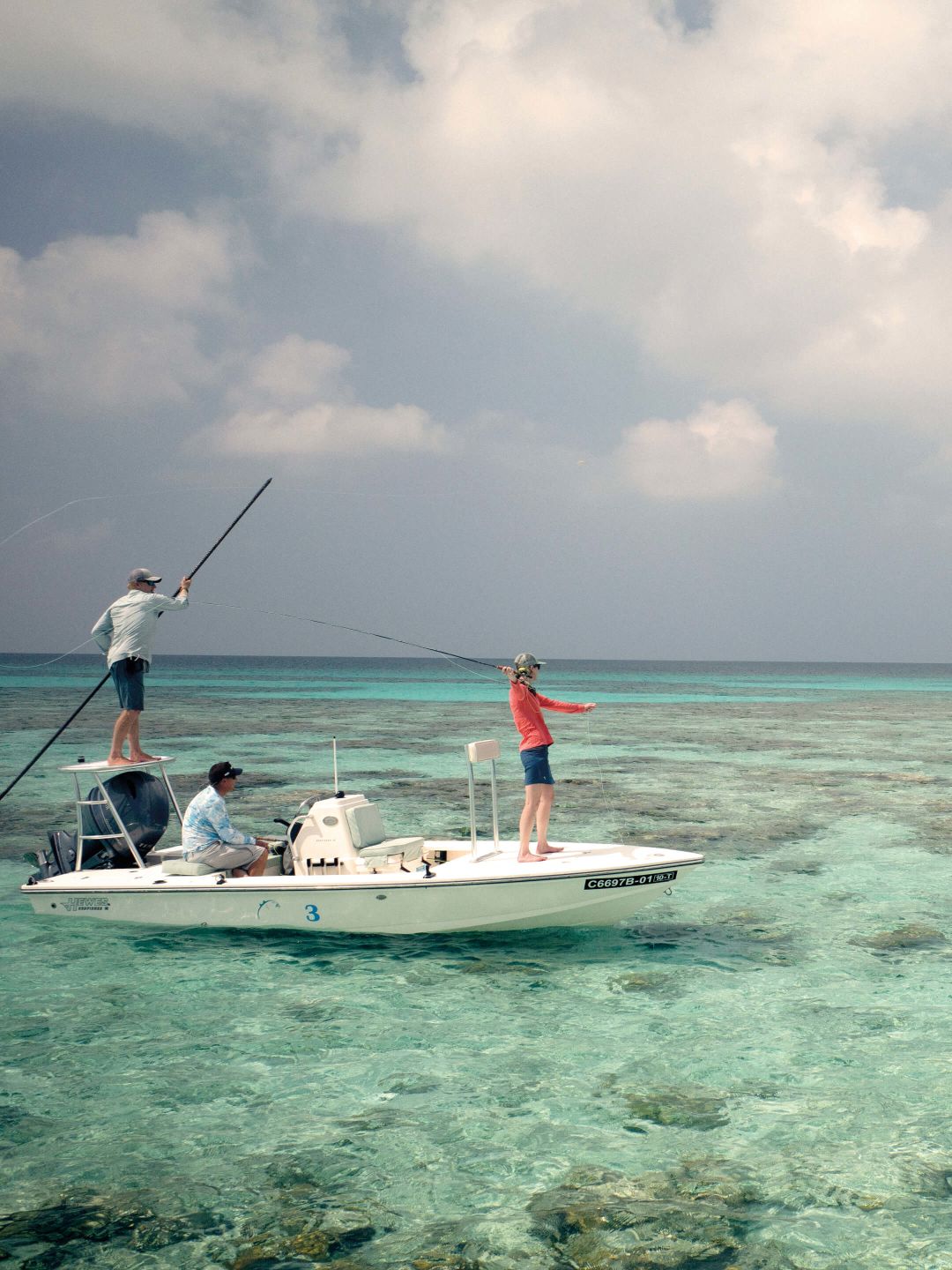
- He is passionate about the outdoors and sustainable recreational fishing.
- For a small island, COMO Parrot Cay is home to a wide variety of beautiful natural habitats.
- Its western shores are bordered by immaculate beaches and clear blue seas; if you walk to the edge of the sand and look into the distance, you’ll see the colours shift at the shelf edge, where the turquoise waters of the Turks and Caicos drop steeply into the dark blue Atlantic.
- If you head to the eastern shores of the island, a very different ecosystem awaits, predominantly home to mangrove wetlands and swamps.
- Here, you’ll find an astonishing diversity of animal species both above and below the water’s surface: juvenile sharks, green and hawksbill turtles, upside-down jellyfish, flamingos and more.
How to use this guide
Use this guide as a structured discovery starting point. Compare the listed options by travel style, season, location, time available, and practical booking needs before making a final decision.
Best for
- Readers comparing several destinations, places, or ideas in one topic.
- Travellers who want inspiration before narrowing down the final plan.
- Users who need a fast overview before checking detailed offers or local conditions.
Things to check before deciding
- Current prices, availability, opening times, and travel conditions.
- Seasonality, weather, local holidays, and peak demand periods.
- Distance from the main arrival point, accommodation area, or planned route.
- Whether the option matches the traveller’s budget, pace, and expectations.
Frequently asked questions
How should I use The Caribbean, Through an Expert’s Eyes?
Use it to compare options, identify the most relevant ideas, and decide which places or services need deeper research before booking.
Is this guide enough for final planning?
No. A guide is a planning layer. Final planning should include current prices, availability, travel dates, local conditions, and provider terms.
Does 4ME TRAVEL sell these options directly?
4ME TRAVEL provides editorial discovery and may connect readers with relevant partner offers. Final booking, payment, availability, and service conditions are handled by the selected provider.
Conclusion
The Caribbean, Through an Expert’s Eyes is useful as a comparison starting point. The safest approach is to shortlist the most relevant options, then verify current conditions and booking details before making a final choice.


More in Hotel

More in Travel