


Discover Alpe di Susi’s Healing Flowers
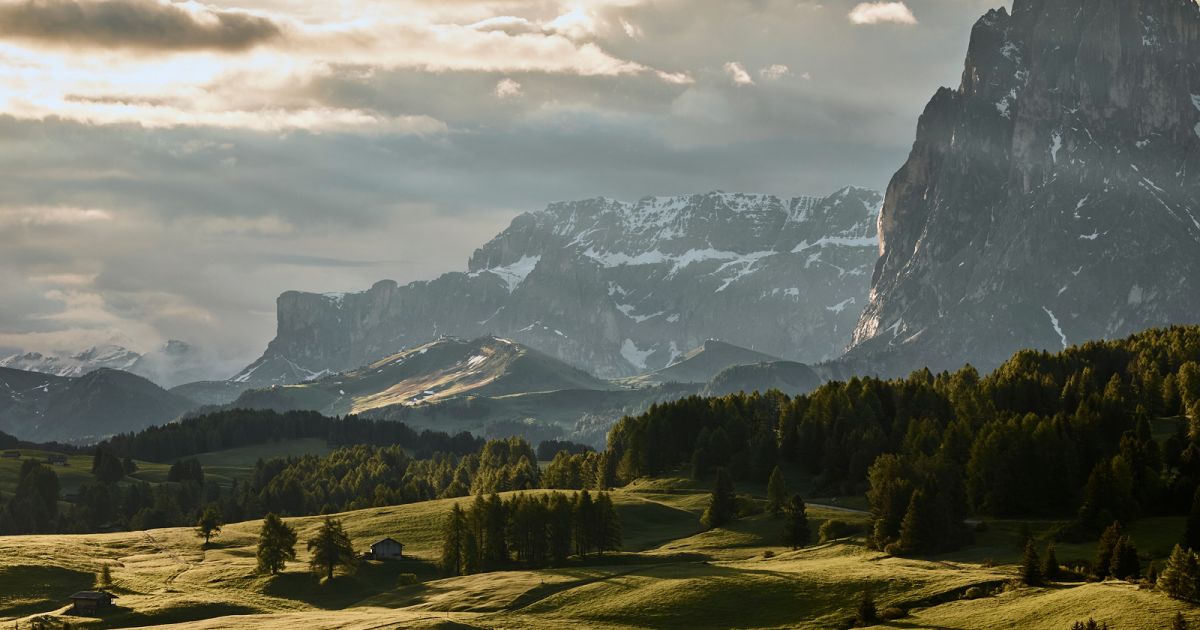
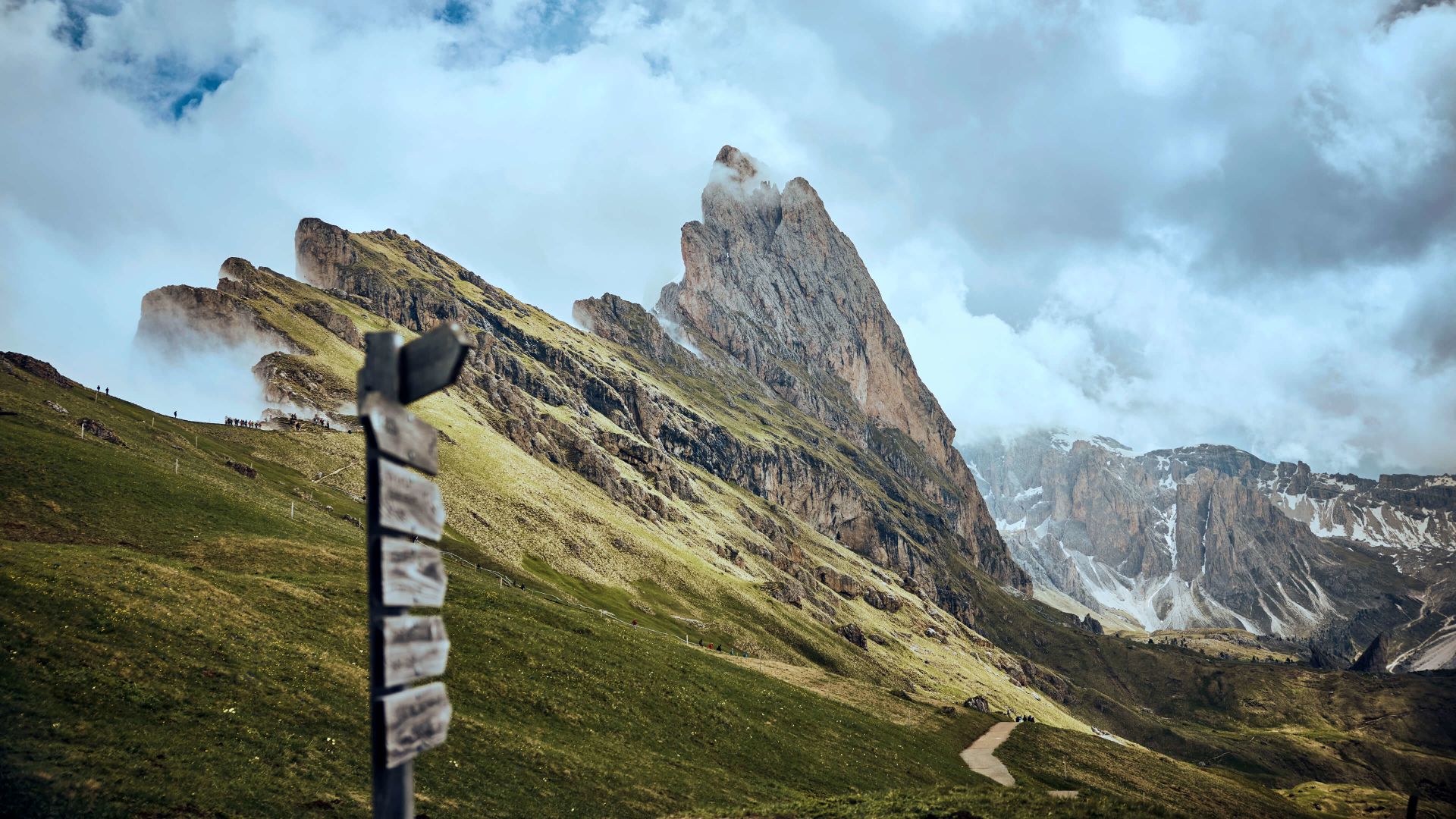
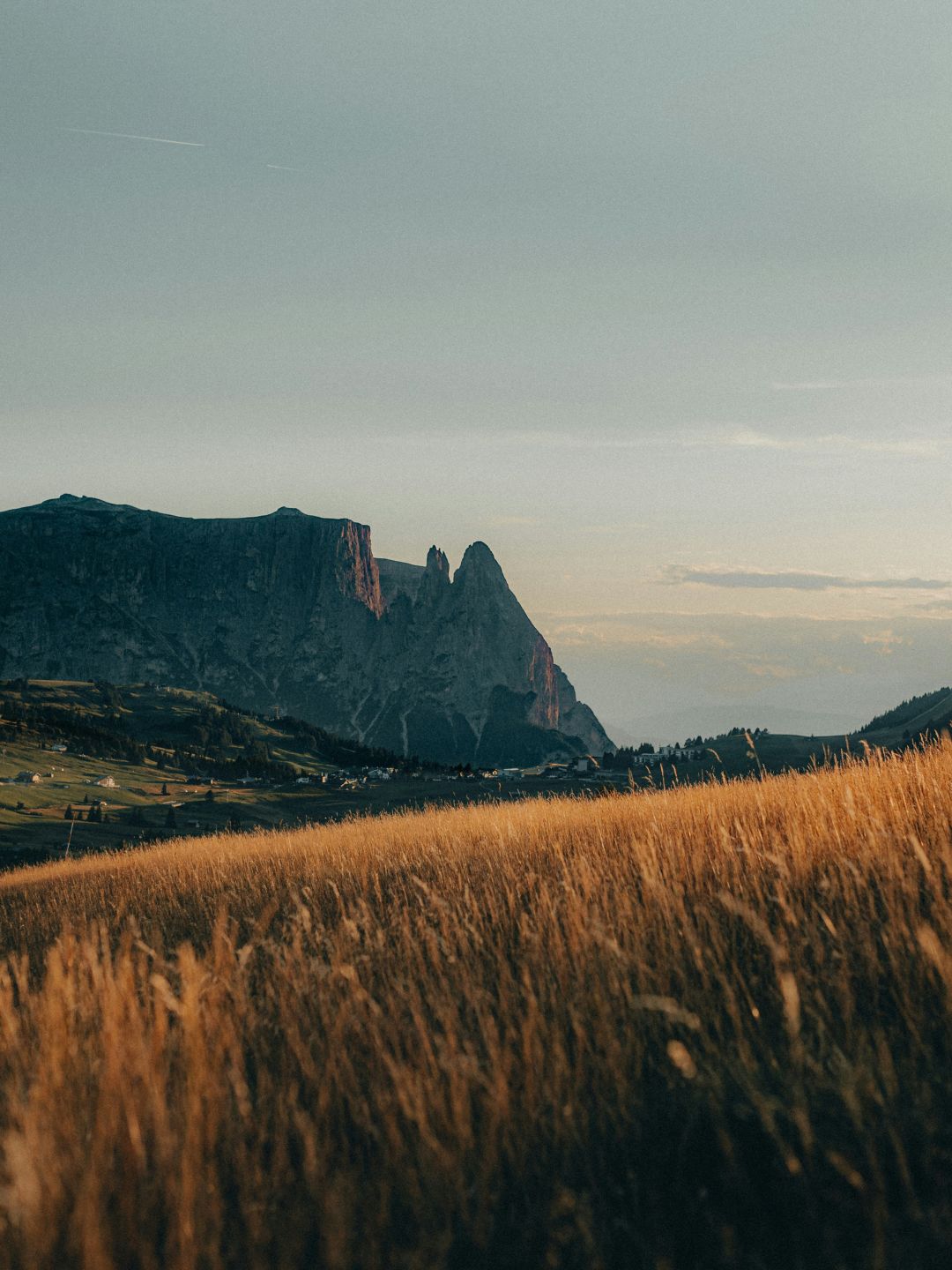
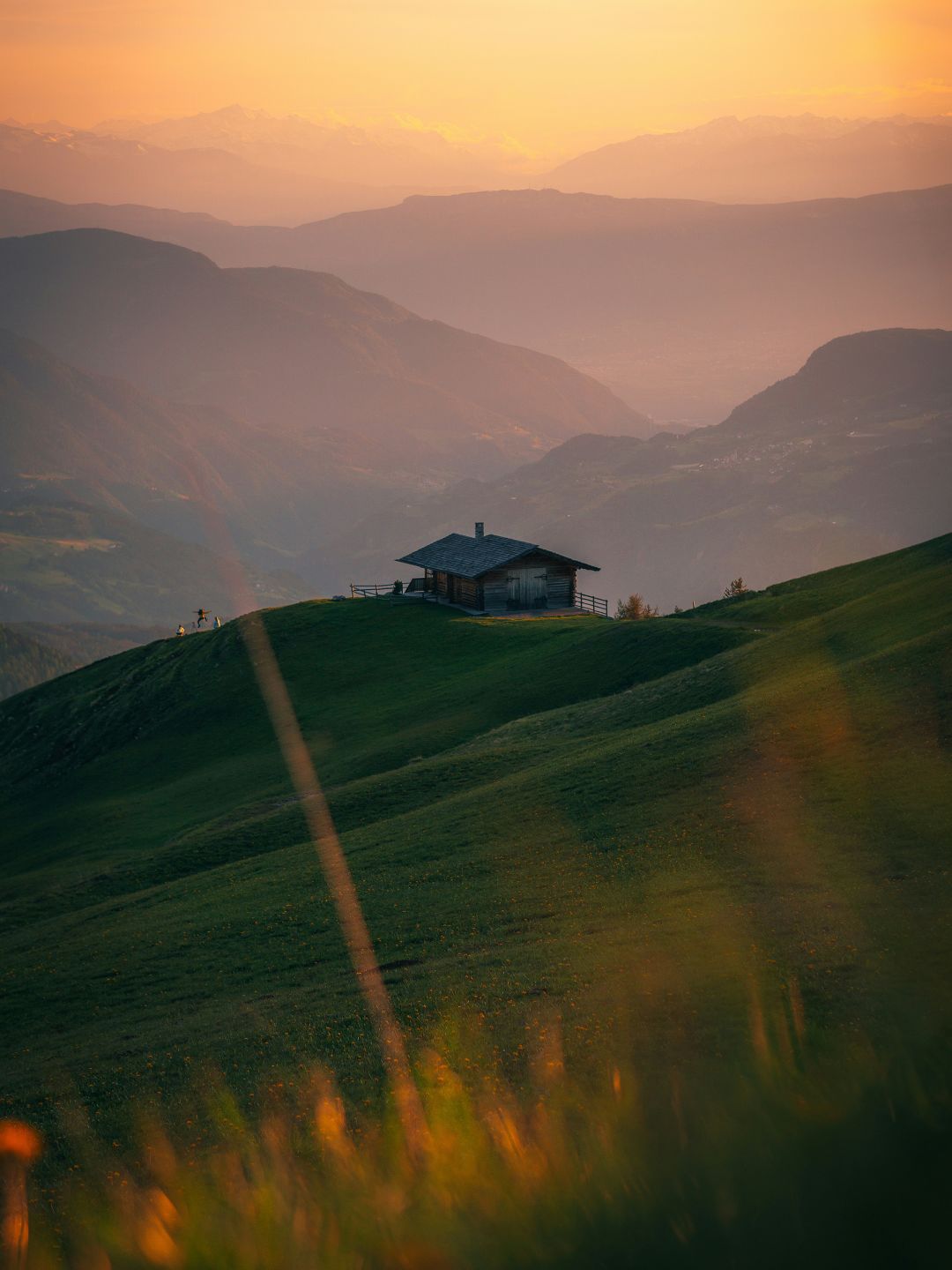
The Alpe di Susi in South Tyrol sits at an elevation of over 1,600 metres and covers over 20 square miles. It’s Europe’s largest high-altitude alpine meadow, surrounded by dramatic mountain peaks and rocky outcrops. From November to April, this region is blanketed in thick snow, but in summer it transforms into a glory of gentians, edelweiss and orchids.
Harnessing Nature’s Medicine overview
The Alpe di Susi in South Tyrol sits at an elevation of over 1,600 metres and covers over 20 square miles. It’s Europe’s largest high-altitude alpine meadow, surrounded by dramatic mountain peaks and rocky outcrops. From November to April, this region is blanketed in thick snow, but in summer it transforms into a glory of gentians, edelweiss and orchids.
Important details from the source
- The Alpe di Siusi is home to COMO Alpina Dolomites, an architectural masterpiece in the heart of a UNESCO Natural World Heritage site.
- It’s also Europe’s largest high-altitude alpine meadow — renowned for its mountainous landscape and rich flora.
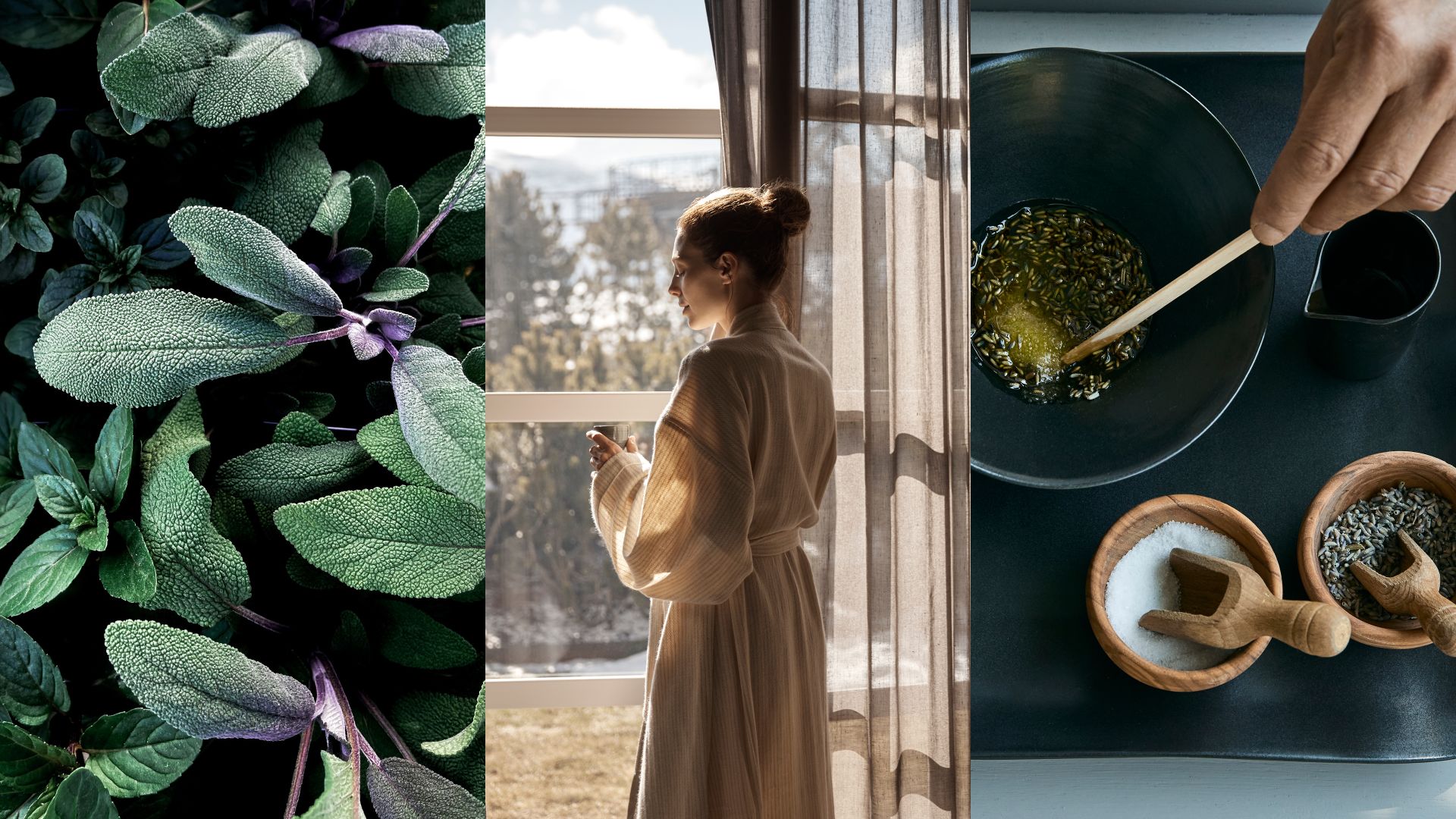
- Here we look at some of the flowers and plants that make the Dolomites special, as well as their uses in COMO Shambhala’s wellness treatments.
- The Alpe di Susi in South Tyrol sits at an elevation of over 1,600 metres and covers over 20 square miles.
- It’s Europe’s largest high-altitude alpine meadow, surrounded by dramatic mountain peaks and rocky outcrops.
- From November to April, this region is blanketed in thick snow, but in summer it transforms into a glory of gentians, edelweiss and orchids.
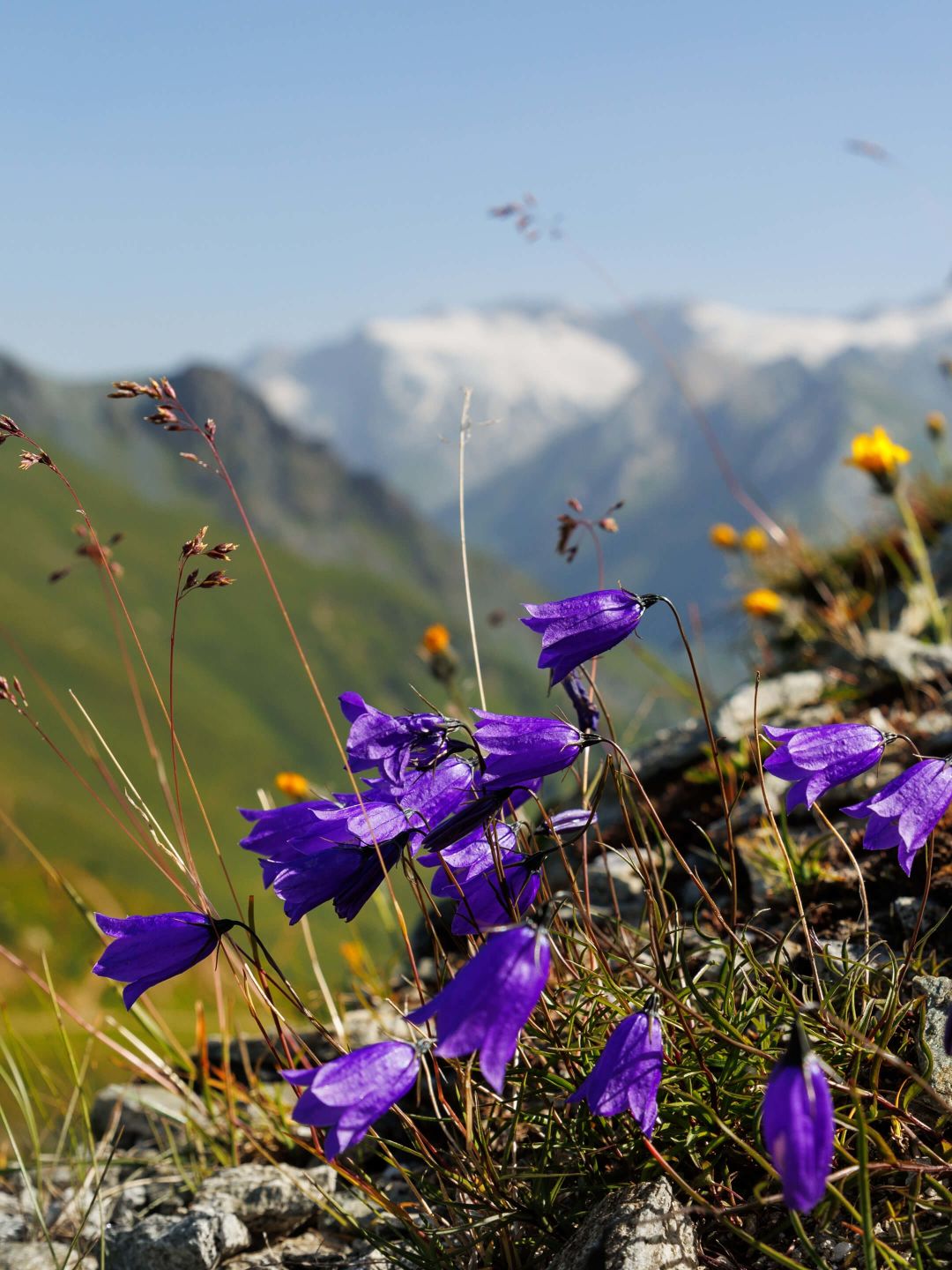
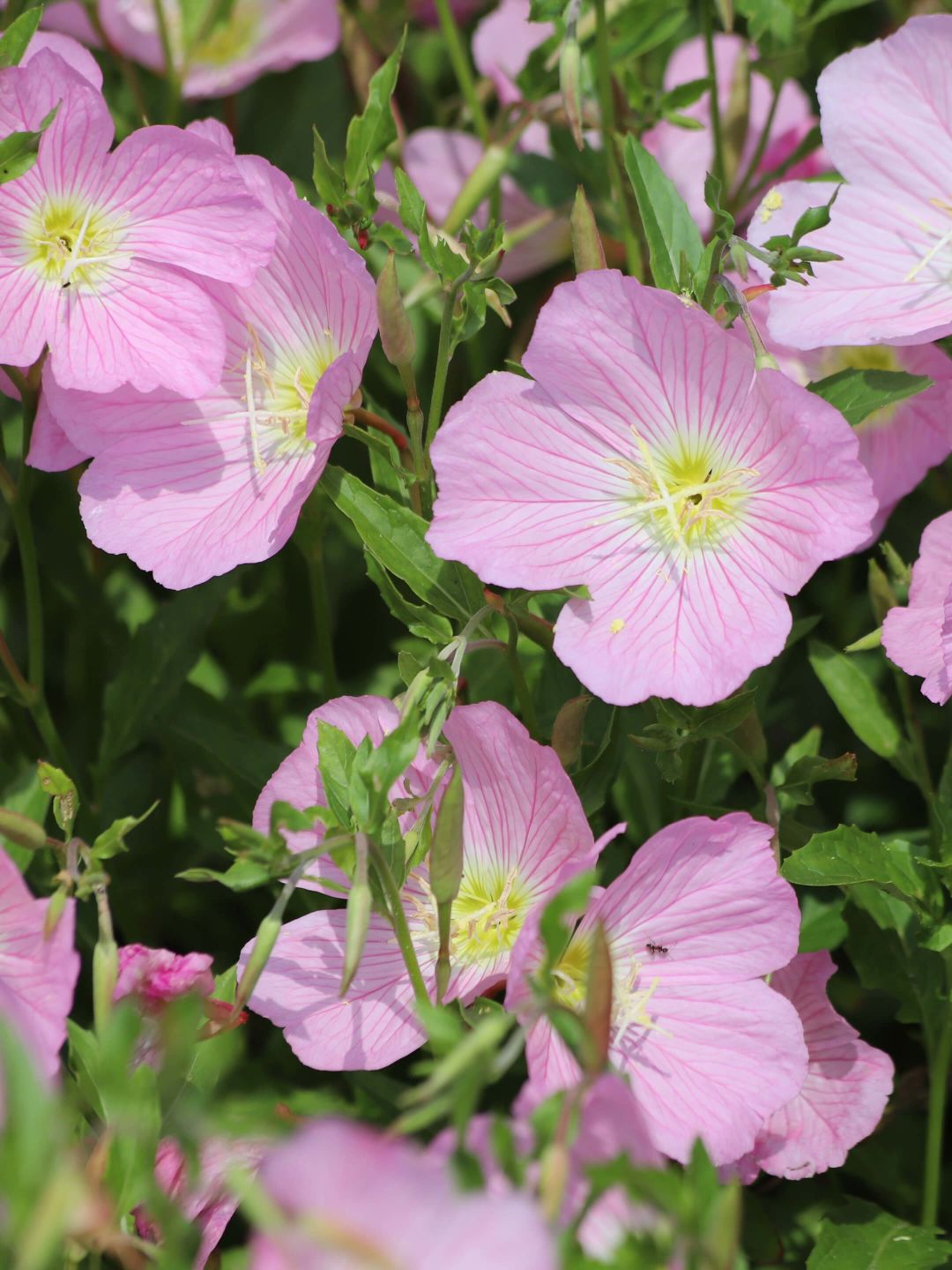
- The significance of this natural environment — home to some 790 plant species — is underscored by the occurrence of endemic plant species including the violet-blue Dolomite bellflower and the pink-petalled Tyrolean primrose.
- But there’s more than just pretty flowers to this alpine meadow.
- It’s also habitat for an array of medicinal herbs and plants, as well as a rich hay-making tradition that has developed over centuries.
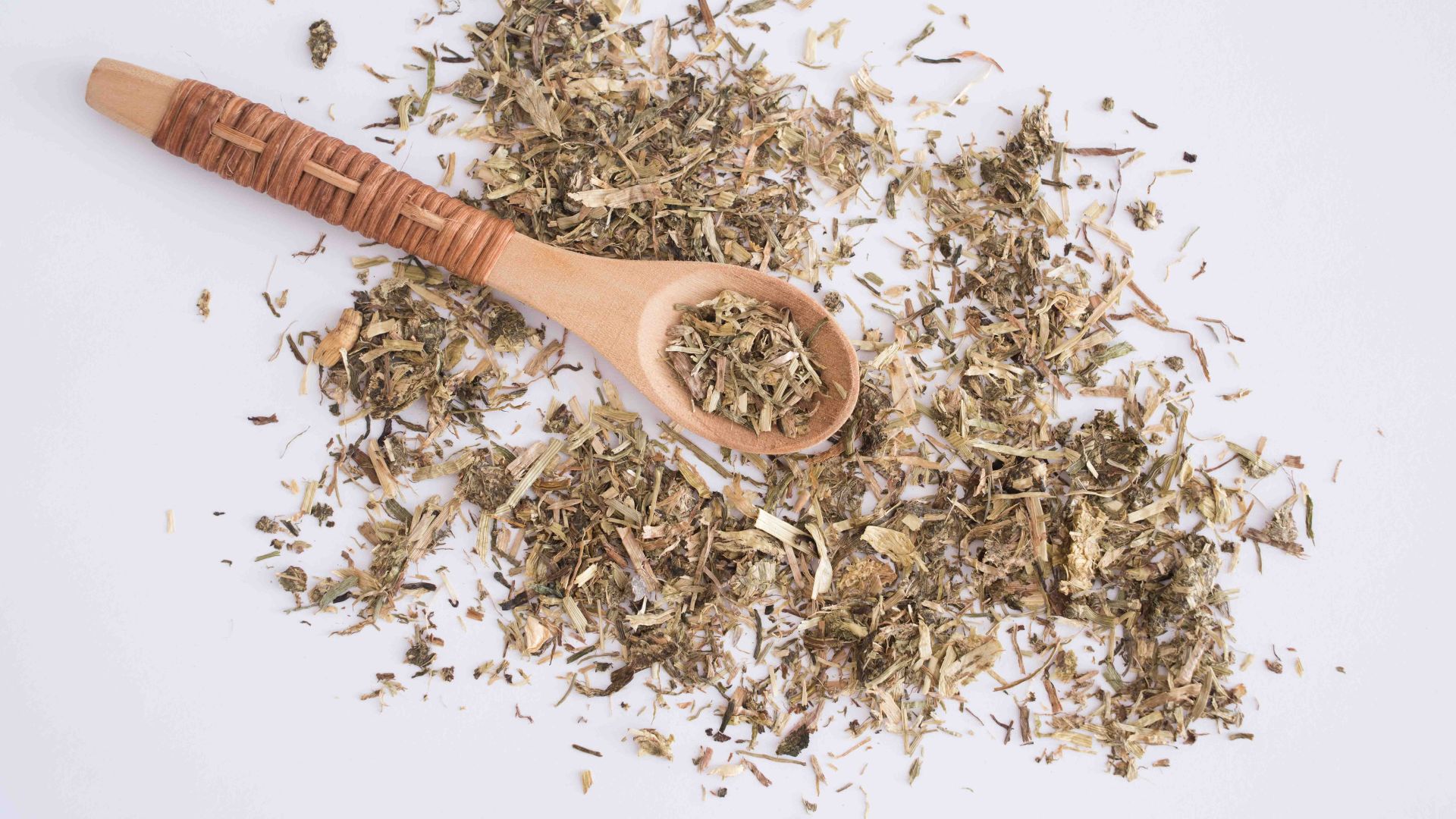
- If you take a summer stroll through the meadows, you’ll probably spot the bright yellow flowers of arnica — widely used in homoeopathic medicine to release tension and soothe muscular aches — as well as wild thyme, verbena, sage and alchemilla.
What this means for readers
Harnessing Nature’s Medicine helps readers understand the topic in context, identify the most important points, and decide whether the subject deserves deeper research.
Frequently asked questions
What is Harnessing Nature’s Medicine about?
Harnessing Nature’s Medicine is based on source material acquired by 4ME TRAVEL and rewritten into a structured editorial format for discovery, context, and traceability.
Why is this topic relevant?
The topic is relevant because it contains practical travel context, destination signals, consumer-interest signals, or planning information that can support editorial discovery.
Does 4ME TRAVEL sell these options directly?
4ME TRAVEL provides editorial discovery and may connect readers with relevant partner offers. Final booking, payment, availability, and service conditions are handled by the selected provider.
Conclusion
Harnessing Nature’s Medicine provides source-based editorial context for readers who want a quick, structured understanding of the topic before continuing their research.


More in Hotel

More in Travel