

Bhutanese Weaving Secrets: Decoding Trima and Hor Techniques
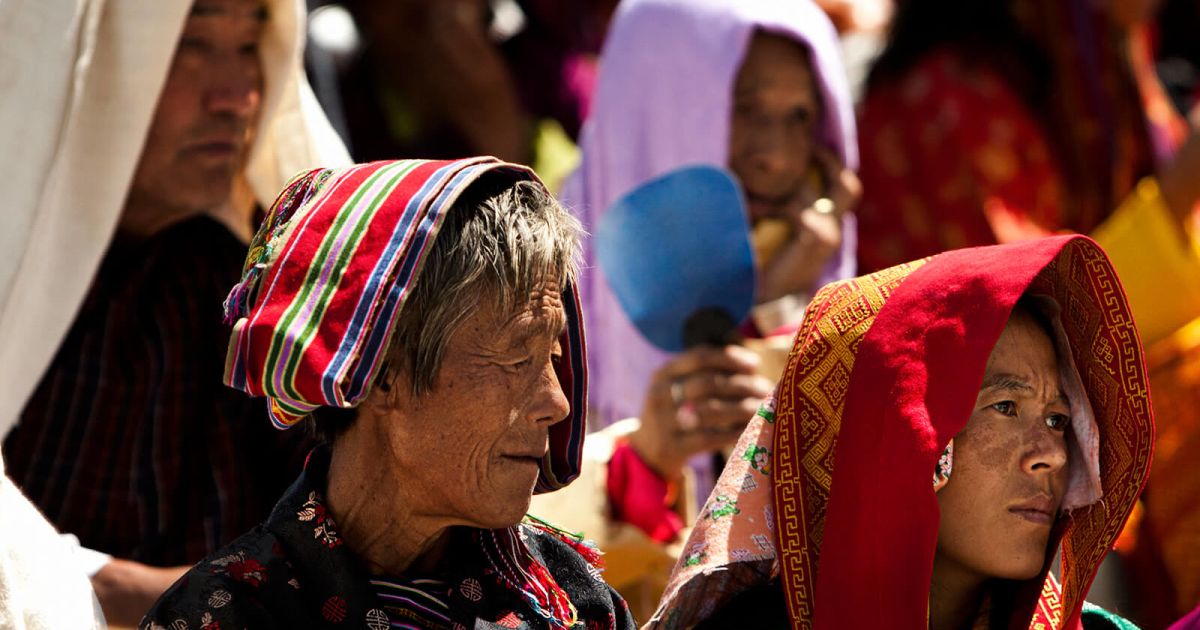
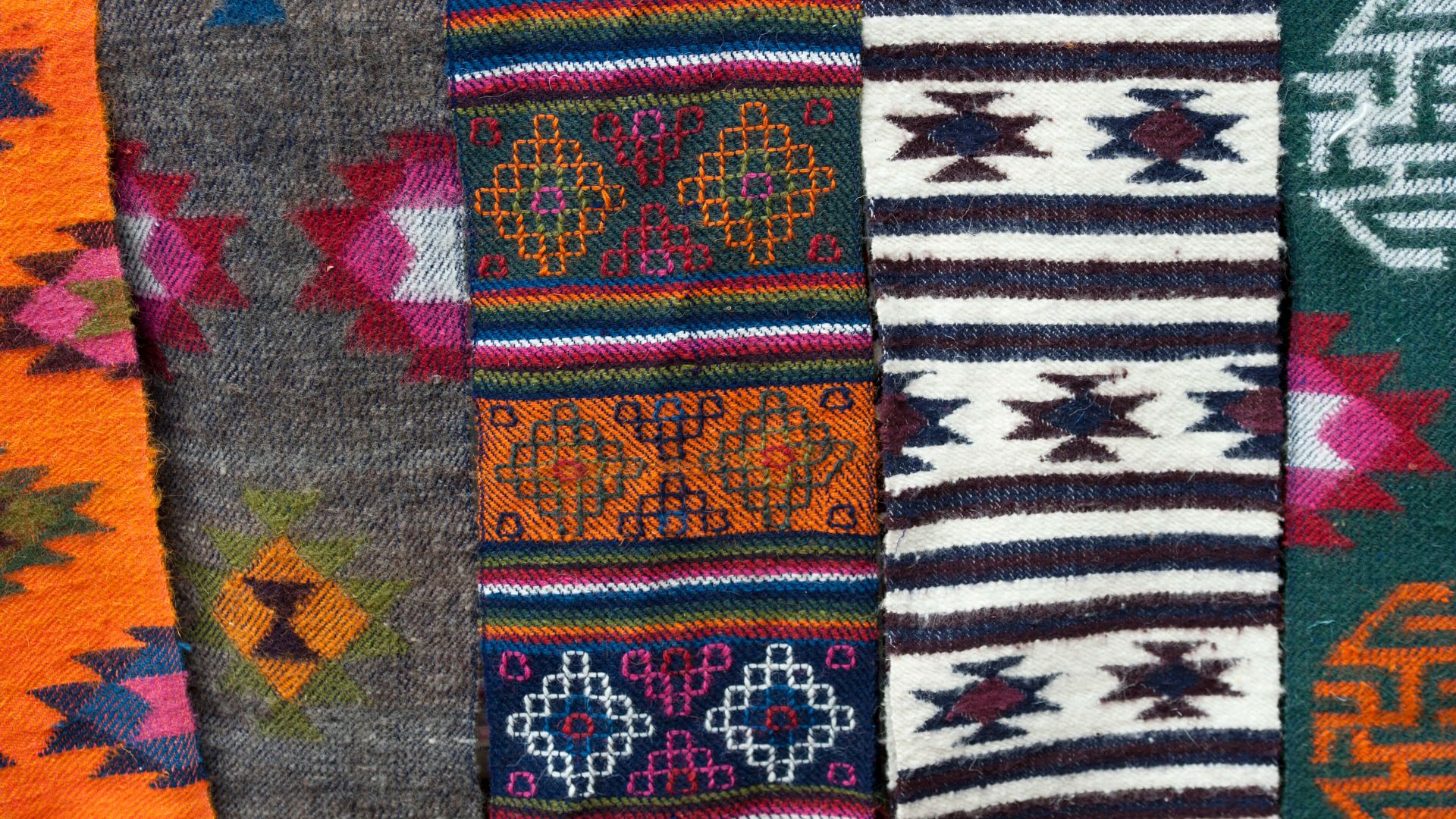
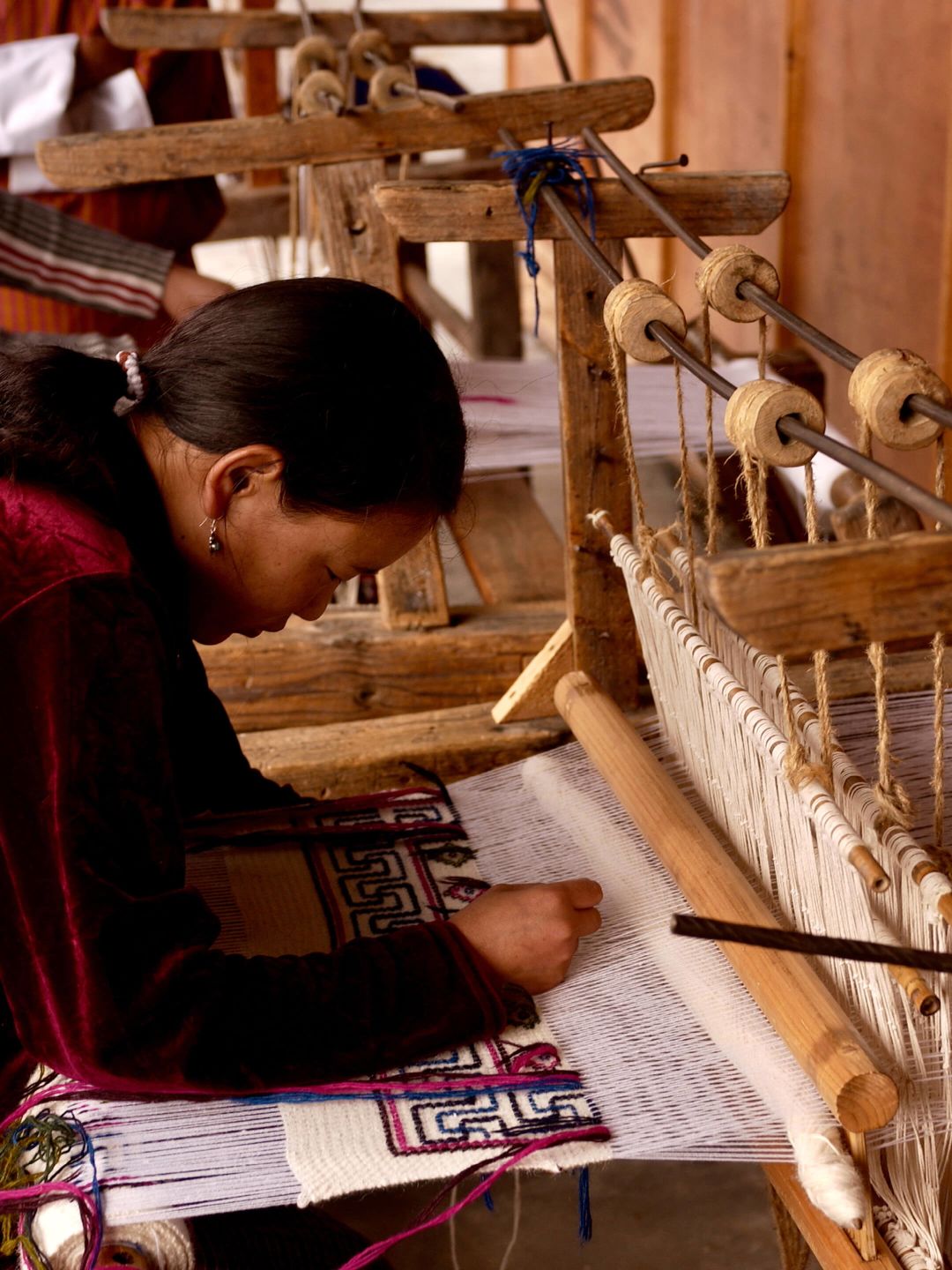
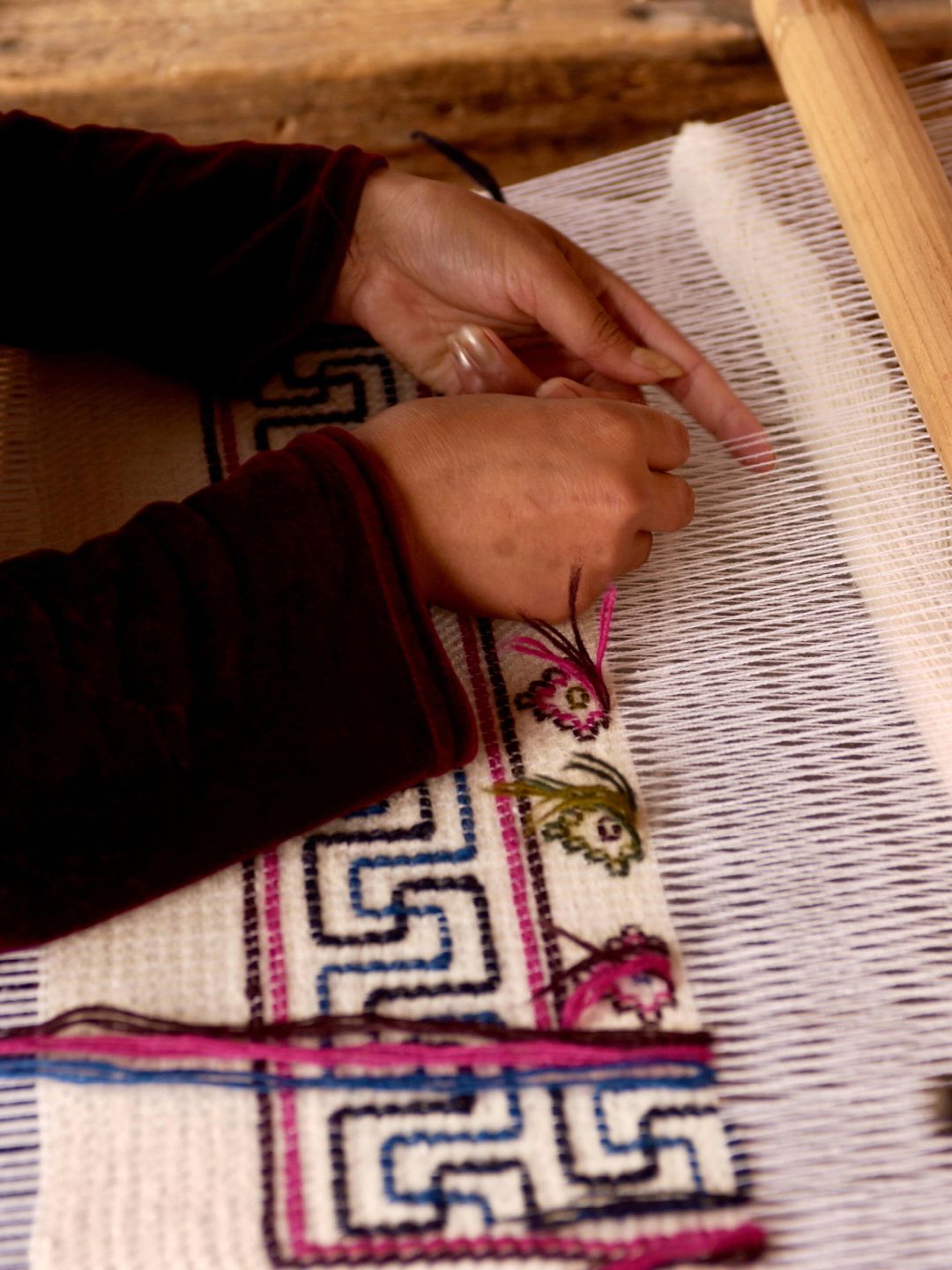
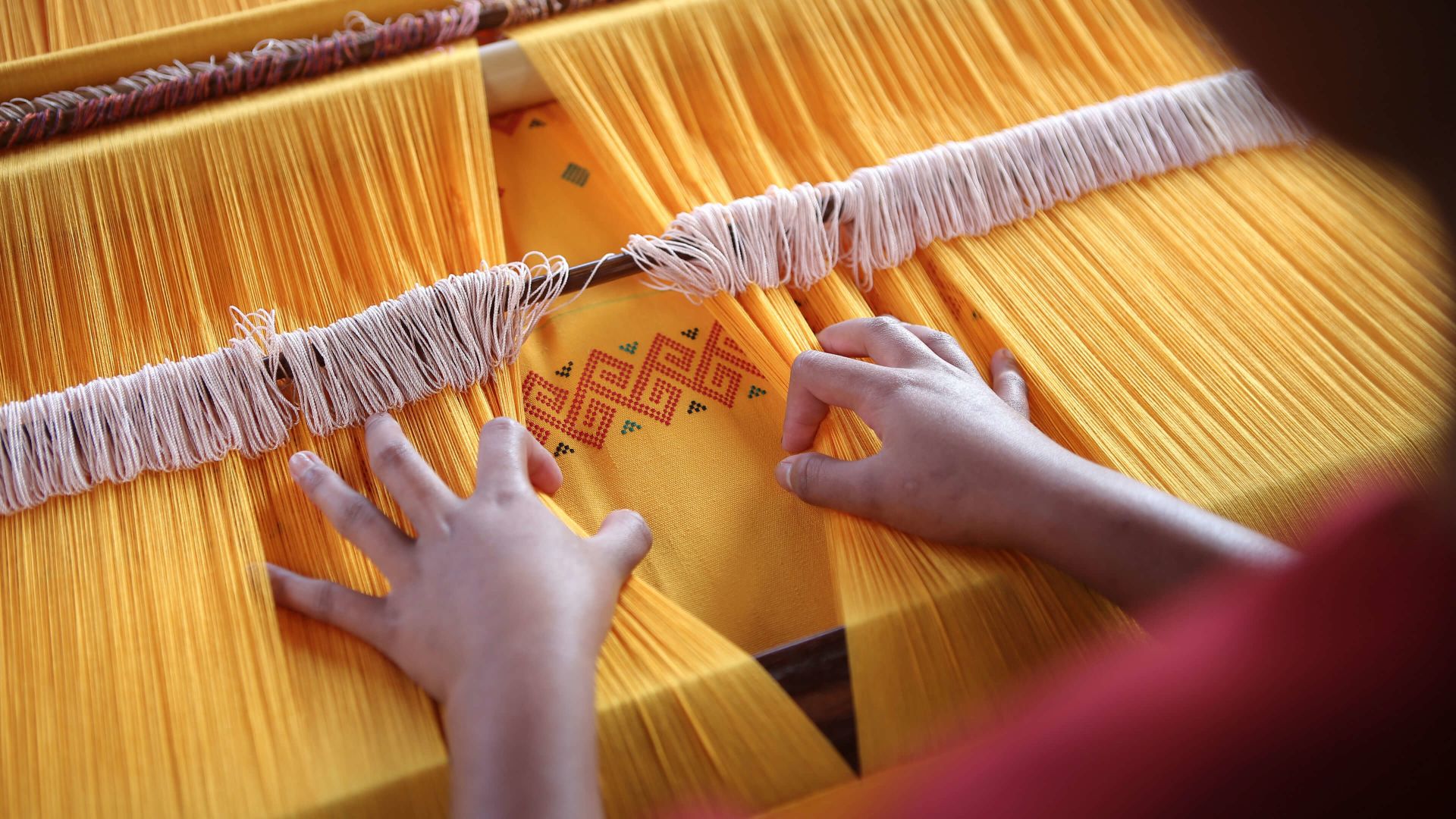
Weaving is the main source of income for most Bhutanese women. Their products range from everyday items to highly intricate embroidery. The most famous textiles regions are in East and Central Bhutan, with a huge variety of patterns and compositions created using specialised materials; cotton and nettles in Trongsa, sheep and yak wool in Bumthang, and in many districts, silk and raw silk imported from nearby India. Every design is profoundly influenced by Bhutan’s relationship with nature and religion, exemplified by the Trima and Hor weaving methods, and the symbols woven into each.
Secret Symbols overview
Weaving is the main source of income for most Bhutanese women. Their products range from everyday items to highly intricate embroidery. The most famous textiles regions are in East and Central Bhutan, with a huge variety of patterns and compositions created using specialised materials; cotton and nettles in Trongsa, sheep and yak wool in Bumthang, and in many districts, silk and raw silk imported from nearby India. Every design is profoundly influenced by Bhutan’s relationship with nature and religion, exemplified by the Trima and Hor weaving methods, and the symbols woven into each.
Important details from the source
- Bhutan is famous for the quality of its textiles, from traditional ghos to richly woven blankets and scarves.
- Weaving is part of bhutan’s cultural heritage; tradition and identity are worked into every cloth through hidden meanings, from auspicious motifs to emblems of purity.
- Here, we share our guide to decoding the symbols behind two of bhutan’s most famous weaving techniques.
- Weaving is the main source of income for most Bhutanese women.
- Their products range from everyday items to highly intricate embroidery.
- Every design is profoundly influenced by Bhutan’s relationship with nature and religion, exemplified by the Trima and Hor weaving methods, and the symbols woven into each.
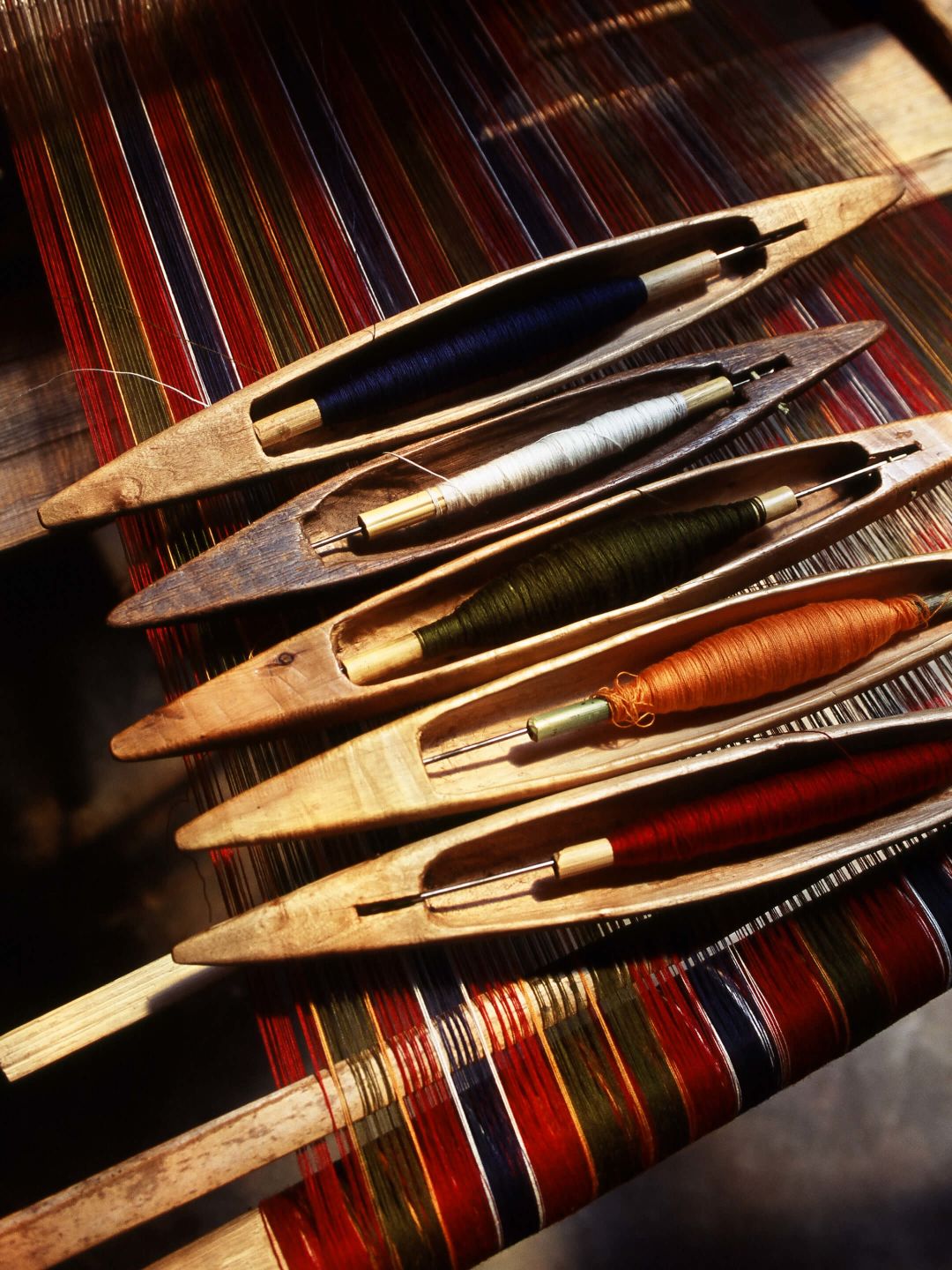
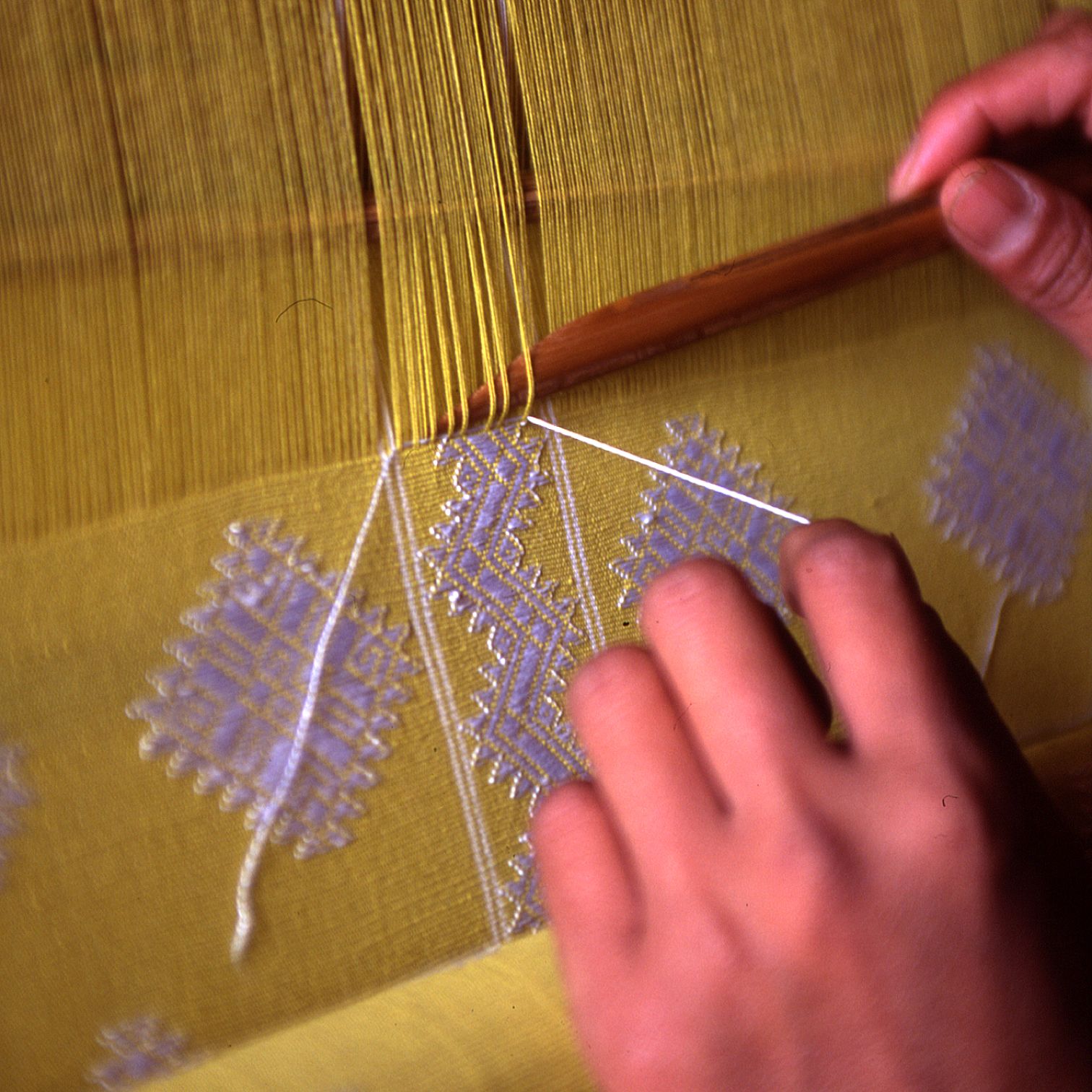
- Trima, literally translating to ‘coiling the warp’, is a distinctively Bhutanese weaving technique.
- First of all, the textile is woven and embellished with long, horizontal lines closely resembling embroidery.
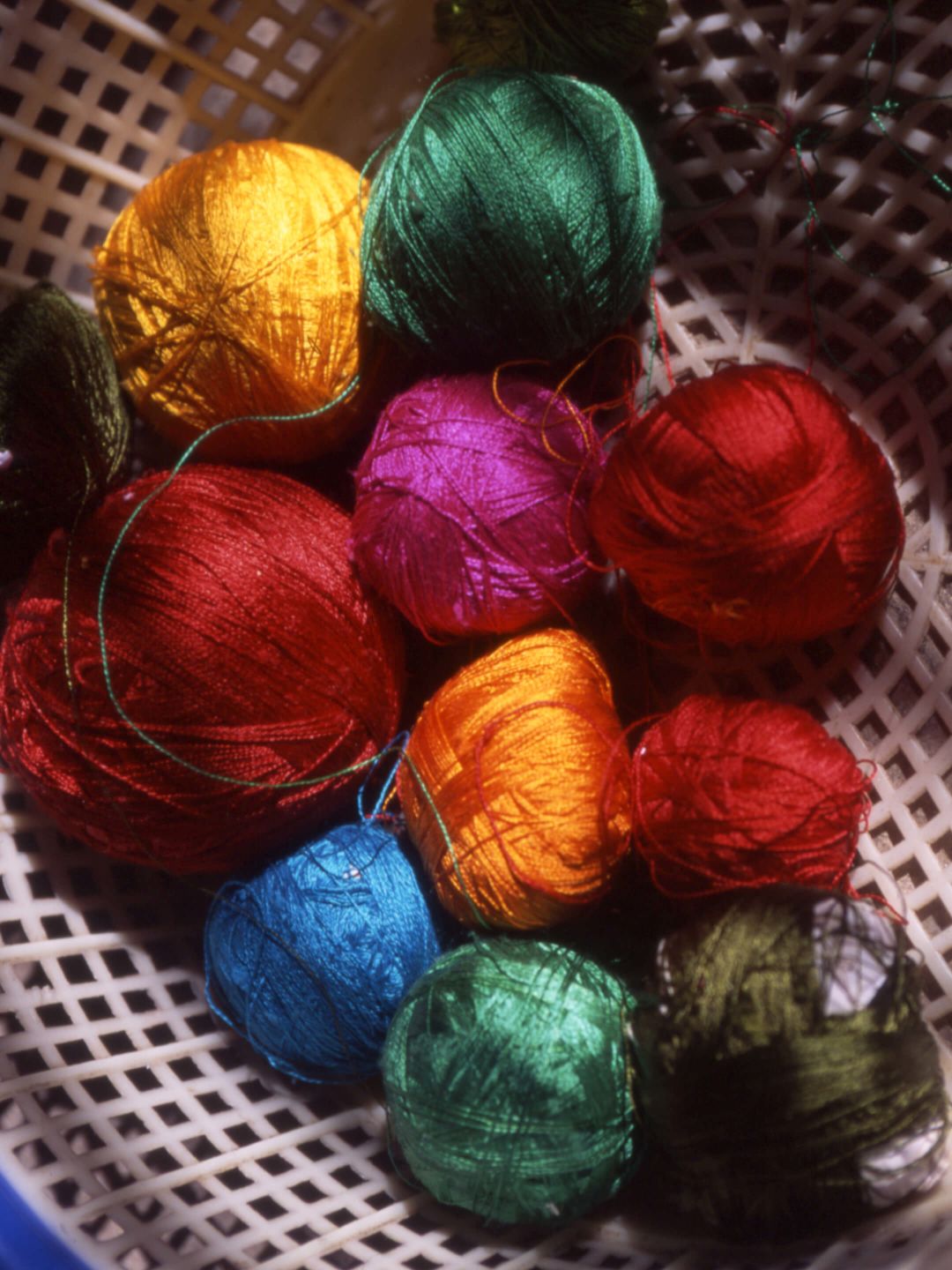
- Afterwards individual silk threads are meticulously tied, intertwining extra weft yarns within the main weave to create motifs raised above the rest of the cloth.
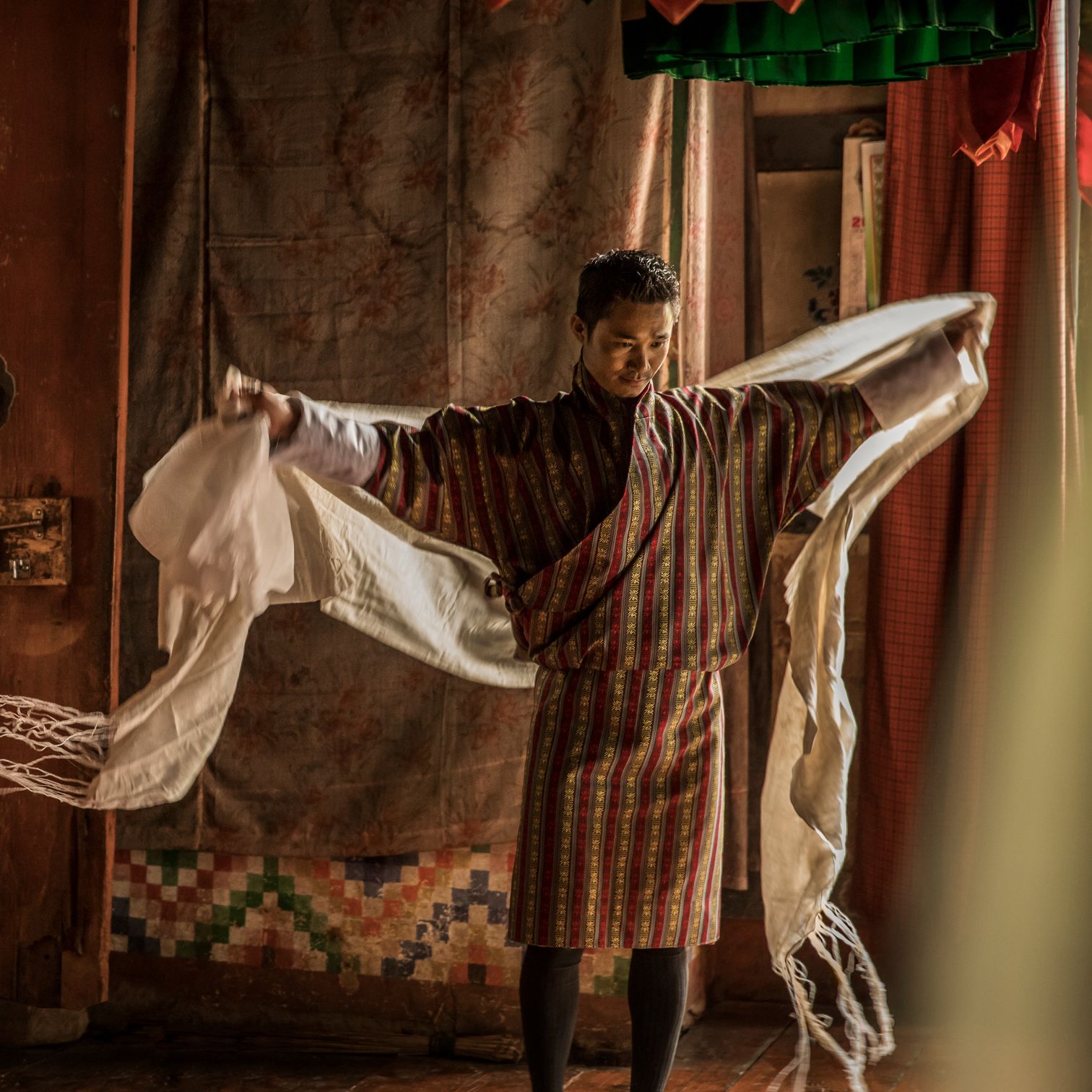
- Trima is primarily used as a technique for weaving Kushuthara — Bhutan’s ‘Black Tie’ equivalent — worn only on special occasions such as festivals or weddings.
How to use this guide
Use this guide as a structured discovery starting point. Compare the listed options by travel style, season, location, time available, and practical booking needs before making a final decision.
Best for
- Readers comparing several destinations, places, or ideas in one topic.
- Travellers who want inspiration before narrowing down the final plan.
- Users who need a fast overview before checking detailed offers or local conditions.
Things to check before deciding
- Current prices, availability, opening times, and travel conditions.
- Seasonality, weather, local holidays, and peak demand periods.
- Distance from the main arrival point, accommodation area, or planned route.
- Whether the option matches the traveller’s budget, pace, and expectations.
Frequently asked questions
How should I use Secret Symbols?
Use it to compare options, identify the most relevant ideas, and decide which places or services need deeper research before booking.
Is this guide enough for final planning?
No. A guide is a planning layer. Final planning should include current prices, availability, travel dates, local conditions, and provider terms.
Does 4ME TRAVEL sell these options directly?
4ME TRAVEL provides editorial discovery and may connect readers with relevant partner offers. Final booking, payment, availability, and service conditions are handled by the selected provider.
Conclusion
Secret Symbols is useful as a comparison starting point. The safest approach is to shortlist the most relevant options, then verify current conditions and booking details before making a final choice.


More in Hotel

More in Travel