

Exploring Punakha: Three Days of Bhutanese Culture and Adventure
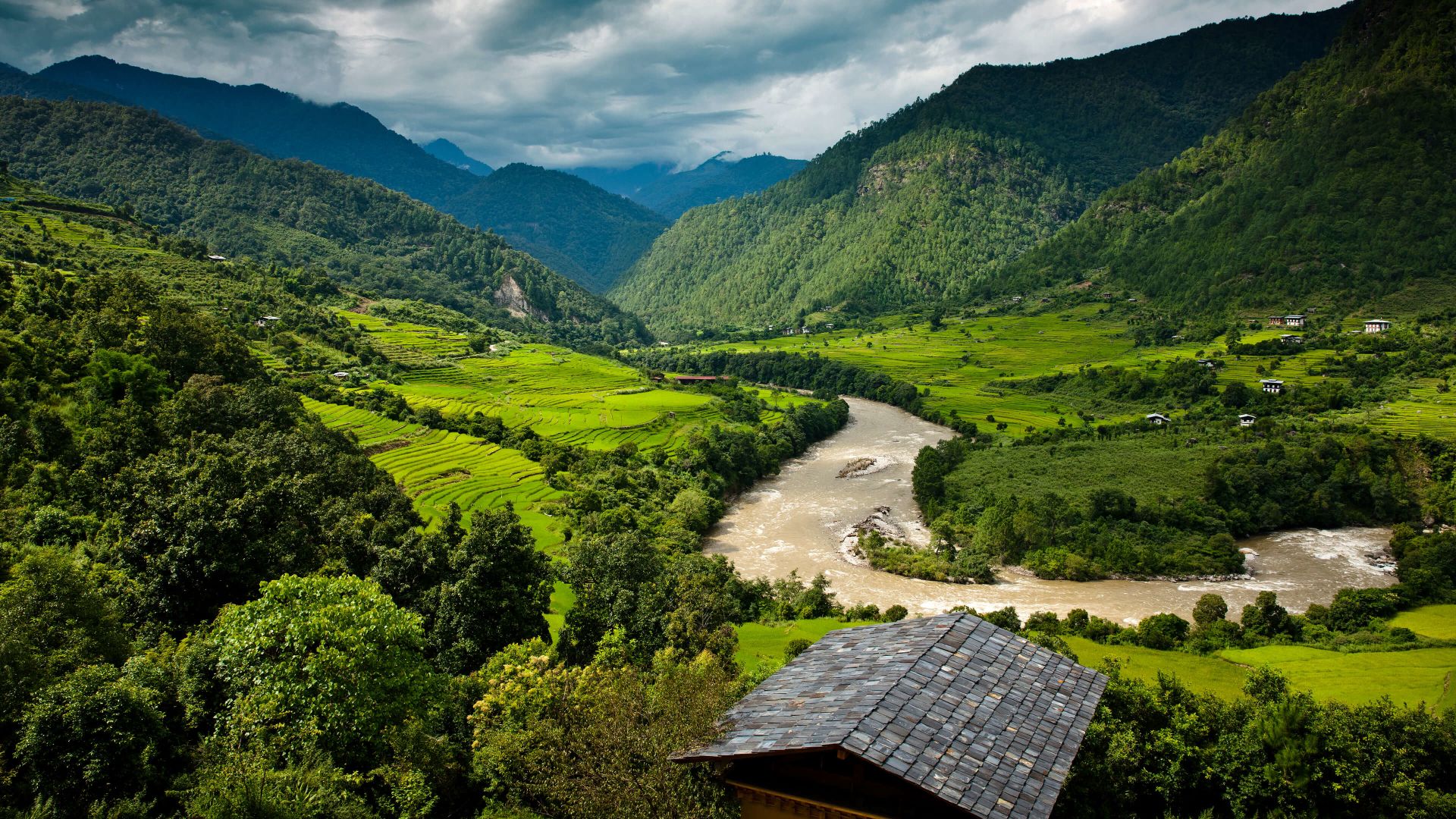
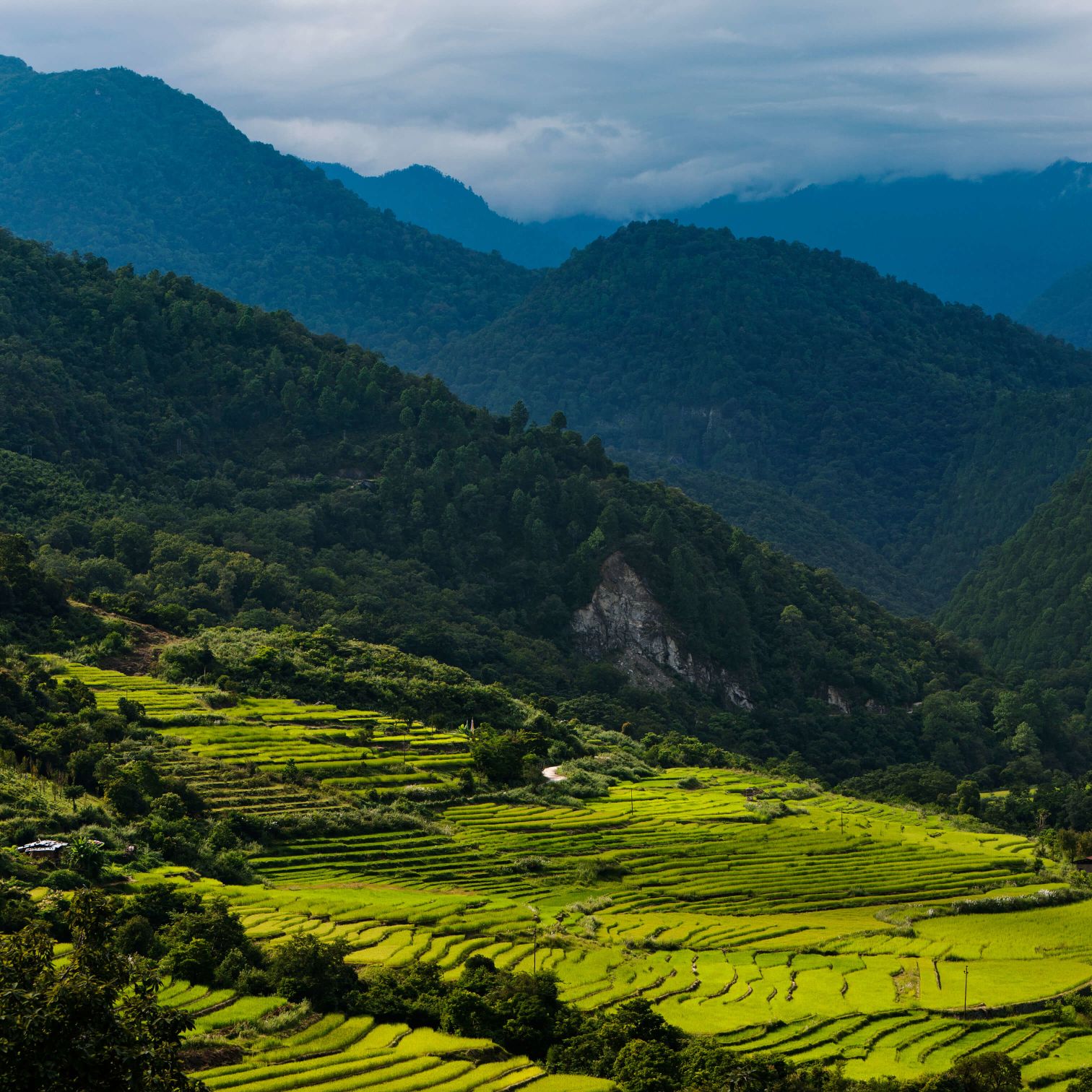
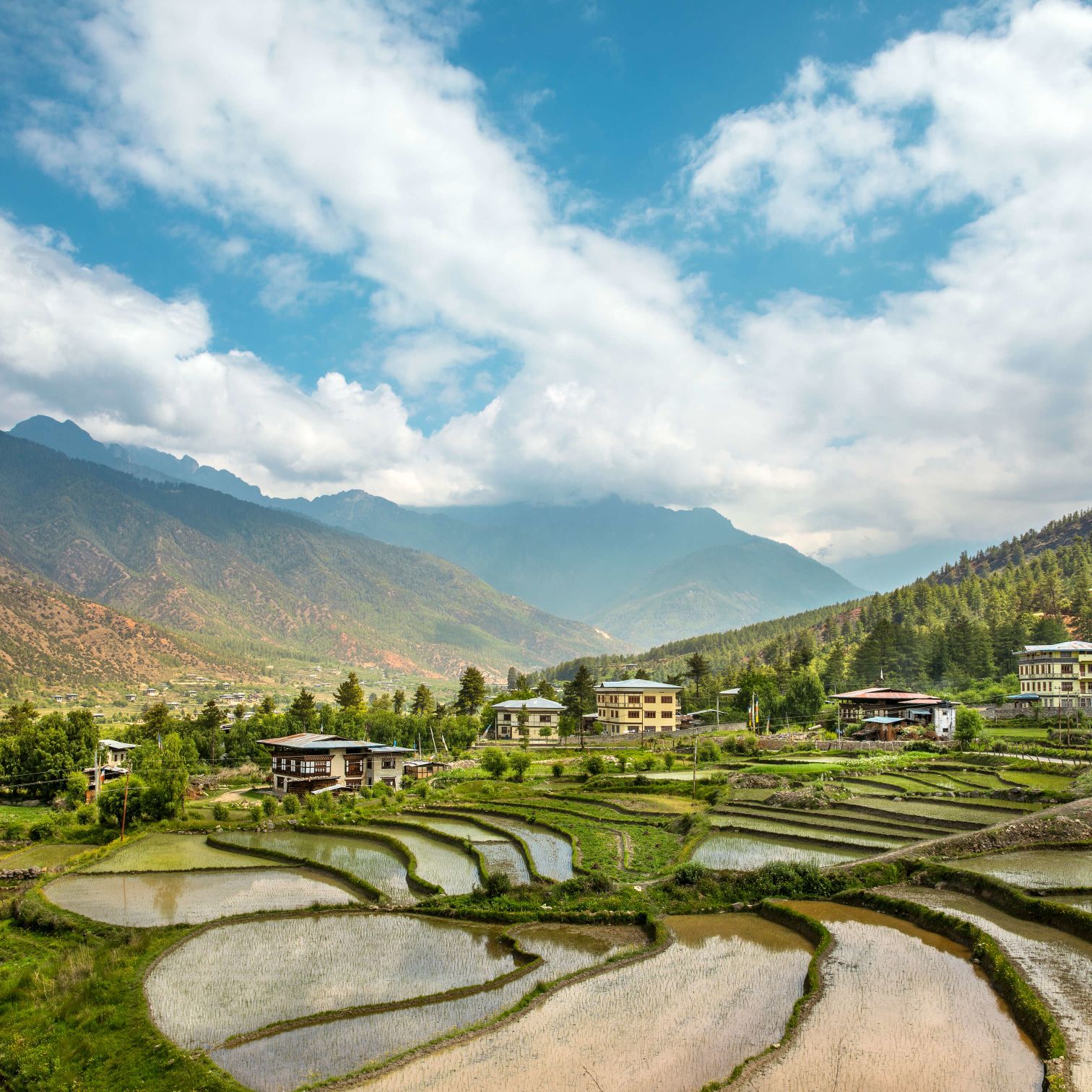
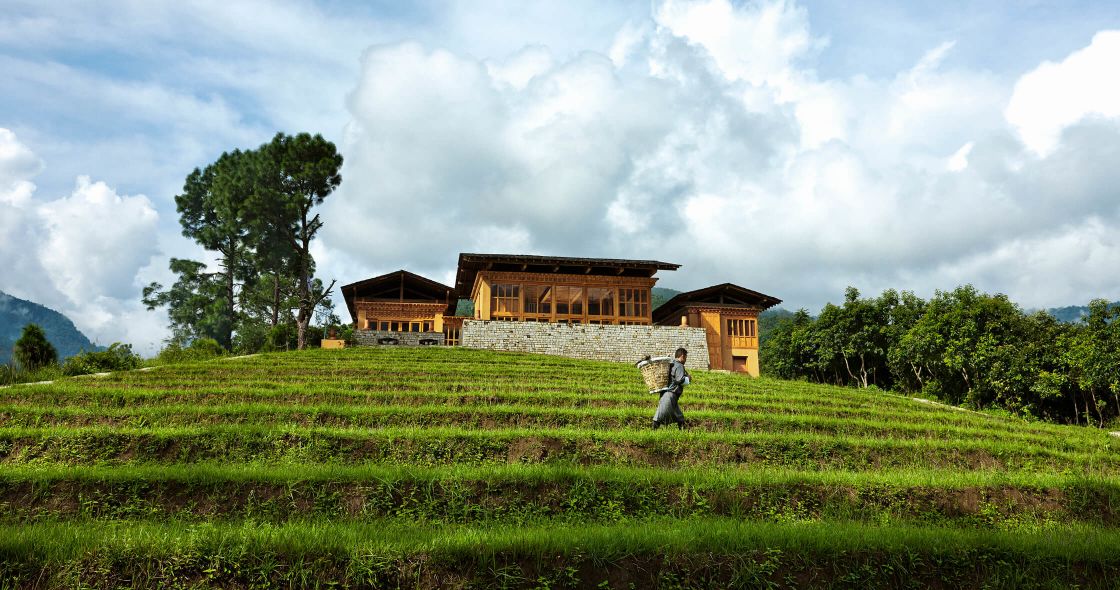
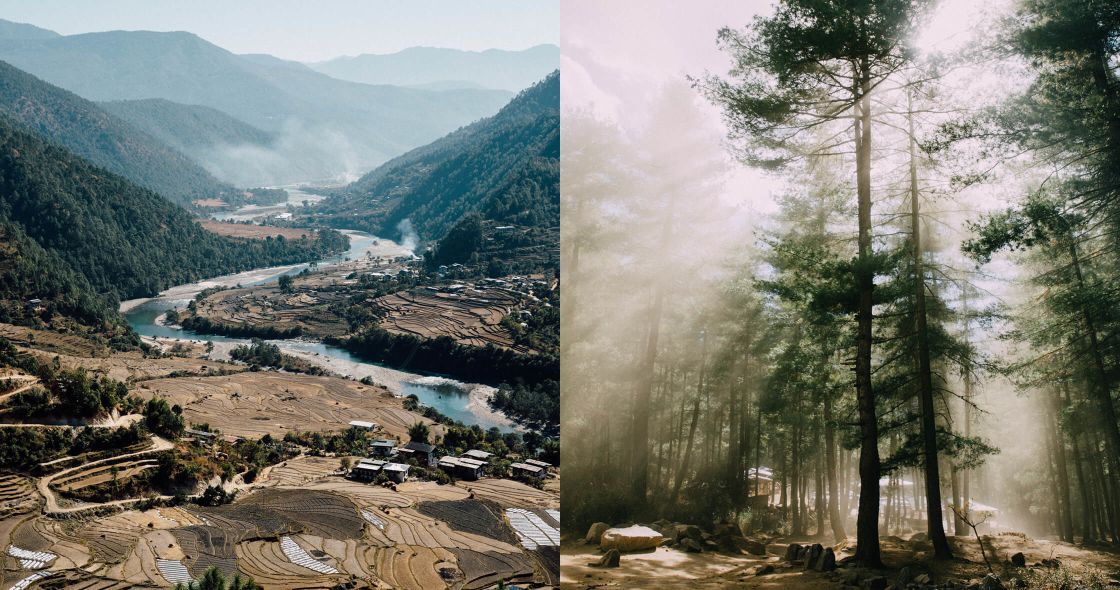
When Bhutan was unified in the 17th century, Punakha was chosen as the country’s capital, and remained so for over 300 years until the 1950s. The area also has a rich agrarian tradition with the hillsides blanketed with rice paddies and orchards. We have designed three perfect days at COMO Uma Punakha to help you make the most of your stay, from visiting Punakha Dzong to white-water rafting down the Mo Chhu River.
Punakha overview
When Bhutan was unified in the 17th century, Punakha was chosen as the country’s capital, and remained so for over 300 years until the 1950s. The area also has a rich agrarian tradition with the hillsides blanketed with rice paddies and orchards. We have designed three perfect days at COMO Uma Punakha to help you make the most of your stay, from visiting Punakha Dzong to white-water rafting down the Mo Chhu River.
Important details from the source
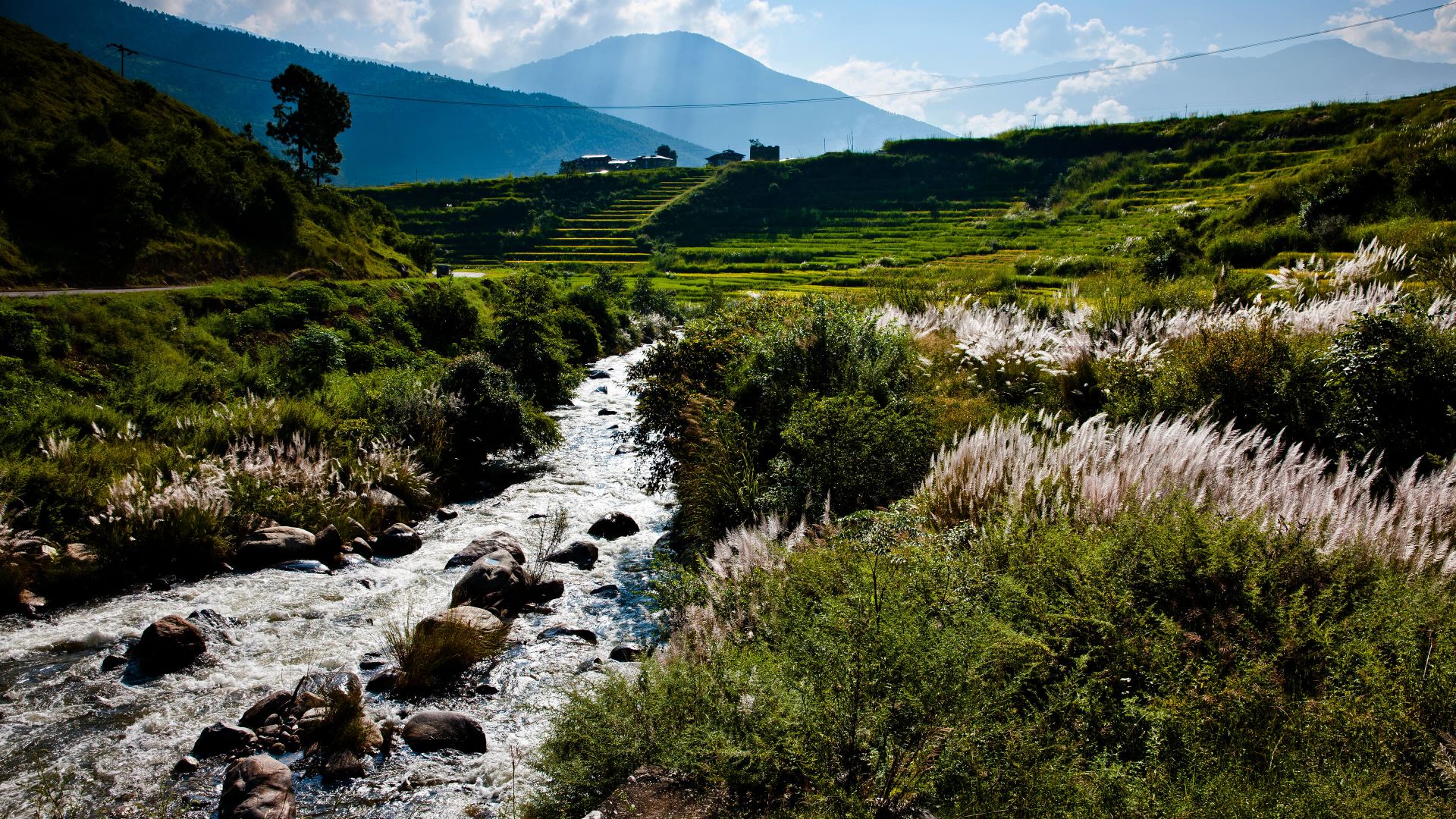
- Punakha is one of western Bhutan’s most culturally significant locations, due to its strategic position at the confluence of the Mo Chhu and Pho Chhu rivers.
- When Bhutan was unified in the 17th century, Punakha was chosen as the country’s capital, and remained so for over 300 years until the 1950s.
- The area also has a rich agrarian tradition with the hillsides blanketed with rice paddies and orchards.
- We have designed three perfect days at COMO Uma Punakha to help you make the most of your stay, from visiting Punakha Dzong to white-water rafting down the Mo Chhu River.
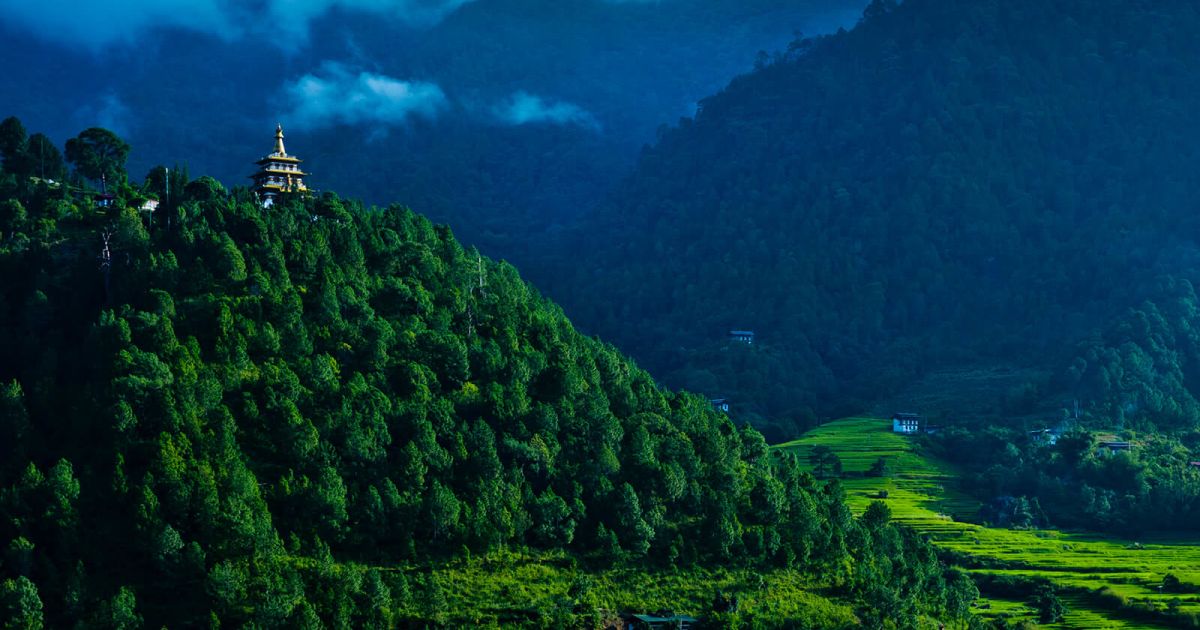
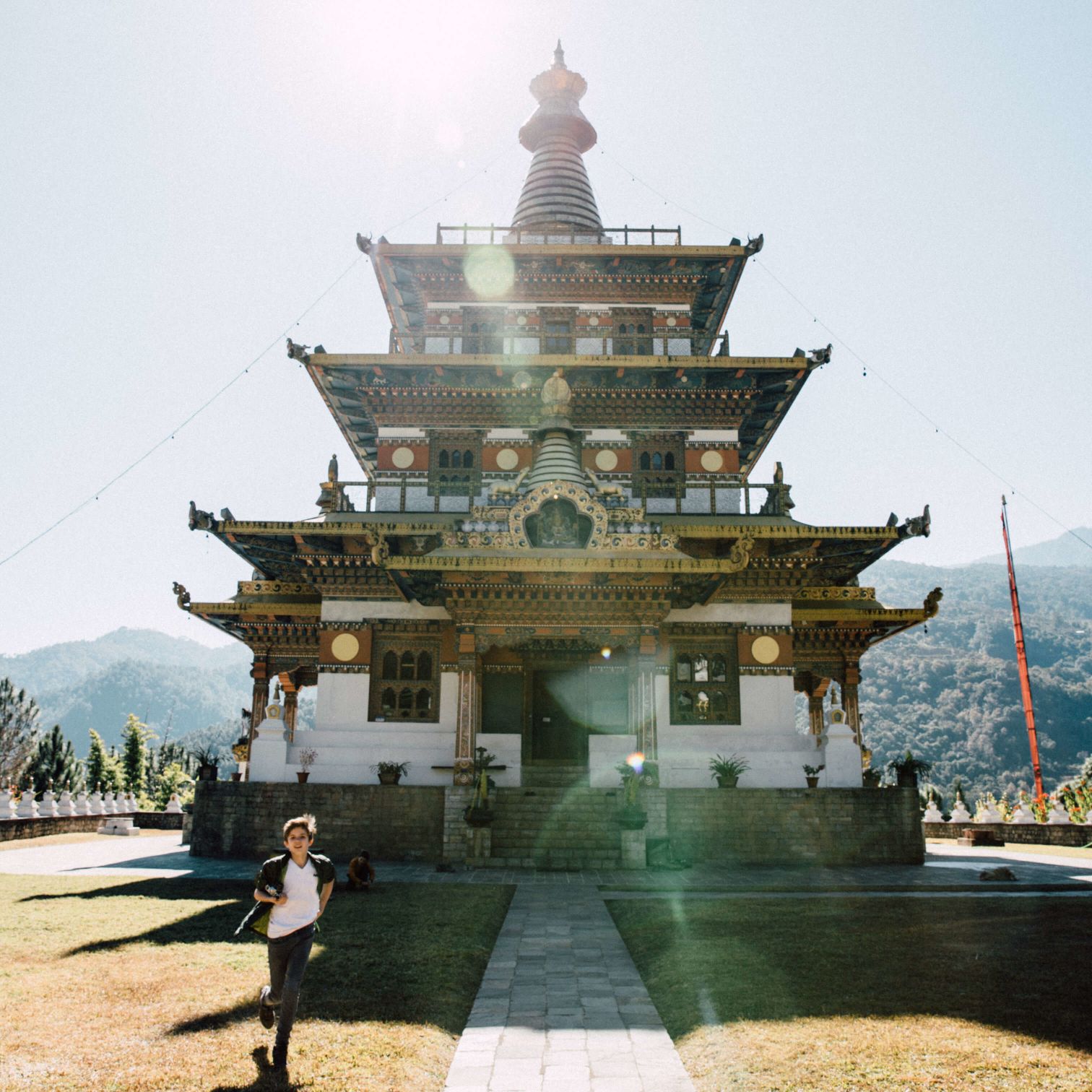
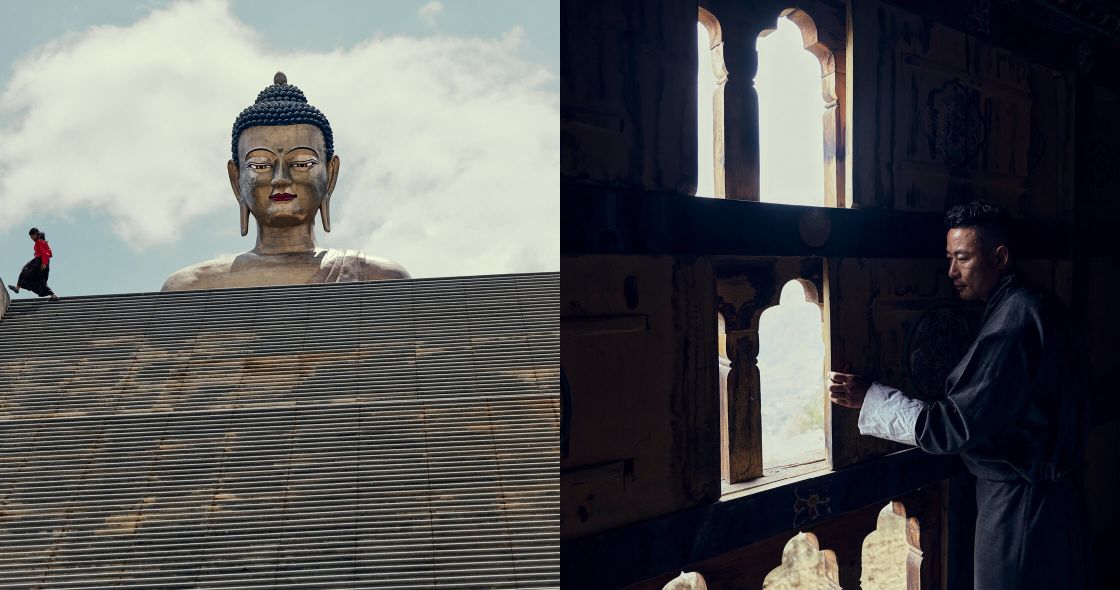
- After settling into the lodge and enjoying some refreshments, set off on a gentle hike to the Khamsum Yulley Namgyal Chorten, built in 2004 by Bhutan’s Queen Mother to represent peace and harmony.
- The chorten is stacked in three gleaming tiers, and painted with Buddhist symbols and legends — look out especially for the protector deity riding a yeti.
- There are also far-reaching views over the Punakha Valley.
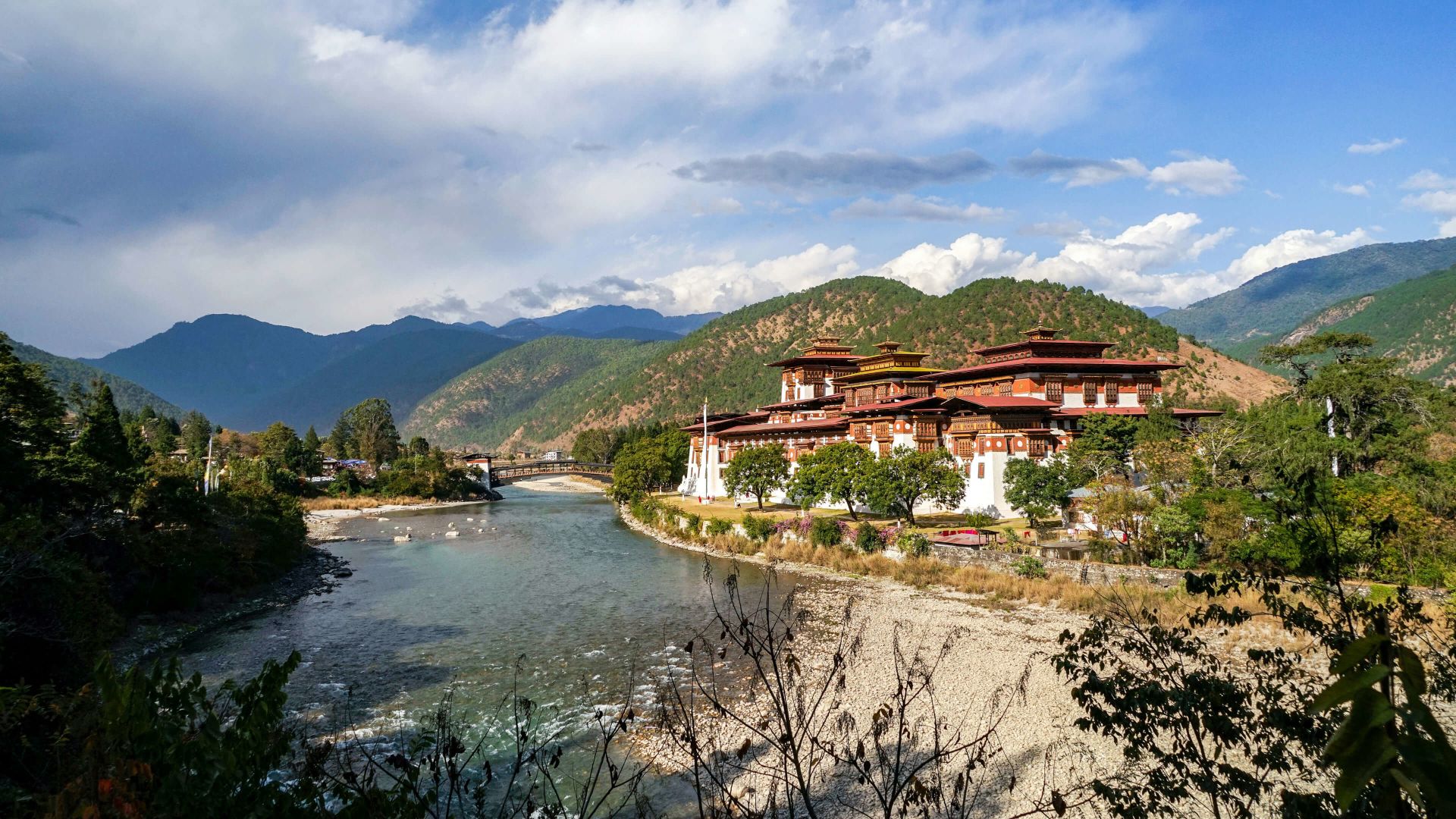
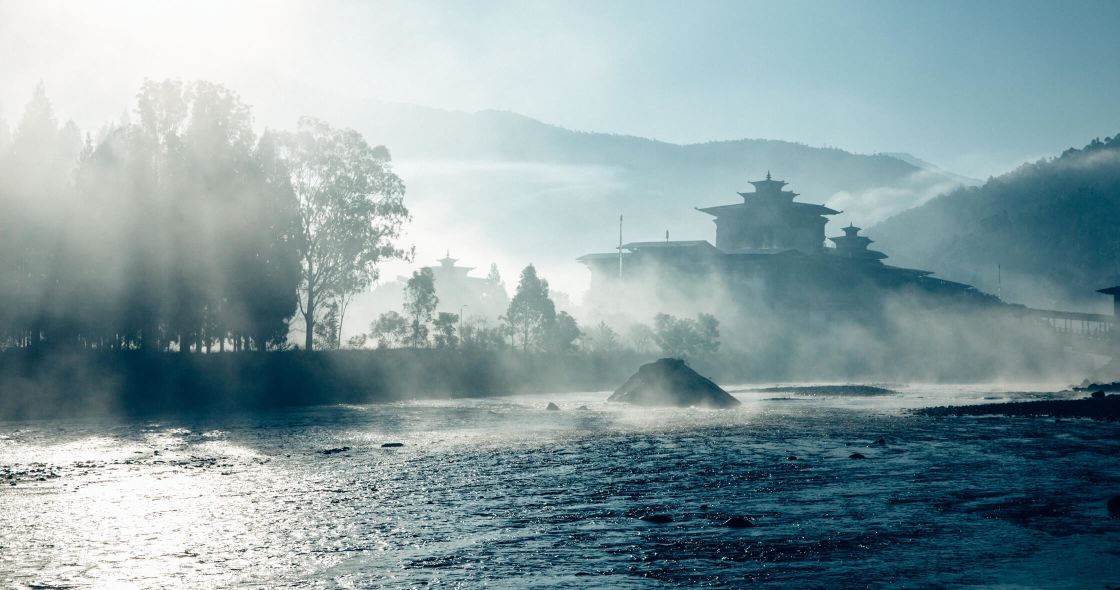
- Next, take a trip to Punakha Dzong, a twenty-minute drive away.
- This fortified monastery was established in 1637 as a fortress and administrative centre by Zhabdrung Ngawang Namgyel, the Tibetan lama who unified Bhutan in the 17th century.
- The dzong served as the seat of government as well as the religious headquarters of Bhutan.
How to use this guide
Use this guide as a structured discovery starting point. Compare the listed options by travel style, season, location, time available, and practical booking needs before making a final decision.
Best for
- Readers comparing several destinations, places, or ideas in one topic.
- Travellers who want inspiration before narrowing down the final plan.
- Users who need a fast overview before checking detailed offers or local conditions.
Things to check before deciding
- Current prices, availability, opening times, and travel conditions.
- Seasonality, weather, local holidays, and peak demand periods.
- Distance from the main arrival point, accommodation area, or planned route.
- Whether the option matches the traveller’s budget, pace, and expectations.
Frequently asked questions
How should I use Punakha?
Use it to compare options, identify the most relevant ideas, and decide which places or services need deeper research before booking.
Is this guide enough for final planning?
No. A guide is a planning layer. Final planning should include current prices, availability, travel dates, local conditions, and provider terms.
Does 4ME TRAVEL sell these options directly?
4ME TRAVEL provides editorial discovery and may connect readers with relevant partner offers. Final booking, payment, availability, and service conditions are handled by the selected provider.
Conclusion
Punakha is useful as a comparison starting point. The safest approach is to shortlist the most relevant options, then verify current conditions and booking details before making a final choice.


More in Hotel


More in Travel