



Discovering the Intricate Art of Thai Desserts
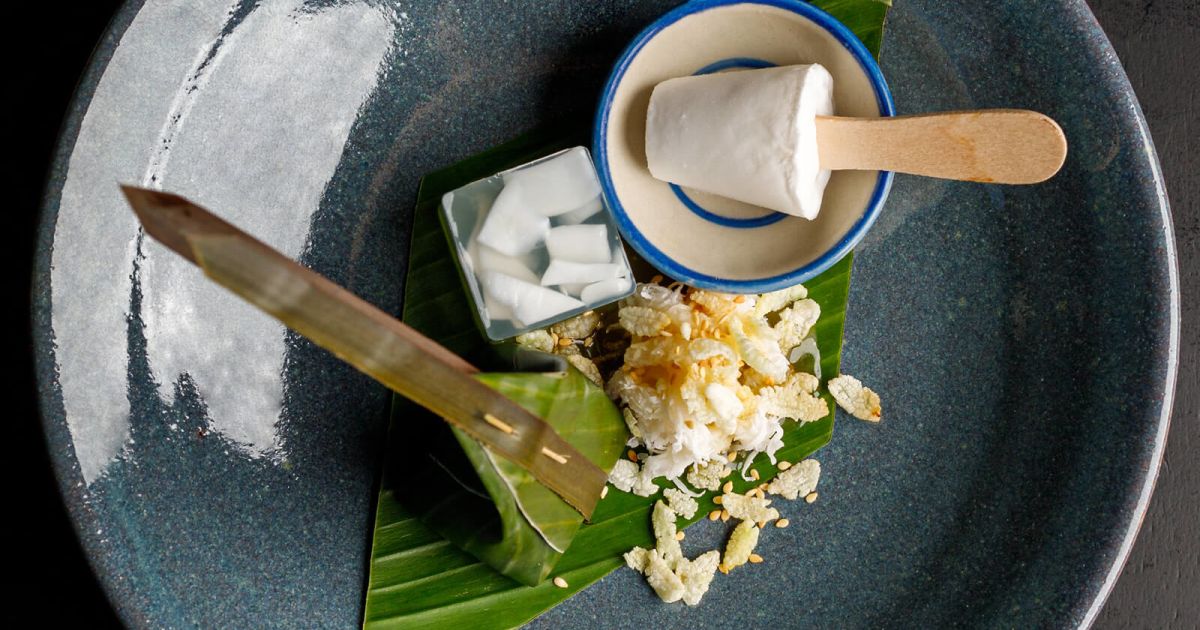
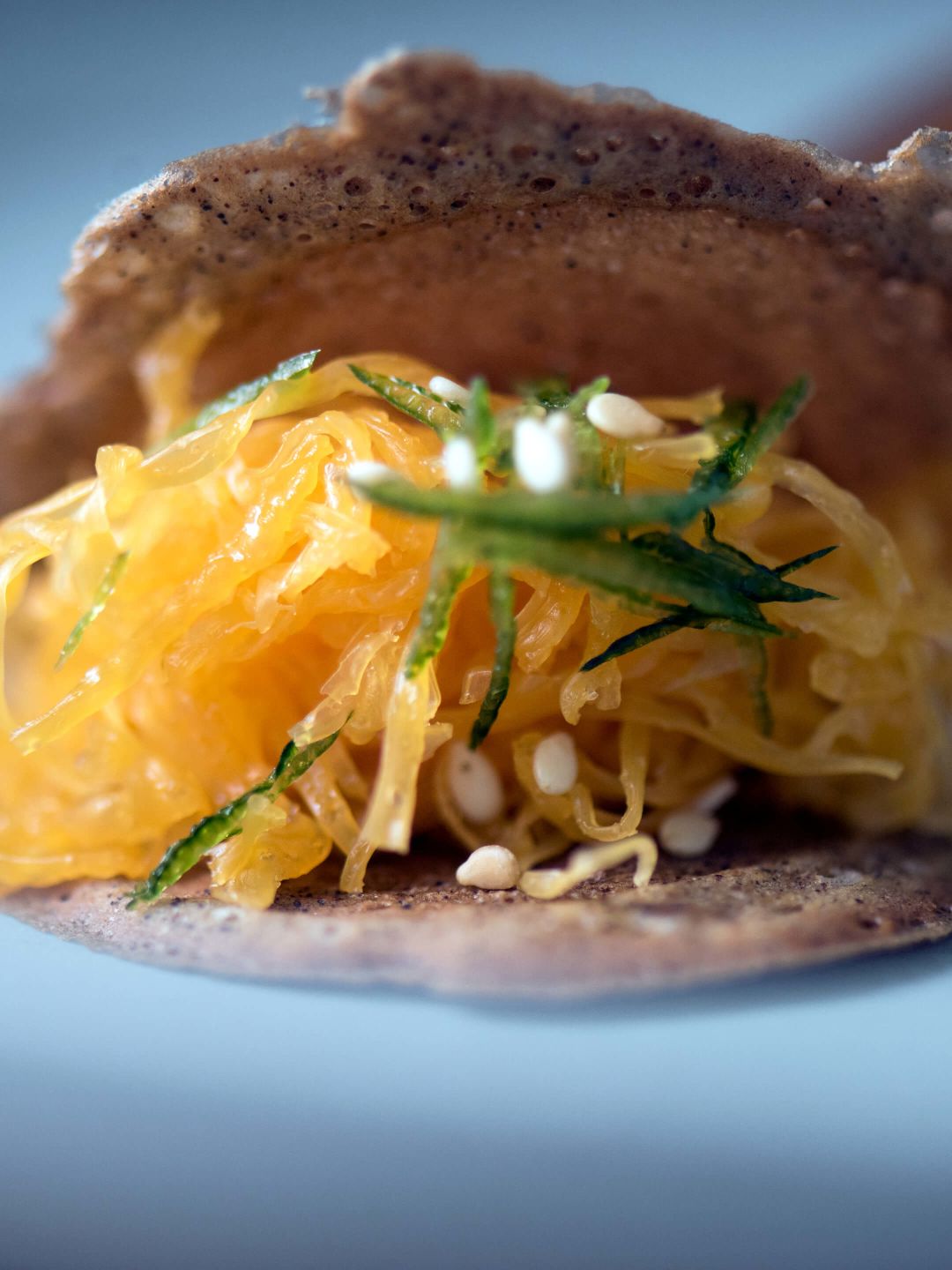
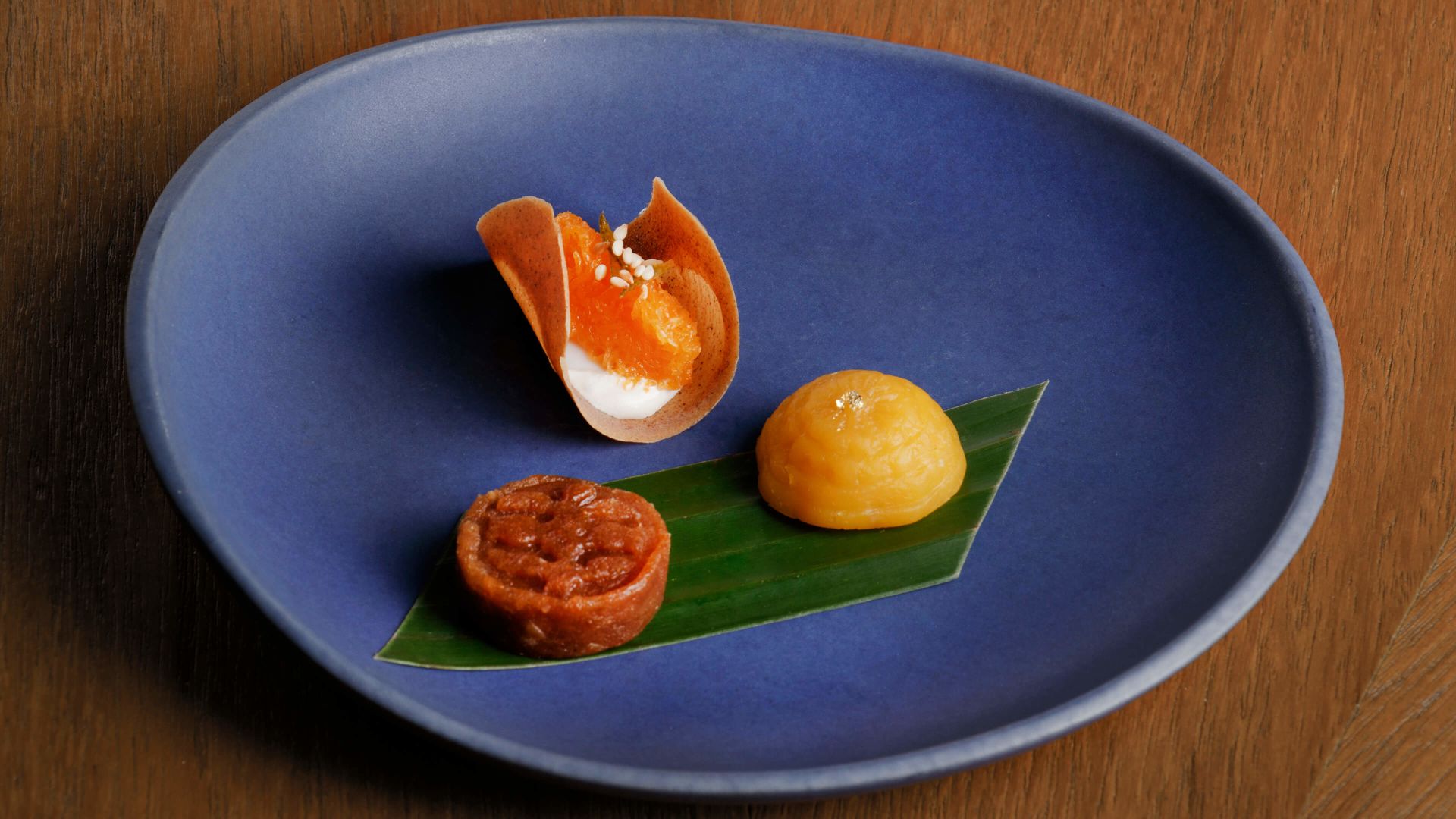
Desserts hold significant cultural importance in Thai cuisine and traditions. Sculpted into intricate designs and vibrant colours, they’re traditionally served at important events such as Songkran (Thai New Year), or the annual Loy Krathong (Festival of Lights). They’re also whipped up for wedding ceremonies, important guests, and as religious offerings. Individual family recipes are a point of pride, closely guarded through generations and representative of cooking techniques and flavour combinations learned over centuries.
The Art of the Thai Dessert overview
Desserts hold significant cultural importance in Thai cuisine and traditions. Sculpted into intricate designs and vibrant colours, they’re traditionally served at important events such as Songkran (Thai New Year), or the annual Loy Krathong (Festival of Lights). They’re also whipped up for wedding ceremonies, important guests, and as religious offerings. Individual family recipes are a point of pride, closely guarded through generations and representative of cooking techniques and flavour combinations learned over centuries.
Important details from the source
- Creating a dessert is an important symbol of Thai hospitality and an expression of each community’s vibrant culinary heritage.
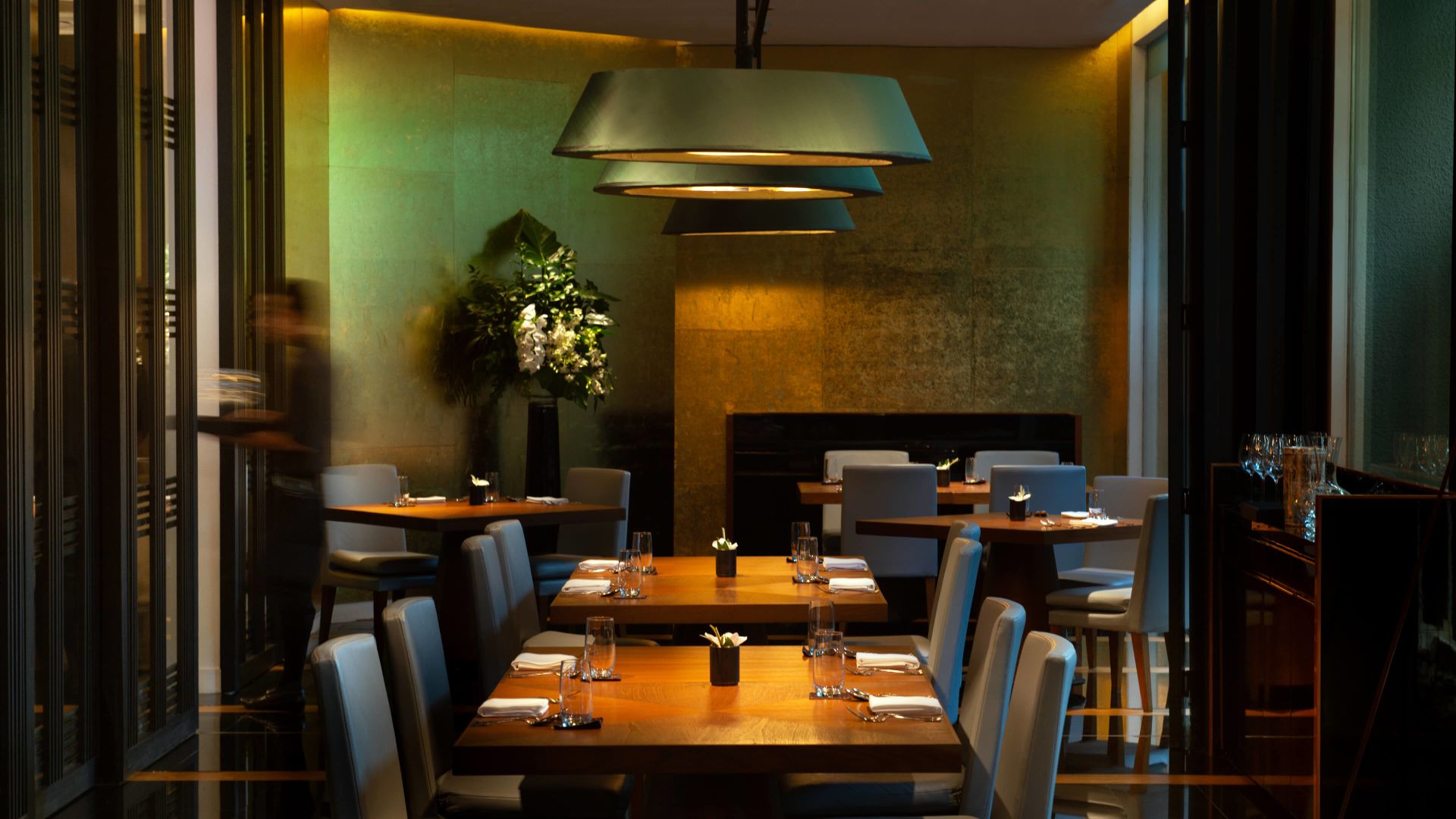
- Here, Pim Techamuanvivit, Executive Chef of Michelin-starred restaurant nahm at COMO Metropolitan Bangkok, breaks down what makes a dessert special, and how she’s using her menus to maintain a creative art form.
- Desserts hold significant cultural importance in Thai cuisine and traditions.
- Sculpted into intricate designs and vibrant colours, they’re traditionally served at important events such as Songkran (Thai New Year), or the annual Loy Krathong (Festival of Lights).
- They’re also whipped up for wedding ceremonies, important guests, and as religious offerings.
- Individual family recipes are a point of pride, closely guarded through generations and representative of cooking techniques and flavour combinations learned over centuries.
- But the making of traditional Thai desserts is also a dying art.
- There are several reasons behind that decline, including the fact that while they might look simple, Thai desserts are actually very complex to make.
- They also require top-quality, fresh ingredients such as milled rice flour and coconut milk.
- The time and effort that it takes to create each dessert is extraordinary — and often undervalued.
What this means for readers
The Art of the Thai Dessert helps readers understand the topic in context, identify the most important points, and decide whether the subject deserves deeper research.
Frequently asked questions
What is The Art of the Thai Dessert about?
The Art of the Thai Dessert is based on source material acquired by 4ME TRAVEL and rewritten into a structured editorial format for discovery, context, and traceability.
Why is this topic relevant?
The topic is relevant because it contains practical travel context, destination signals, consumer-interest signals, or planning information that can support editorial discovery.
Does 4ME TRAVEL sell these options directly?
4ME TRAVEL provides editorial discovery and may connect readers with relevant partner offers. Final booking, payment, availability, and service conditions are handled by the selected provider.
Conclusion
The Art of the Thai Dessert provides source-based editorial context for readers who want a quick, structured understanding of the topic before continuing their research.


More in Hotel



More in Travel