




Bhutan’s Mysterious Yeti: Fact or Folklore?
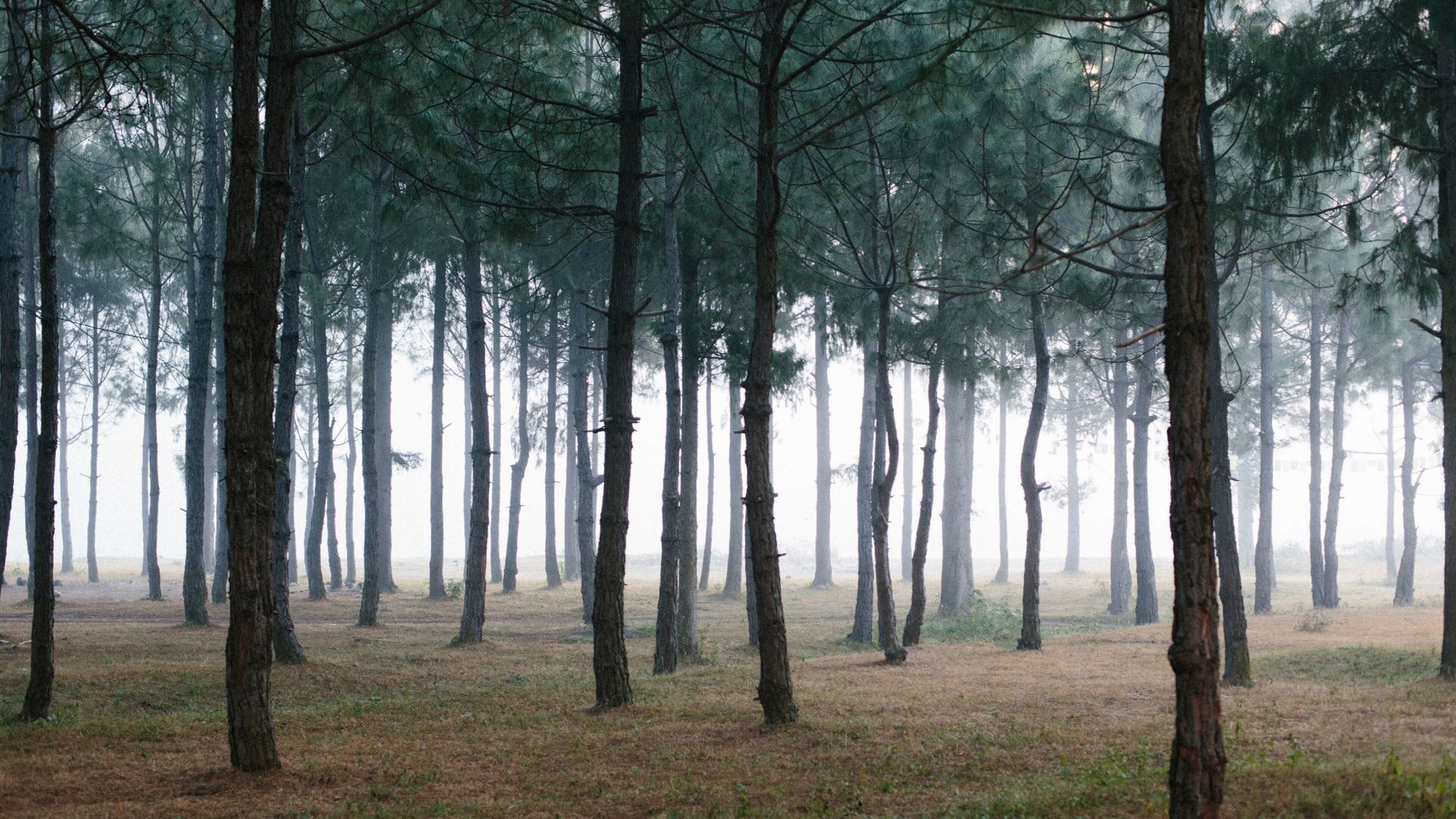
The yeti is a hairy, ape-like creature, said to live in the remote forests of the Himalayas. Its presence is strong in Nepalese and Tibetan mythology, but nowhere is its existence so fiercely believed as in Bhutan. In the country’s east, there’s even a 750km² conservation area — the Sakteng Wildlife Sanctuary — dedicated to protection of the yetis. Since the early twentieth century, generations of explorers and scientists have tried to capture a yeti or prove their existence, without much in the way of results. Sometimes, a few strands of hair have been found and sent for analysis, but DNA sequencing has proved inconclusive.
The Legend of Bhutan’s Yeti overview
The yeti is a hairy, ape-like creature, said to live in the remote forests of the Himalayas. Its presence is strong in Nepalese and Tibetan mythology, but nowhere is its existence so fiercely believed as in Bhutan. In the country’s east, there’s even a 750km² conservation area — the Sakteng Wildlife Sanctuary — dedicated to protection of the yetis. Since the early twentieth century, generations of explorers and scientists have tried to capture a yeti or prove their existence, without much in the way of results. Sometimes, a few strands of hair have been found and sent for analysis, but DNA sequencing has proved inconclusive.
Important details from the source
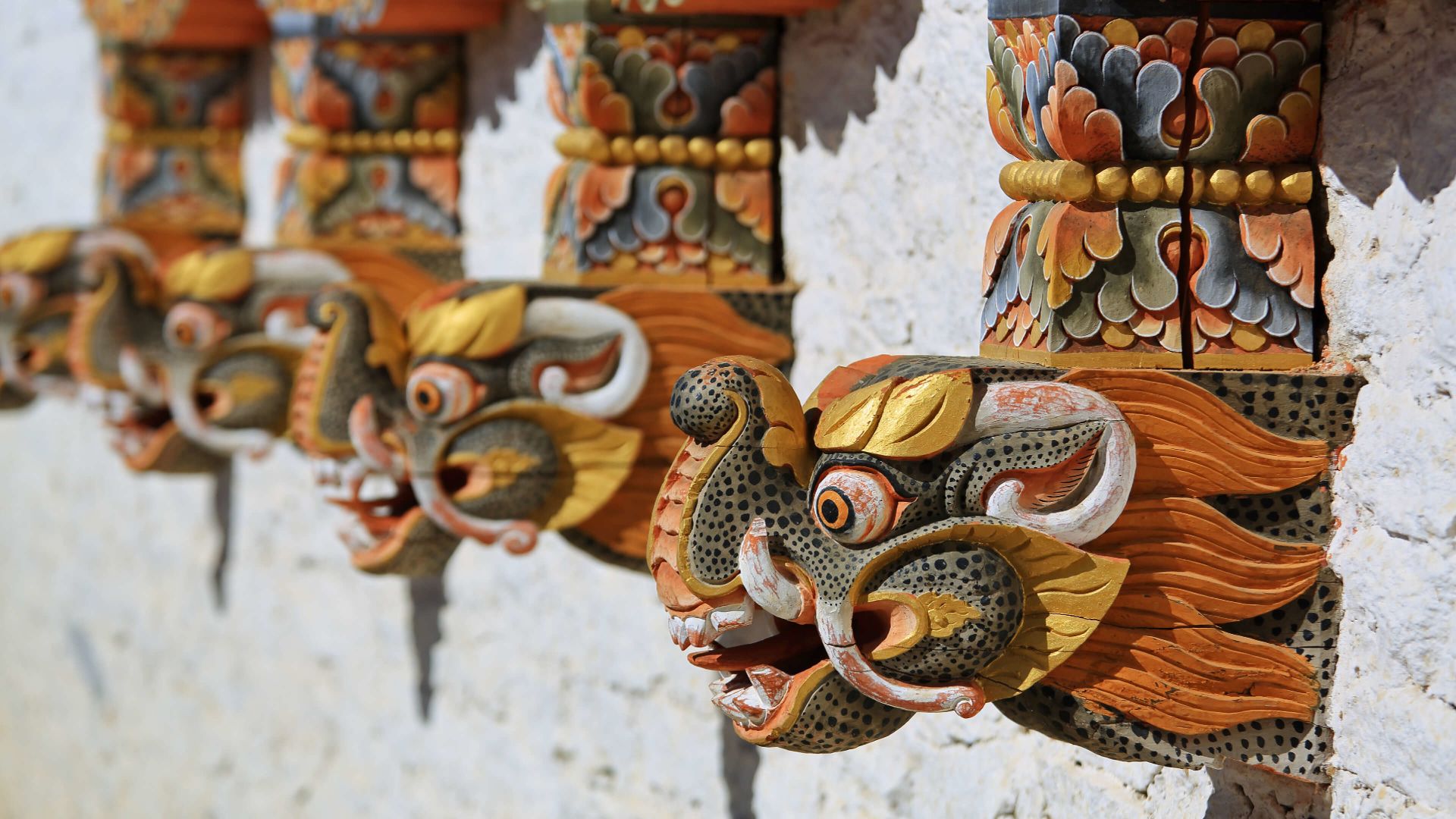
- It might be known as the Land of the Thunder Dragon, but Bhutan’s mythical associations don’t stop there.
- Bhutan’s fiercest guardian protector is neither the flying tiger of its Buddhist foundations, nor the dragon rumoured to cause the lightning storms that light up its valleys; it’s the yeti.
- The yeti is a hairy, ape-like creature, said to live in the remote forests of the Himalayas.
- Its presence is strong in Nepalese and Tibetan mythology, but nowhere is its existence so fiercely believed as in Bhutan.
- In the country’s east, there’s even a 750km² conservation area — the Sakteng Wildlife Sanctuary — dedicated to protection of the yetis.
- Since the early twentieth century, generations of explorers and scientists have tried to capture a yeti or prove their existence, without much in the way of results.
- Sometimes, a few strands of hair have been found and sent for analysis, but DNA sequencing has proved inconclusive.
- The problem is that the yeti or migoi — as it’s known locally — is an elusive being.
- While every Bhutanese person will have heard community folklore, or tales passed down through families, it’s rare to find a yeti for yourself.
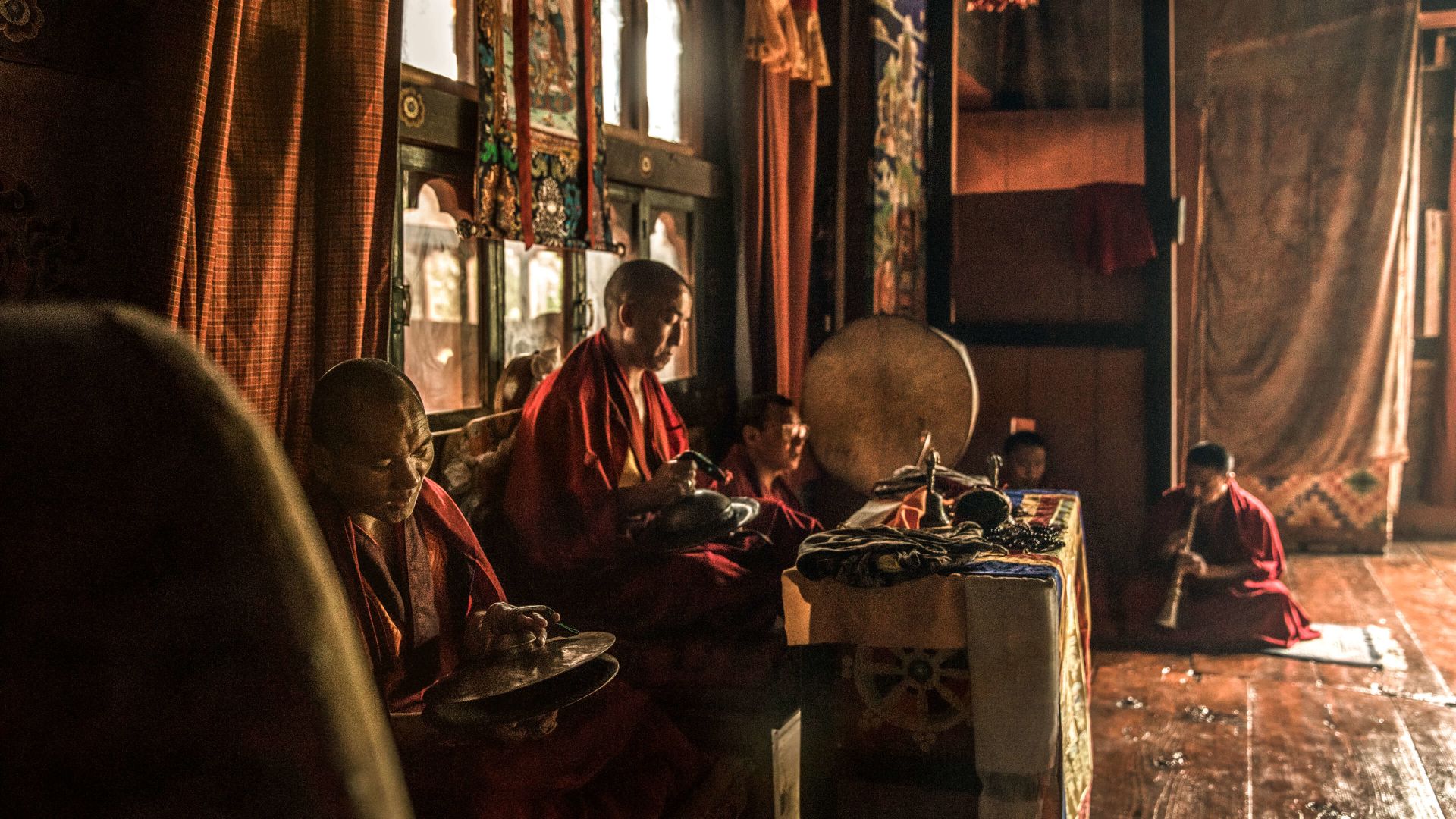
- But the Bhutanese don’t mind; their Buddhist religion is full of unseen forces that maintain harmony.
What this means for readers
The Legend of Bhutan’s Yeti helps readers understand the topic in context, identify the most important points, and decide whether the subject deserves deeper research.
Frequently asked questions
What is The Legend of Bhutan’s Yeti about?
The Legend of Bhutan’s Yeti is based on source material acquired by 4ME TRAVEL and rewritten into a structured editorial format for discovery, context, and traceability.
Why is this topic relevant?
The topic is relevant because it contains practical travel context, destination signals, consumer-interest signals, or planning information that can support editorial discovery.
Does 4ME TRAVEL sell these options directly?
4ME TRAVEL provides editorial discovery and may connect readers with relevant partner offers. Final booking, payment, availability, and service conditions are handled by the selected provider.
Conclusion
The Legend of Bhutan’s Yeti provides source-based editorial context for readers who want a quick, structured understanding of the topic before continuing their research.


More in Hotel



More in Travel