




Exploring Bhutan's Heart: A Traveler’s Insight
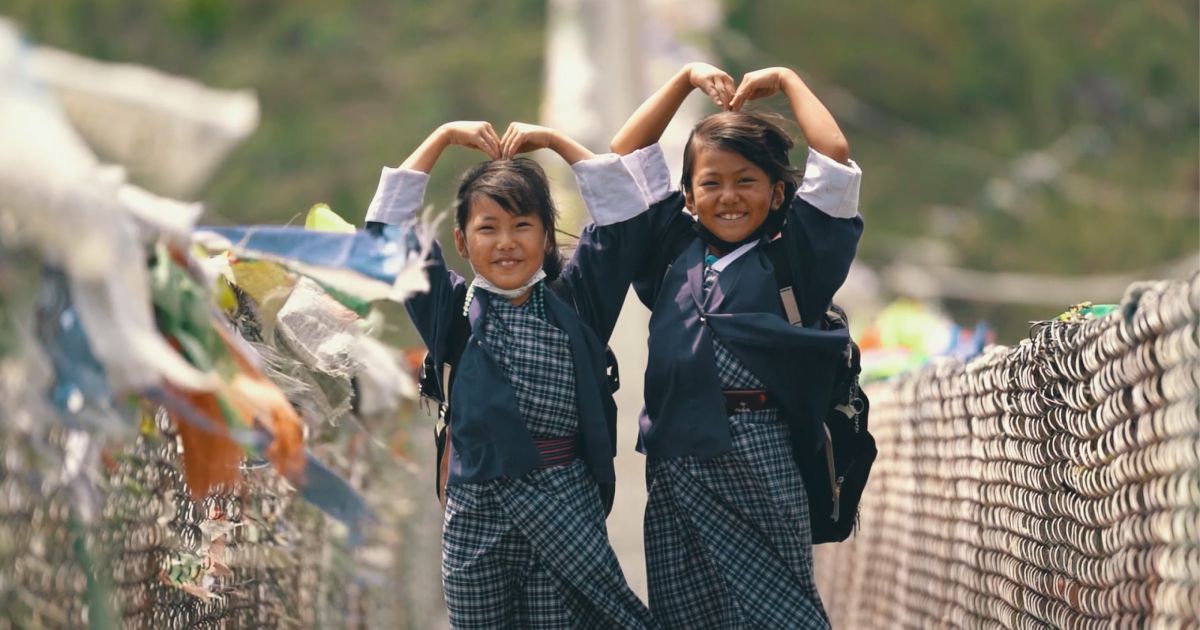
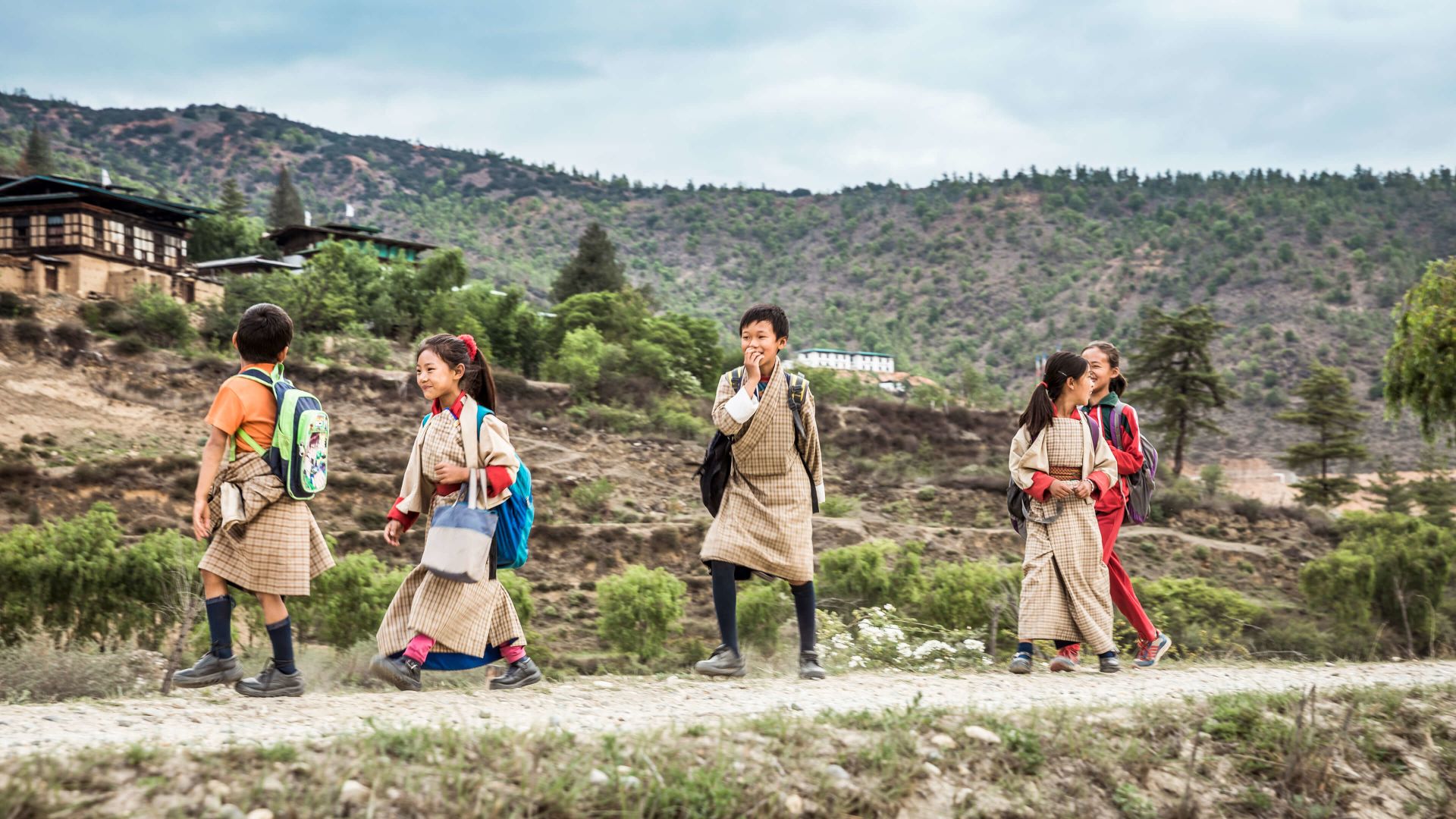
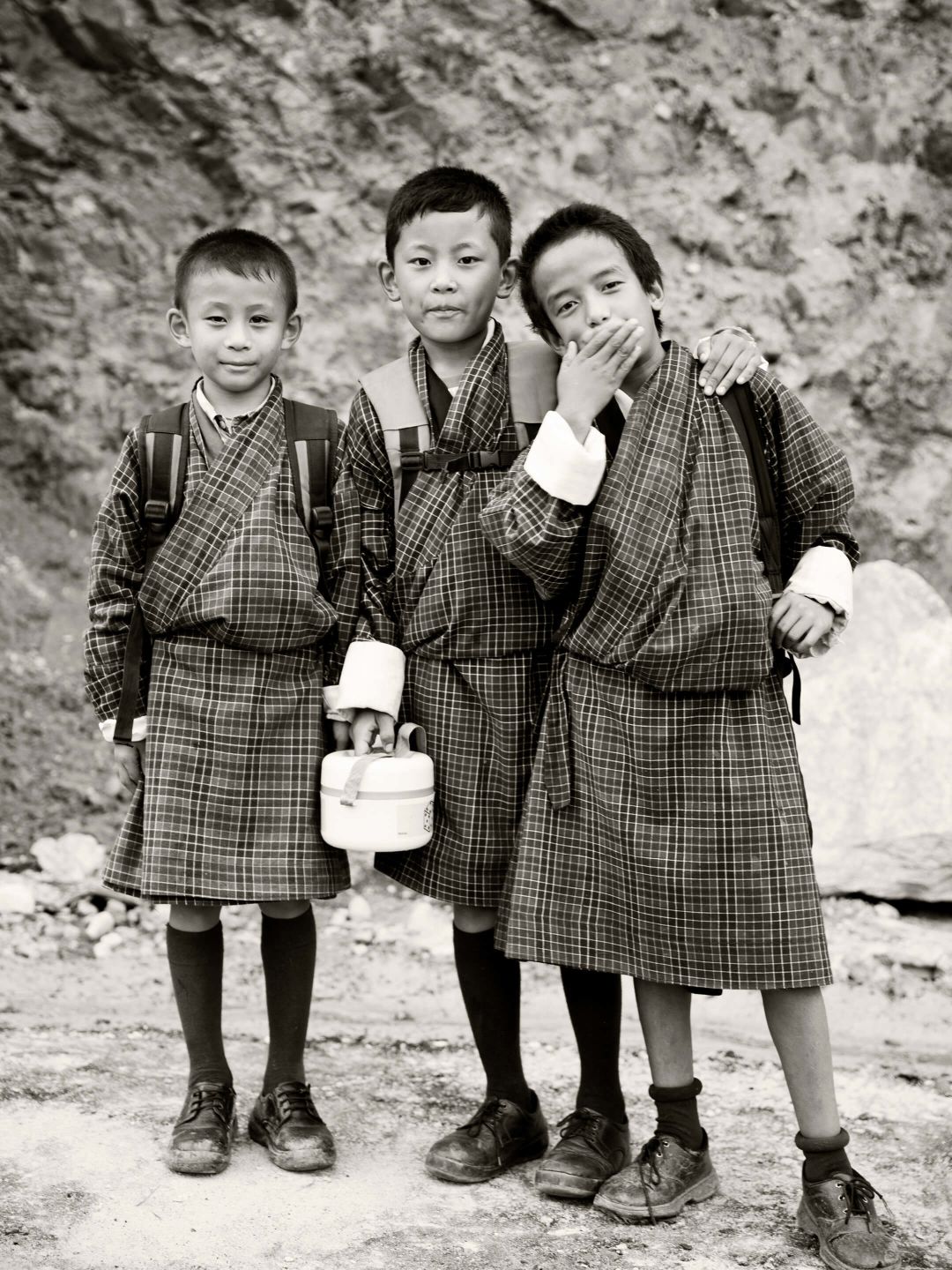
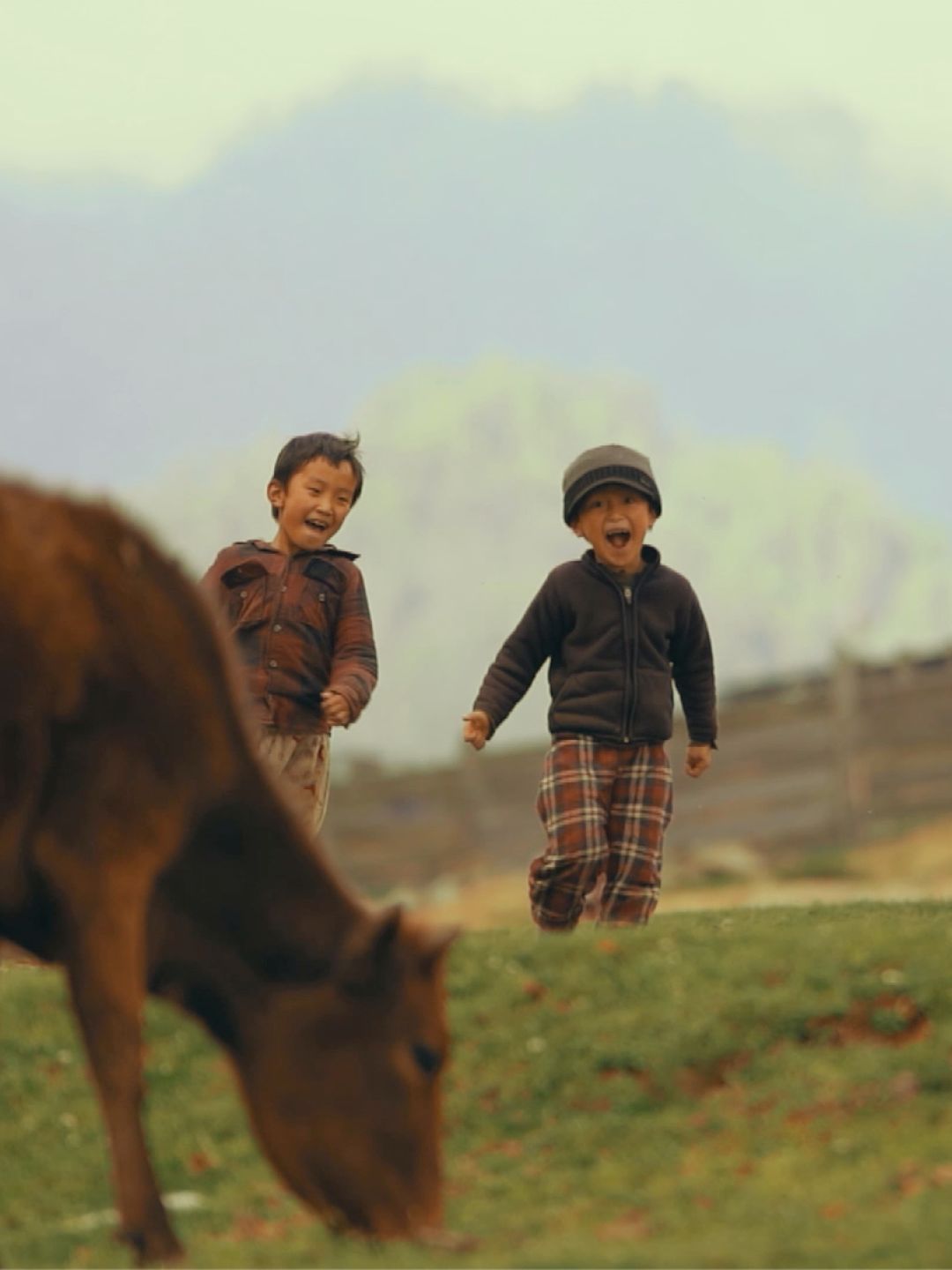
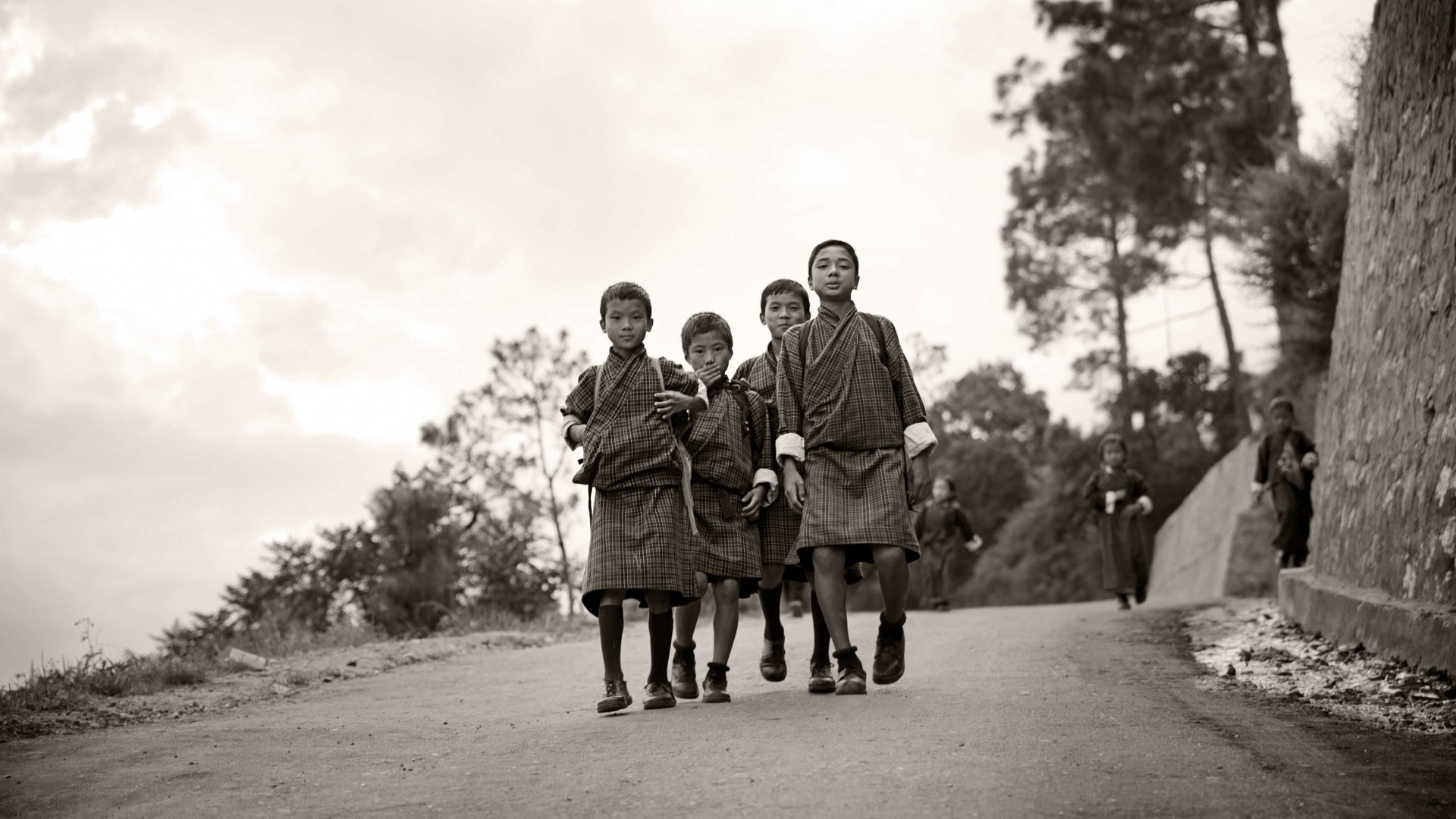
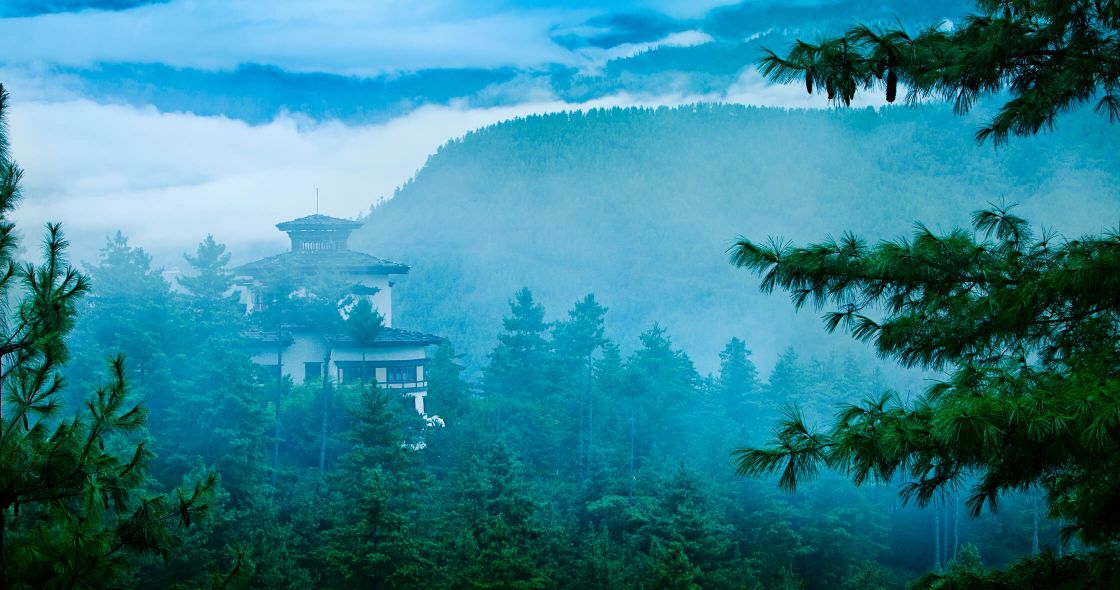
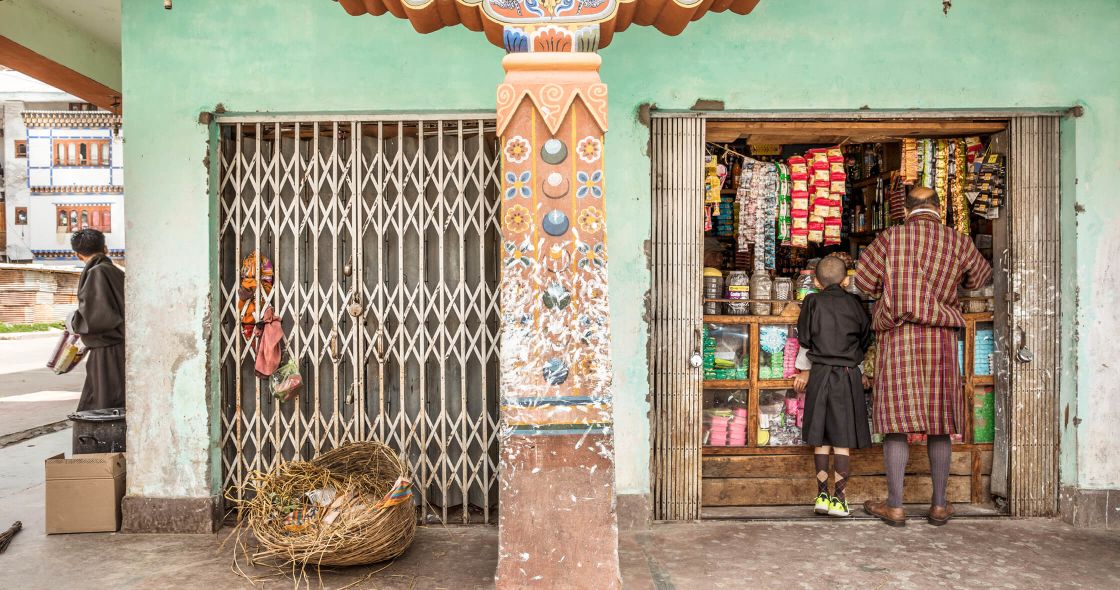
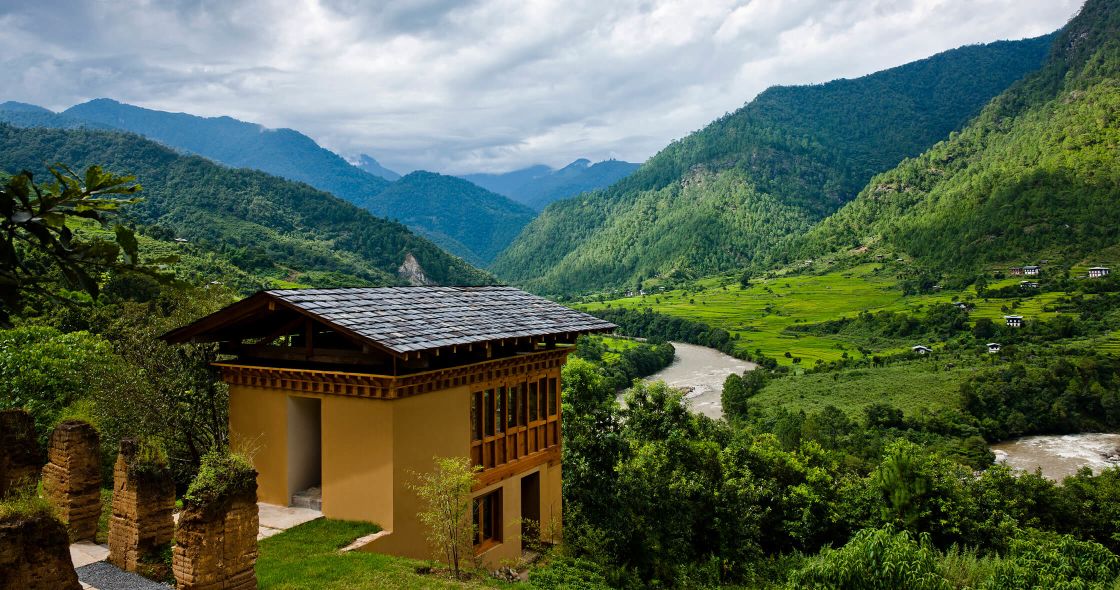
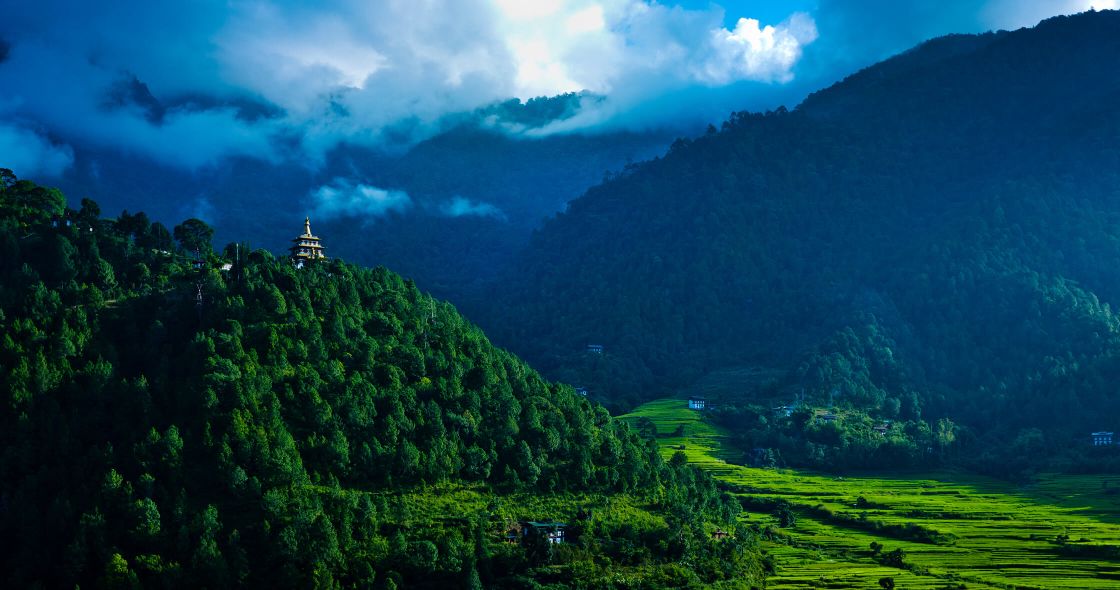
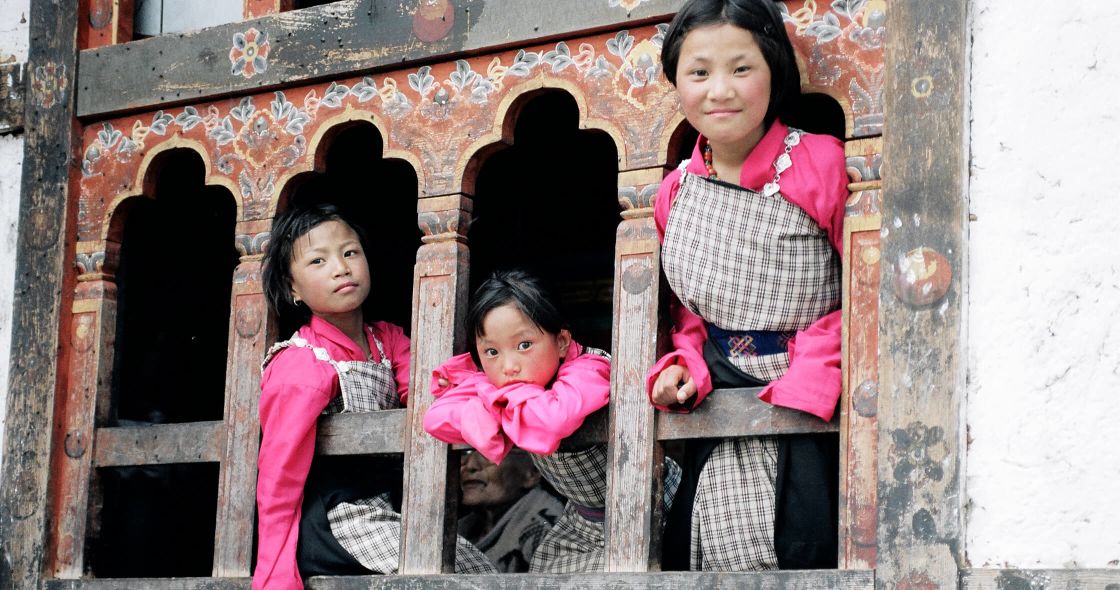
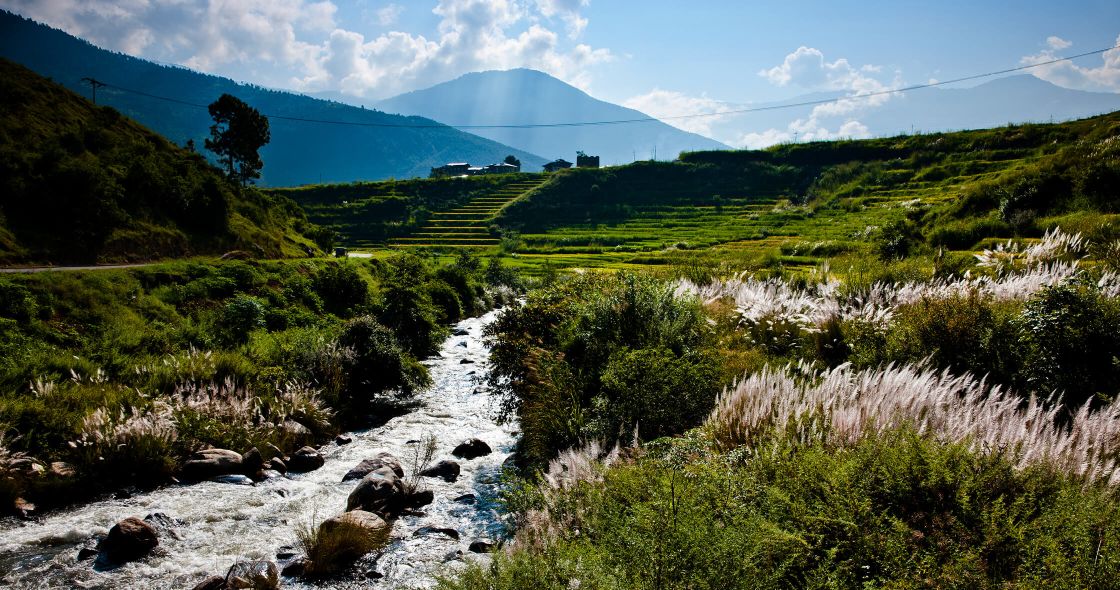
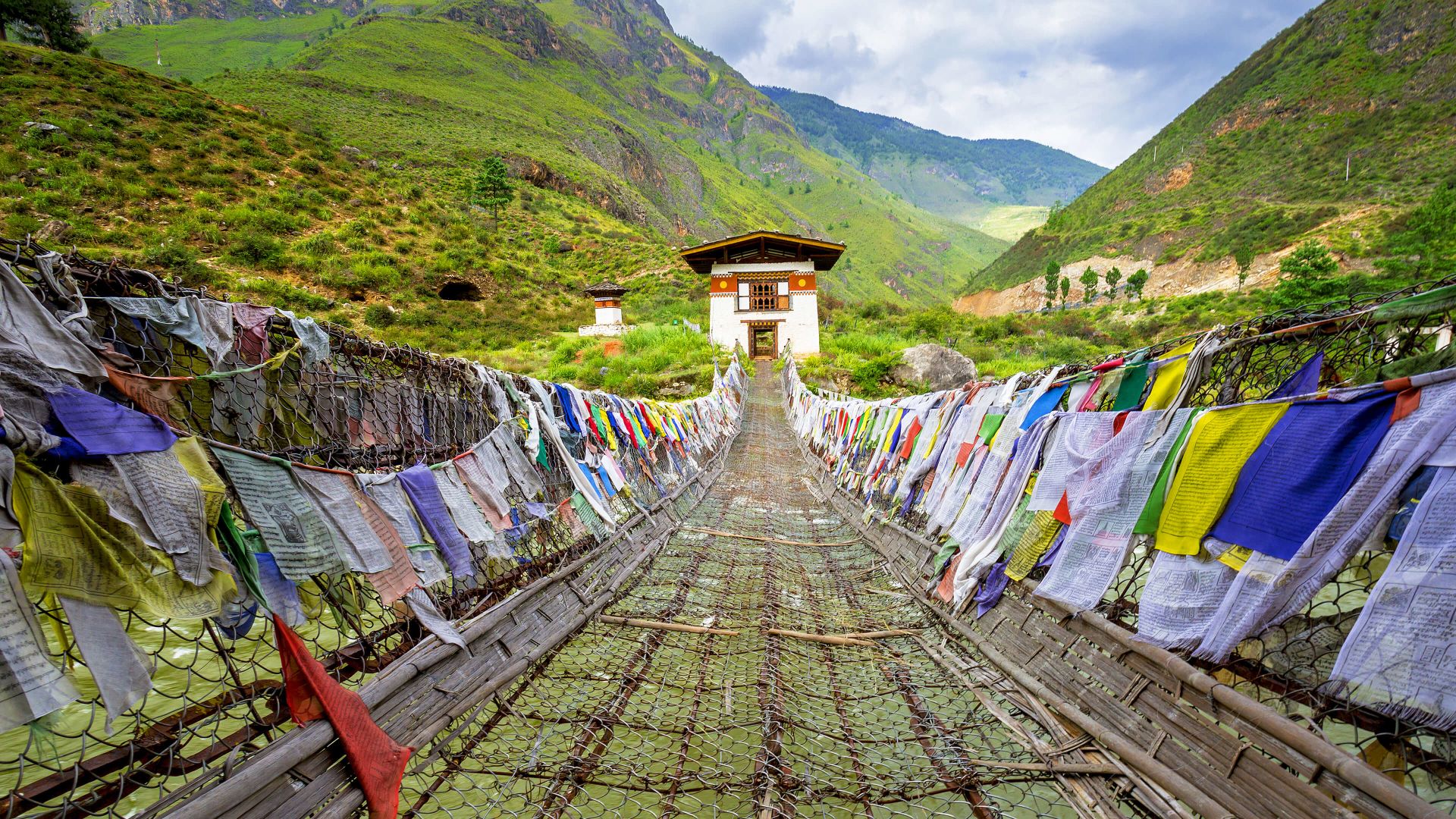
Early one morning during a recent stay at COMO Uma Punakha, I followed a neat crocodile line of smiling schoolchildren, who were picking their way over stream and rock, past the local shrine and on to the village school, high above the hotel. They were immaculate in traditional dress with combed and braided hair. I offered them a handful of sweets from my coat pocket, impressed by how they divided out the treats, shyly and fairly, amongst themselves, bending down to retrieve stray wrappers. We passed gaggles of older teens, members of the Desuung volunteer corps — on their way, they said, to repair the Trans-Bhutan Trail. This ancient trade and pilgrimage trail dates back to the 16th century and extends 403 km; west from Ha near the Chinese border to Trashigang in the east. Before the first and only tarmacked road was built in1960s, the Trans-Bhutan Trail was the nation’s life-blood. For centuries, messengers, or garps, delivered news and mail on foot, running through the mountainous route, across flood plains and gorges. A section of the route threads through the valley, close to where I was staying, hence the brigade of volunteers. Many of them had helped rebuild the trail in the Covid-19 lockdown, but now a minor landslide was impeding passage. Brief encounter and exchange although this was, it was enough to offer a seductive glimpse into a society whose Buddhist beliefs, and spiritually-powered, non-materialistic practices of compassion are woven into the fabric of daily life. It contributes to the sense of a cohesive community, where the young and old are united by a common outlook and purpose. It’s perhaps why travellers cannot help falling in love with the place.
Change From The Heart overview
Early one morning during a recent stay at COMO Uma Punakha, I followed a neat crocodile line of smiling schoolchildren, who were picking their way over stream and rock, past the local shrine and on to the village school, high above the hotel. They were immaculate in traditional dress with combed and braided hair. I offered them a handful of sweets from my coat pocket, impressed by how they divided out the treats, shyly and fairly, amongst themselves, bending down to retrieve stray wrappers. We passed gaggles of older teens, members of the Desuung volunteer corps — on their way, they said, to repair the Trans-Bhutan Trail. This ancient trade and pilgrimage trail dates back to the 16th century and extends 403 km; west from Ha near the Chinese border to Trashigang in the east. Before the first and only tarmacked road was built in1960s, the Trans-Bhutan Trail was the nation’s life-blood. For centuries, messengers, or garps, delivered news and mail on foot, running through the mountainous route, across flood plains and gorges. A section of the route threads through the valley, close to where I was staying, hence the brigade of volunteers. Many of them had helped rebuild the trail in the Covid-19 lockdown, but now a minor landslide was impeding passage. Brief encounter and exchange although this was, it was enough to offer a seductive glimpse into a society whose Buddhist beliefs, and spiritually-powered, non-materialistic practices of compassion are woven into the fabric of daily life. It contributes to the sense of a cohesive community, where the young and old are united by a common outlook and purpose. It’s perhaps why travellers cannot help falling in love with the place.
Important details from the source
- On a recent trip to Bhutan, journalist Catherine Fairweather gets beneath the surface of what makes a happy society – and talks to Daniel Cordaro, Founder of the Contentment Foundation, and Tshering Eudon, Director of their Bhutan operations.
- Early one morning during a recent stay at COMO Uma Punakha, I followed a neat crocodile line of smiling schoolchildren, who were picking their way over stream and rock, past the local shrine and on to the village school, high above the hotel.
- They were immaculate in traditional dress with combed and braided hair.
- I offered them a handful of sweets from my coat pocket, impressed by how they divided out the treats, shyly and fairly, amongst themselves, bending down to retrieve stray wrappers.
- We passed gaggles of older teens, members of the Desuung volunteer corps — on their way, they said, to repair the Trans-Bhutan Trail.
- This ancient trade and pilgrimage trail dates back to the 16th century and extends 403 km; west from Ha near the Chinese border to Trashigang in the east.
- Before the first and only tarmacked road was built in1960s, the Trans-Bhutan Trail was the nation’s life-blood.
- For centuries, messengers, or garps, delivered news and mail on foot, running through the mountainous route, across flood plains and gorges.
- A section of the route threads through the valley, close to where I was staying, hence the brigade of volunteers.
- Many of them had helped rebuild the trail in the Covid-19 lockdown, but now a minor landslide was impeding passage.
How to use this guide
Use this guide as a structured discovery starting point. Compare the listed options by travel style, season, location, time available, and practical booking needs before making a final decision.
Best for
- Readers comparing several destinations, places, or ideas in one topic.
- Travellers who want inspiration before narrowing down the final plan.
- Users who need a fast overview before checking detailed offers or local conditions.
Things to check before deciding
- Current prices, availability, opening times, and travel conditions.
- Seasonality, weather, local holidays, and peak demand periods.
- Distance from the main arrival point, accommodation area, or planned route.
- Whether the option matches the traveller’s budget, pace, and expectations.
Frequently asked questions
How should I use Change From The Heart?
Use it to compare options, identify the most relevant ideas, and decide which places or services need deeper research before booking.
Is this guide enough for final planning?
No. A guide is a planning layer. Final planning should include current prices, availability, travel dates, local conditions, and provider terms.
Does 4ME TRAVEL sell these options directly?
4ME TRAVEL provides editorial discovery and may connect readers with relevant partner offers. Final booking, payment, availability, and service conditions are handled by the selected provider.
Conclusion
Change From The Heart is useful as a comparison starting point. The safest approach is to shortlist the most relevant options, then verify current conditions and booking details before making a final choice.


More in Hotel

More in Travel